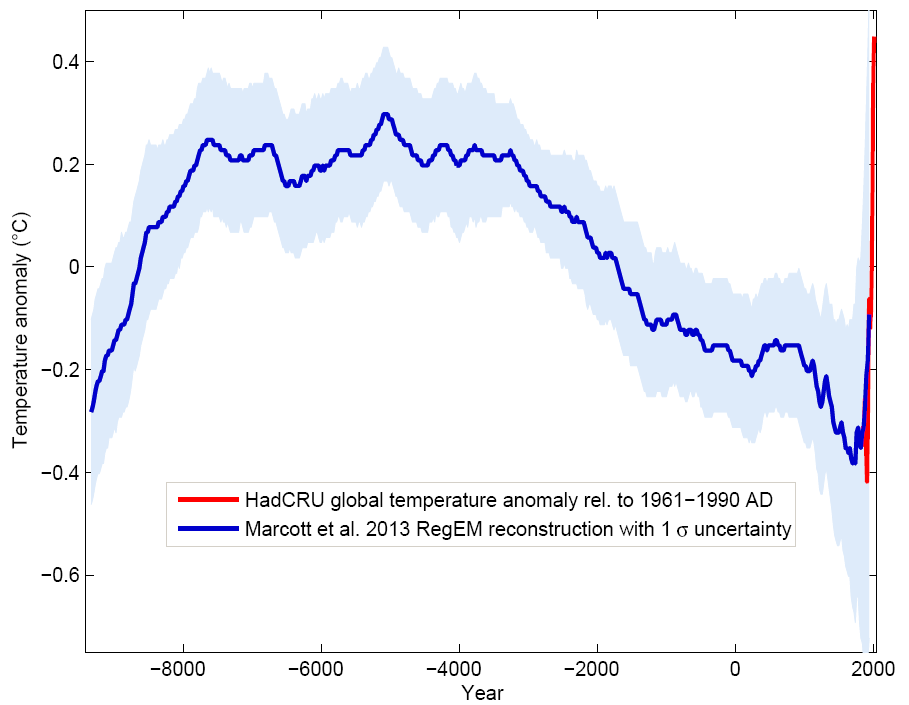
“It may seem impossible to imagine that a technologically advanced society could choose, in essence, to destroy itself, but that is what we are now in the process of doing.” ~ Elizabeth Kolbert
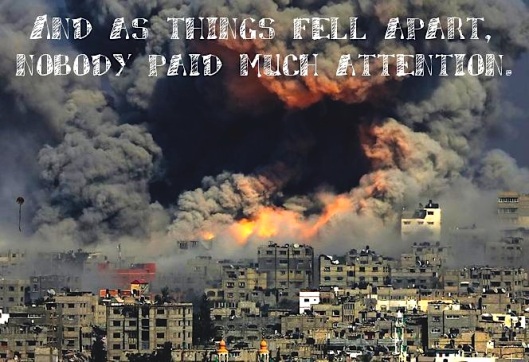
Have things improved since I wrote my last essay a year ago for this blog? Have we miraculously transformed our entire energy system into one that does not poison and degrade the natural world? Have we slowed the onslaught of plastic pollution choking the planet’s rivers, lakes, and oceans? Have we done anything meaningful to halt the deterioration of the planet’s biodiversity toward mass extinction? Has this global, hi-tech civilization done anything significant to avert its own demise? Despite a constant flow of warnings from the scientific community and even a letter signed by more than 20,000 scientists, the simple answer is no. We have failed to address the complexity of our rising population and a degrading environment. Yes, we are self-conscious and thus able to recognize the fact that we are destroying the only home we have, but will the end result differ much from a population overshoot of bacteria in a Petri dish? Dependent on a continuous stream of finite resources imported from across the globe, modern megacities contain the seeds of their own destruction and that of all other life forms upon which humanity depends for its survival. The exponential growth of modern civilization ensures that one of the next doubling times will produce an absolute increase in overshoot that tips the world into unavoidable collapse. Enough damage may well have already been done; we’re just waiting for inertia to catch up to the impacts.
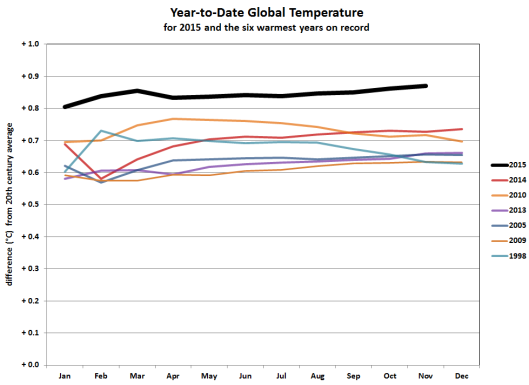
2017 set a global record for the most skyscrapers built in a single year and 2018 is predicted to eclipse it. The fossil fuel energy spent to construct those concrete and steel buildings translates into a melting cryosphere. Not to mention the fact that the carbon footprint of some of the world’s biggest cities is 60% bigger than previously estimated. “Renewable energy” still only comprises a tiny fraction of global energy consumption and plans for a total transition will take decades, if it’s even possible. Any growth in ‘renewable energy’ has been offset by increased consumption of fossil fuels in the developing world. 2017 marked a new record high in CO2 emissions with 2018 set to break that record. Global CO2 emissions have yet to peak, and the UN has warned that we are on course for a 3C world. It doesn’t help that the current U.S. administration plans to cut funding for alternative energy R&D, with the Energy Department expecting no drop in the U.S. carbon footprint through 2050. Having embedded itself in the U.S. government over a century ago, the fossil fuel industry has consistently worked to block climate change action and undermine environmental laws. A UK shipping executive recently admitted his industry is guilty of doing the same to protect their bottom line. The utilities companies knew the dangers as well. Like most corporations, the viability of their business model depends on perpetuating an unsustainable way of life. With warnings ignored since the late 1800s starting with the work of Svante Arrhenius, it should be obvious by now that intelligence without sapience has produced deadly results. A new study finds “the most accurate climate change models predict the most alarming consequences.” The recently released U.S. National Climate Assessment has similar findings:
While climate models incorporate important climate processes that can be well quantified, they do not include all of the processes that can contribute to feedbacks (Ch. 2), compound extreme events, and abrupt and/or irreversible changes. For this reason, future changes outside the range projected by climate models cannot be ruled out (very high confidence). Moreover, the systematic tendency of climate models to underestimate temperature change during warm paleoclimates suggests that climate models are more likely to underestimate than to overestimate the amount of long-term future change (medium confidence). (Ch. 15)
In a new ominous research finding, the evil twin of climate change(ocean acidification) is threatening the base of the marine food chain by disrupting the production of phytoplankton. This is yet another positive feedback loop increasing the rate of global warming. Climate feedback loops and ice sheet modeling are two weak areas of climate science, which means many unpleasant surprises. This is why researchers are constantly astonished. Adaptation is not a luxury most organisms have at the present rates of change. Techno-fixes are but a pipe dream.
A study published last year pulls no punches by describing the mass extermination of billions of animals in recent decades as a “biological annihilation.” Extinction risks for many species are vastly underestimated. Insects, the base of the terrestrial food chain, are faring no better. With the steep loss of invertebrates, multiple studies indicate the world is “on course for an ecological Armageddon”. Trees are dying at an unprecedented rate from extreme weather events, portending profound effects to Earth’s carbon cycle. Coral bleaching events are now happening four times more frequently than a few decades ago. Dr Charlie Veron, a renowned scientist specializing in corals and reefs, said this last year:
“Half of all coral colonies on the Great Barrier Reef died over the past two years due to coral bleaching,’’ Dr Veron said.
“It’s going to be a horrible world. Young people now are going to curse the present generation for what we’ve done. We’ll have left them a planet in dire straits.’’
“Between a quarter and a third of all marine species have part of their life cycle in a coral reef. Taking away the reefs precipitates ecological collapse of the oceans. It’s happened twice in the past due to volcanoes releasing carbon dioxide and lava flows, but that was nothing like the amount of carbon dioxide being released now.’’
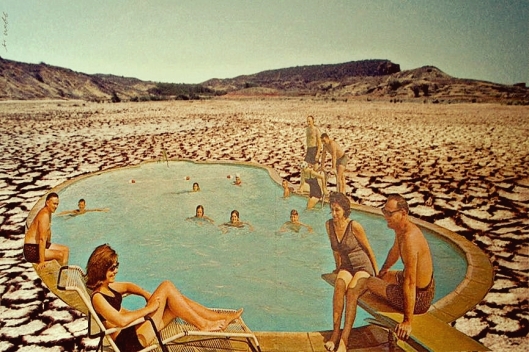
No one thought that ecosystems such as The Great Barrier Reef would be circling the drain this soon. How these changes are affecting flora and fauna as well as human societies is critical, but it’s like trying to predict the outcome of a high speed car crash as it’s happening. Hindsight is 20/20, but it only serves a purpose if you are still around to learn from it. Abrupt climate change is happening now and we’re not prepared for it. Fighting to protect the very life support system we all share, environmentalists are under attack worldwide and being murdered in record numbers. The problem of poaching is so bad that scientists are advising people to scrub all GPS data from their nature photos before publication to help protect endangered species from being ransacked. The voracious consumption and defilement of the planet continues unabated, despite clear signs the once-stable biosphere that enabled the establishment of human civilizations is quickly unraveling(Puerto Rico, Houston, never-ending wildfire seasons, melting Arctic and Antarctic sea ice, widespread glacial retreat, shrinking lakes, and many other signs of a destabilized climate). The following picture taken in Oregon last summer illustrates my point; seemingly oblivious to the massive wildfires raging in the background, a group of golfers continues playing a round…“We’re trading a habitable climate for a few generations of easy living.”
Climate change is just one of many factors in mankind’s planetary overshoot. We even have a day designated in recognition of our oversized ecological footprint which comes earlier every year, with nary a mention of it in official economic reports. As Herman Daly has explained, the global economic system treats the earth as a business in liquidation. The destruction of the natural world is enshrined in our positive economic indicators, i.e. rising GDP. And if need be, those numbers will be massaged to meet expectations. On a subconscious level, the growth imperative applies to all species including humans:
Humans share two behavioral traits with all other species that are critically important to (un)sustainability. Numerous experiments show that unless or until constrained by negative feedback (e.g., disease, starvation, self-pollution) the populations of all species:
• Expand to occupy all accessible habitats.
• Use all available resources.
Like mindless bacteria bent on their own success, humans are victims of their own DNA and ingenuity. Any civilization that develops energy harvesting technologies allowing for rapid population growth will generate entropy which will in turn almost certainly have strong feedback effects on the planet’s habitability. Our exponentially growing economy is on a collision course with an immovable ecosphere.
The end of the world is coming for the naked ape, not by a cabal of bankers or any sort of cockamamie conspiracy tale like chemtrails, but by us –the entire human race– and the economic system we have developed. We’ve become hostages to the complex structures and ever more intricate specialization of an economic system designed to exploit diminishing resources. Pollution and waste are of little concern for capitalism until they become a significant drain on overall profitability and new frontiers to exploit are exhausted. When profitability on a global scale is finally threatened by climate change, it will be far too late. The response will be militarized and authoritarian.
On a more insidious note, capitalism is driven by a deep instinctive drive to accumulate which was a very survival-positive compulsion during our several million years of evolving into Homo sapiens to overcome dry periods and other threats. Capitalism hits on this genetic proclivity, and when we get a clear opportunity to grab a big time accumulation, get rich and all, social good be damned. Our big and powerful cerebral cortex is hard-pressed to find a cure.
“I am rather pessimistic. The maladaptive assumptions of prevailing cultures are deeply ingrained. The notion that economic growth must take precedence over all other considerations and general ignorance of biological and ecological realities do not augur well for the future.” ~ Professor Stephen Boyden, human ecologist
In Collapse: How Societies Choose to Fail or Succeed, Jared Diamond found that a common factor was the myopic and self-serving decision-making of elites who believed they could insulate themselves from the consequences of societal disasters. As the elites reaped the rewards, the resulting damage to everyone else built up over time until calamity struck. The grim reality is that history has proven such cycles of extreme wealth inequality have only been broken by catastrophes –plagues, revolutions, massive wars, and collapsed states. The U.S. has now reached a degree of wealth disparity unequaled in history:
Overall, the highest-ever historical Gini the researchers found was that of the ancient Old World (think Patrician Rome), which got a score of .59. While the degrees of inequality experienced by historical societies are quite high, the researchers note, they’re nowhere near as high as the Gini scores we’re seeing now…”it is safe to say that the degree of wealth inequality experienced by many households today is considerably higher than has been the norm over the last ten millennia,” the researchers write in their paper.
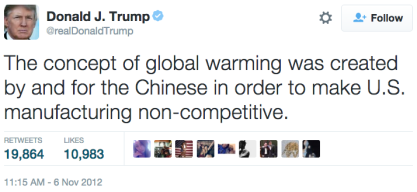
The crisis of civilization is planet-wide this time. We’ve turned a utopian world of plenty into a dystopian world of fascist-leaning governments, industrial disasters, collapsing ecosystems, and technological addiction. We have a Commander in Chief who tweets bizarre debunked conspiracies at 3 am, gets his intel briefings from right-wing TV shows, dismantles any remaining hindrances to unbridled capitalism, and doesn’t know the difference between weather and climate. Public discourse has been dumbed down to the level of Fox news talking points and tribal groupthink. Those who can discern actual ‘fake news’ from scientific fact are left to watch in horror as mainstream scientific projections continue to prove overly optimistic. Not only are regulations being cut left and right, they are not being enforced. Government science advisors are being purged and replaced with mouthpieces for industrial polluters. In fact, this administration is actively working to delegitimize and destroy government institutions. A sizable population of low information voters supports such actions, but it’s only to their own detriment. Although both major parties are under the sway of corporate power, Trump and company represent an exceptionally predatory class of people. The Union of Concerned Scientists is monitoring the current administration’s war on science and public health; their latest report is here:
The administration’s one-year record shows an unprecedented level of stalled and disbanded scientific advisory committees, cancelled meetings, and dismissed experts. The consequences for the health and safety of millions of Americans could be profound.
We live in an age of unparalleled technological advancement, while at the same time we turn a blind eye to the disintegrating natural world that gave birth to us, having forgotten that our destiny lies in our relationship with the earth. Like Icarus who, in his exuberance, ignored his father’s warnings and flew too close to the sun, modern man with his technology has ascended to great heights without heeding sound advice.
“We’ve arranged a civilization in which most crucial elements profoundly depend on science and technology. We have also arranged things so that almost no one understands science and technology. This is a prescription for disaster.” ~ Carl Sagan
The dank and musty allure of 19th century opium dens beckoned to those weak of will and lustful for escape. An opioid fuel of sorts, nature’s stock for an addiction that consumed its adherents in exchange for a state of nonchalant bliss, a temporary reprieve from the thousand paper cuts of life.
Experienced practioners knew to employ the buddy system, in advance soliciting a disinterested friend to come collect the user after 12 hours or so, sternly instructed to ignore any pleas to the contrary, and to extract the user from the den and the throes of opioid delirium, forcibly if necessary. Failure to do so might mean the will for a voluntary exit could well evaporate after a few days, and any exit might be feet first in a pine box.
An early example of the addictive effects of nature’s stock upon humans.
Amid much fanfare and production, the scientists of our society engage us in cultural clashes where arguments pertaining to climate change rage on, point and counterpoint, endless minutiae and technical details debated and argued. Advocates and denialists in full combat, in a battle of data against superstition that has lasted the ages and will never resolve.
Exactly as the instigators intended.
What is missing from these credentialed technical arguments are more basic questions, such as Why? Or How?
Why did our culture take up an addiction to fossil fuels, and How did this happen?
Human ecology professor, Andreas Malm has taken to addressing these two overarching questions in his book “Fossil Capital” which I shall review here.
“Fossil Capital” deviates from the typical climate change discussion as he strives to understand the onset and dependency of fossil fuels from a Marxist perspective. I must admit I was somewhat skeptical, orthodox Marxism is notoriously lax in addressing the largest threat to our planet, seemingly content to lather about in worker exploitation and revolts that never seem to happen.
However, the author reminds us that the core construct of Marx’s magnum opus is based on the philosophy of social relations, if anything, Capital shows us the dialectic relationship between capital, the political economy, and society at large. It shows us how capitalist property relations impacts workers, and how workers impact capital, leading ultimately to Malm’s staggering conclusion- that our addiction to fossil fuels, the resulting present day climate impact, and the onset and general adoption of fossil fuels was not due to technology, not due to scarcity of existing organic resources, and importantly, not due to intrinsic and supposedly dormant human tendencies to plunder the planet.
With academic rigor, Andreas Malm answers the Why and How, as he traces the onset of fossil fuels into general usage, and in so doing discovers that a very small group of men in a very small part of the world, belonging to an even smaller class of participants, are wholly, totally, and irrefutably responsible.
Malm finds that those responsible belong to the Capitalist class of 19th century England.
He explains this by animating Marx’s discoveries of property relations and the laws of motion of Capitalist production. He takes the dry, tedious text of Marx and shows how it fits chapter and verse with the 19th century ascension of the Industrial Revolution.
Fortunately for Malm, 19th century England is one of the most thoroughly documented periods and he find much empirical support for his thesis. The records are quite clear, voluminous data is available for parsing and analysis and he takes full advantage to make his case.
“Fossil Capital” starts with a debunking of the two prevailing mainstream theories as to how we evolved into a fossil fuel economy. The first, the so-called “Elizabethan leap” contains the more common bourgeoisie understanding of how 16th Europe migrated from burning wood for heat and cooking, to the use of coal. The superficial explanation is that wood was a declining resource experiencing scarcity in England and Continental Europe, and the migration to coal was an entirely natural progression to a more dense and efficient energy source.
There are a couple of problems with this, not the least of which is that coal did not make any significant inroads into energy consumption (in England anyway) until the late 18th century, so there is the small matter of a 200 year discrepancy.
But Malm considers even this to be a red herring, he suggests that the use of either wood or coal for heating and cooking purposes (the dominant uses in this time period) is really not a very interesting story, in his words this is a “proto-fossil fuel” economy, the real story begins when these fuels are used for purposes other than cooking and heating.
As all of this late 18th century stuff was taking place in England, to supplement the superficial, the theories of Ricardo, Malthus, and our dear friend Adam Smith all get roped into contributing to this explanation. Ricardo, as he posits that the available land for photosynthesis (the main vehicle for organic fuel production) is insufficient to support an exponential expansion of energy in the soon to occur industrial revolution. Malthus, with his converging and exponential population growth, needs to preserve at least some arable land for food instead of fuel production, and of course, Smith for his division of labor theories.
The author calls this first explanation the “Ricardo-Malthusian” theory, which seeks to explain the evolutionary and entirely “necessary” conversion from wood to coal because of insufficient land mass, and a geometrically expanding population with arithmetically expanding food production. As the organic economy of pre-industrial England is in effect dependent on plants (photosynthesis) for energy production, these arguments might make some sense.
A review of the historical data reveals some troubling problems with the Ricardo-Malthusian explanation. First of all, the use of organic fuels such as wood for cooking and heating cannot explain the explosion of energy expansion in 19th century England. Between 1800 and 1870 the population of England grew by 160%, yet energy consumption grew by some 4,000%.
Next, these theories were applied after the fact, using a modern interpretation (within the last century) to explain what is now a self evident problem, but this is less than convincing as no one in 19th century Britain sat down with quill and ink and forecast the energy demands of the forthcoming industrial revolution, concluding that we must switch to a coal economy toute de suite.
Lastly, and perhaps most importantly, Malm finds no evidence of scarcity of either arable land for wood production, or of wood as a commodity as seen by market forces, e.g. there were no price spikes in this time period that would indicate a shortage, or of pending scarcity. Now there are plenty of papers and scholarly opinions that conclude that large scale shortages were present in this time period, but Malm disagrees.
Malm theorizes with some justification, that if there were resource limits to organic energy production (wood) in this time period there would be at least some price anomalies- he found none.
What then? What could be the cause for a several thousand percent increase in energy consumption- and a paradigm shift away from an organic energy economy to one wholly sustained by fossil fuels?
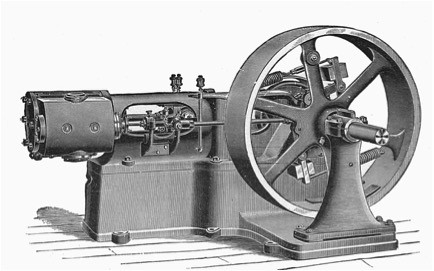
The genesis can be found in James Watt’s 1784 patent of the steam engine.
Knowledge of the nature of the phase change of water when boiled, and the resulting energy release had been known for centuries. What Watt had done with his steam engine patents was to harness this effect in a self contained boiler, converting steam pressure into smooth, rotative motion. This system converted the choppy, erratic motion of a steam piston into a spinning wheel, which could then be used to power other machines through belt drive connections.
Machines which would soon be called “means of production”.
With twice the BTU’s and half the volumetric density of wood, coal was the perfect fuel to propel the steam engine into mainstream use. In the period of 1800-1870, the vast majority of all coal burned was used to power steam engines, and the largest use of steam engines was in the production of cotton.
And here is where it gets really interesting.
In 19th century in Britain, the economy was all about the production of cotton. By 1870, cotton accounted for nearly 40% of the UK GDP. So cotton was a big deal, not just in sheer numbers, but in the rapid adoption of Capitalist modes of production in the industrial scale up of this commodity. In 1780, it took approximately 600 man hours to process a single bale of cotton, with the invention of the cotton gin (1793), this dropped to around 12 man hours per bale. Adding to the efficiencies, the spinning jenny (1764) and Richard Arkwright’s water frame (1768) which was designed to be powered by water flow- all represented an ushering in of a crude form of machine age- centered around cotton production.
Significantly, the main competitive fuel to coal in the early 19th century was water power. It wasn’t even close, by far water power was the first choice of any and all sources of rotative power. The reasons were simple and compelling- it did not cost anything to run. Water flow was free. Any fuel that burned, be it wood or coal, had a cost associated with it and factory owners did not want to pay when water was readily available and free for the taking.
Water was clean, reusable, quiet, and put forth no emissions. And it was cheap. So why then would anyone want to abandon this cheap and abundant energy source and switch to the dirtier, and far more expensive coal?
Well initially anyway, no one did. But as the production of cotton began to scale, and as Britain shed its mercantilist mode of production for Capitalist tendencies, issues of property and social relations began to rear their ugly heads.
Another consideration was that the use of water flow was by its very nature collective. No one owns the water, and if other mill owners shared the same water source for their own mills, which was common, there could be a conflict between users of the same resource.
So as Malm describes it, the problems began to originate from the spatial attributes of the water mills, they were by necessity located near water sources, which meant that they were generally not near urban centers, and generally located in rural or countryside locations. So it became difficult to attract and keep labor at these semi-remote locations. There was little external infrastructure, often no towns or support resources for life, however short it might be, outside of the factory mills. And retaining labor once so located was also difficult as they might just run off, converting to a ruthless and grueling factory pace of 16-18 hours days, 6 days a week was a difficult adjustment from an agrarian lifestyle which marked the previous way of life.
So the ascendant Industrial revolution began to experience labor strife, it was to become acute, perhaps more acute than any time in modern history, as large numbers of people migrated from agrarian lifestyles to a wage labor supported factory life- they did not make the change with open arms.
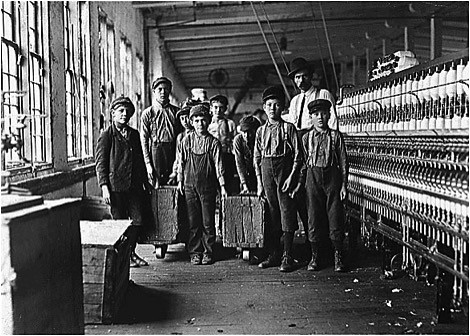
The mill owners quickly came up with a brilliant solution as the realties of Capitalist property relations began to settle in. It seemed that the local orphanages were full to brimming with abandoned and runaway children from all walks of life, and surely, the mill owners would be doing all a tremendous favor to “rescue” these misfits and delinquents from their stultifying existence, unshackling them for a vigorous and meditative visit to the British countryside, where they might partake in fresh air and healthy exercise.
For around 20 years.
Ever the social liberals, the headmasters of the orphanages insisted that room and board be offered to each child, and perhaps an hour per week of study so as to insure that some level of education be maintained.
Other than that, they were happy to see them go.
To support this newfound labor pool, the Capitalist mill owners often had to construct at their own expense a compound, buildings to house workers, eating halls, etc. in effect all the necessities of a labor camp.
There were still more problems. Not all workers were children of course- most were not. Some of the labor classifications, such as spinners were highly skilled and these in-demand workers began to demand high wages. If a group of spinners left a mill, they could cripple production and the prospects for replacement staff was not good- given the remote locales of the water mills. As the water mills became more widespread throughout Britain, child labor also grew. Soon, the moral prospect of working young orphans 16 hours a day began to wear on society as a whole, and a bitter struggle for reformed labor laws ensued lasting throughout most of the first half of the 19th century. A brief listing:
-The Cotton Mills and Factories Act of 1819. Limited employment to children age 9 or older, children aged 9-12 could not work more than 12 hours per day.
– The Cotton Mills Regulation Act 1825. Limited work hours to 10 hours on Sat, added a one hour lunch break. The mill owners were having problems with inconsistent water flow, so they needed “make up” time, e.g. extra hours during the day when workers could be forced to work longer to make up for poor flow or equipment failures. This Act accommodated these conditions by imposing limits as to how many hours could be worked and how late they could be enforced, typically no later than 11:00 PM.
– Labor in Cotton Mills Act of 1831. Extended the 12 hour day limit to anyone under 18, no night work allowed for minor children.
– Numerous legislation passed between 1831-1867 essentially limiting children, and ultimately most adults to no more than 10 hours a day of work.
One might wonder why it took 50-60 years to resolve which seems like a simple issue of social justice, using children for indentured labor. The answer is twofold, first, the capitalist class put enormous pressure on British parliament to refrain from interfering with any regulations that might impede production, the “compromise” was a highly publicized effort to address the children, as the lawmakers understood that the optics of defending this egregious practice was not going to stand, so they made much of these paltry reliefs specific to child labor. The other reason was that of male suffrage. Incredibly, throughout the 19th century, men without property ownership simply could not vote. This held until the early 20th century, indeed until the 1918 Representation of the People act, which removed the restriction of property ownership and allowed all men (and some women) the right to vote.
All of these acts and legislations were bitterly opposed by the Capitalist class- but none more vigorously than the provision allowing mill owners to work extra hours if the water flow fell off during a production day, or if equipment broke. This provision allowed the mill owner to enforce a labor effort not just by the clock, but to make sure that this labor product could be productively deployed when all the conditions of production were operational- which they often weren’t. So if you were signed up for a 12-16 hour day, and water flow dropped off midday so as to deny production, you had to stay at the mill and make the time up when the water flow returned.
A typical workday might be 16 hours. And in this workday we are reminded of Marx’s principle of abstract surplus value, which says that the workday is organized to first cover the cost to reproduce the worker, then additional hours are used to provide surplus value to the Capitalist. That’s how we get to 16 hour days. 10 hours in this example to reproduce (cover costs) and 6 hours for surplus.
But when forced by regulations to limit the workday to 10 hours, with limited ability for make up time, we have a big problem as now we have to ask where does the surplus value come from?
And the answer is that it comes from intensification of production, e.g. with speeding up the machinery. This now gives us relative surplus value, so named as the surplus is now recovered by extending backward into the workday, by working faster we can reproduce the workers cost in 8 hours and get the same surplus as before in 10 hours total.
But we have to run the machines and the people faster to achieve this result.
And as it turns out, it is pretty easy to speed up a steam engine, not so much for a water wheel. And in fact according to Malm, the sum of these attributes outlines the fundamental reason for the shift to fossil fuels- they were infinitely more tolerant to the demands of the Capitalist class than renewable resources, even though they cost more.
Steam engines could be placed conveniently next to coal mines, or to even greater advantage in the middle of population centers where there was not scarcity of labor. If a crew of experienced spinners up and quit, a replacement crew could be assembled without too much trouble. Also, population centers did not need the infrastructure build out for living quarters for example, that the water mills needed, it already existed.
And this is exactly what happened, despite the more attractive cost model of renewable energy resources, the labor relations outcome was disastrous for the water mill owners and the shift to coal powered steam engines proved unstoppable. By 1840, the battle between water power and coal was largely over, coal fueled steam engines had made significant headway into the sphere of production. This however, was no panacea, labor revolts and labor strikes grew to epic proportions, as capitalists tried to lower wages, with roving bands of strikers marauding through the cities destroying the hated steam engines as Capitalist property owners reduced wages to increase profits.
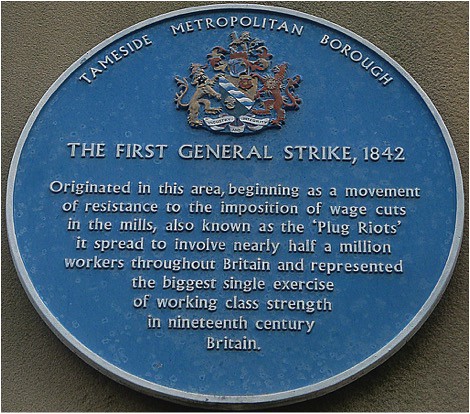
In 1842 one of the largest strikes ever was assembled, involving some 500,000 striking workers. They took to destroying steam engines, many by pulling the plugs on the pressure vessel rendering the engines useless. The phrase “pulling the plug” is still in common use today and stems from this calamitous riot in Britain.
Soon after, intentionally damaging steam engines became a crime punishable by death in Britain.
Interestingly, the word ‘Power’ in the English language has two meanings, one meaning, the noun, describes ‘…the capacity or ability to direct or influence the behavior of others or the course of events…’
The other usage is as a verb, “…..to supply (a device) with mechanical or electrical energy….’
In no other language does this word share this duality. This is instructive, as it became apparent that those that controlled the power, indeed had social power. We can still see evidence of this today in modern politics.
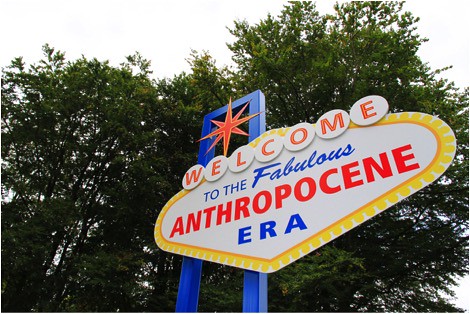
If Malm had been unkind to the Ricardo-Malthusian explanation for the onset of fossil fuels, he is not particularly generous to the more contemporary Anthropocene narrative. Malm’s objection with this movement is not necessarily to deny the labeling of this as an ecological epoch, rather, he takes issue with the notion that somehow man was intrinsically and irreversibly responsible as a species for the onset of fossil fuel usage and the resulting climate change.
He argues that early man’s mastery of fire does not necessarily implicate humans as destined to destroy the planet, he makes the rather succinct point that ownership of steam engines, and the resulting adoption of coal to feed these engines, was specific to a very small class of people, namely, wealthy white guys involved in the Capitalist mode of production. An average wage laborer did not own a steam engine in the 19th Century, why would she? The Capitalist class acted directly to divert an organic economy that was already successful and underway with renewable hydro power to an economy that relied on fossil fuels, specifically to avoid the untenable social relations present in using a collective energy resource like water power. The Capitalist must own not just the means of production, but the fuel sources as well.
Beyond this Malm ventures into some truly interesting commentary, he discusses in some detail the need for constant exponential expansion intrinsic to Capitalism, and makes a most interesting observation about this expansion from the perspective of fossil fuels.
To do this, he discusses the time honored theory of the tendency of the rate of profit to fall, which is the primary failure mechanism of Capitalism in orthodox Marxism. The rate of profit tends to fall, as the organic composition of constant capital to variable capital changes. In plain English, this means that as machines and automation replace people, the profits left for the Capitalist decline. This is because if labor is the source of all value, as labor content declines, so does surplus value.
But this “tendency” is not a hard and fast rule, there are ways that this “tendency” can be mitigated, indeed, the Capitalism of today goes to great pains to deflect these tendencies- largely through State interventions. However, we do know that as more machines are created to replace or accelerate human labor, more fossil fuels will be used to power them- just as it did in 19th century Britain.
Malm suggests that this energy consumption component of value production is a hard and fast rule- not a tendency, and that as the composition of constant Capital increases, the consumption of fossil fuels must also increase- exponentially. He expresses this as an increased carbon content per unit of production. This would suggest a death spiral related to fossil fuel use, unstoppable and with no known restraint under the laws of motion of a Capitalist economy.
To the notion that man as a species is intrinsically responsible and destined to destroy the planet, his view is that if we all are responsible, then no one is responsible. By this he suggests that if all are guilty, then no one can be deposed or held accountable.
And this narrative is starting to sound vaguely familiar, yes, blame the working class and the poor for societies woes, and for good measure be sure to inflict the greatest amount of retribution and payback amongst those least responsible.
This is a time honored strategy unique to class structure. A secondary outcome is the blaming of workers for global warming through consumption.
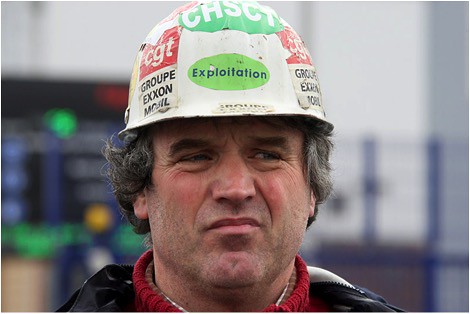
Malm makes a solid case using historical reconstruction and a Marxist framework to unveil the unity between energy and exploitation. He suggests that the need for exploitation within the Capitalist mode of production is largely the driver towards unfettered fossil fuel consumption. Another thrust, which he is covering in a new book, is the notion that the nexus to petroleum energy was in direct response to the crippling coal miner’s strikes.
So it is not surprising then that we see similar characteristics in our current bourgeoisie government in the persona of Trump. We see the ascension of energy moguls to the levers of power for exactly the same reasons, with exactly the same objectives that were there in 19th century Britain.
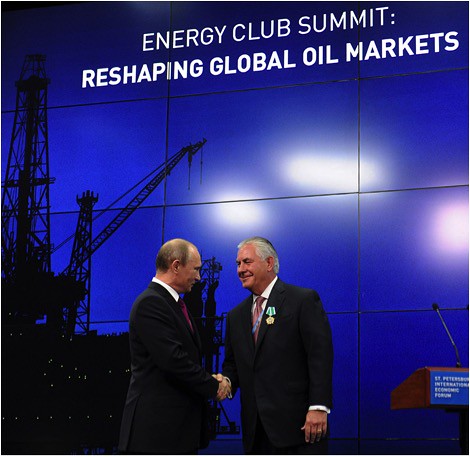
The current era Capitalist class is deeply concerned with the declining rate of profit, despite the mitigating influence of neo-liberal expansion. They reflexively return to tried and true restorative strategies, central to this is an expansion of fossil fuel production and simultaneous relaxation of regulations- of which we see abundant evidence that this is underway.
If there is an area of weakness in Malm’s work, it is in his explanation of why man is not acting in his own best interests. While I find his rejection of the culpability of man as a species gratifying, it is hard to connect the dots between the Plug Riots of 1842 and a similar modern day Black Friday mob descending like locusts on a Wal Mart sale. There really is no coherent explanation offered to connect the dots between these disparate behaviors, and it really is one of the more important questions of our time.
Perhaps a narrative that revolves around addiction, and its close companion denial is more appropriate.
Overall in his wrap up to include modern times, Malm is not hopeful for any relief from the fossil fuel madness or any meaningful redress to climate change. He points out that sunk capital costs in coal fired plants, refineries, and other capital intensive investments are unlikely to be unwound until they are fully amortized. Once paid for, there is little motivation to sunset them as after all, they are paid up and can then contribute to supra-profits. The modern day Capitalist class does not make these kind of massive investments without a priori policy assurances from the State- which they actively seek and receive.
In the end Malm accomplishes a great deal with his book, the approach of leaving aside pure science and using tools of sociology to examine causality is very effective. It will be interesting to see where he takes this thread in his upcoming book, continuing with a similar framework around petroleum fuels.
It is more likely that we will find coal a source of sunlight, than sunlight a competitor of coal.
“The point of modern propaganda isn’t only to misinform or push an agenda. It is to exhaust your critical thinking, to annihilate truth.” – Gary Kasparov
With each passing day, the mental stability of our narcissistic, megalomaniacal president is increasingly being called into question by those unnerved from his erratic behavior. The unhinged press conferences, comically embarrassing meetings with world leaders, and uncensored tweets reveal just how illiterate, delusional, and divisive America’s first reality TV president truly is, and the consequences won’t be confined to the imaginary world of a television screen. The irony is that the very news media networks whom the president disparages on a daily basis were instrumental in getting him elected, allowing Trump’s circus to hog the headlines in an ‘issues free’ campaign. Trump received $1.9 billion in free media coverage, 190 times as much as he paid for while the major networks made tons of revenue off Trump’s theatrics. Driving this symbiotic relationship is the fierce competition for ratings determining the advertising revenue and bottom line of these corporate-owned news networks. The media exploited Trump’s sensationalist behavior for profit, helping to drive his campaign to the top of this money-grubbing pyramid scheme. We are, as Neil Postman mused, amusing ourselves to death. Most of these networks are now busy trying to contain the monster they helped create. The other great irony is that America is getting a taste of its own medicine after having meddled in other country’s elections for decades; the CIA was one of the early developers of cyber warfare and is one of the world’s most ruthless practitioners of it.
Of the many Trump lies glossed over by corporate media, the most dangerous one is that anthropogenic climate change is a hoax. The Trump administration is riddled with like-minded Flat-Earthers bent on dismantling the EPA and stoking fossil fuel consumption. In Trumpland, alternative facts are as valid as any empirical evidence. Scientists are being muzzled and the masses are being gaslighted. Conspiracy theories, hearsay, and pure fantasy have replaced meaningful public discourse. We have a demagogue working to blind everyone to what scientists are telling us and our own eyes can see. A civilization which cannot discern the truth cannot make rational decisions for the future, let alone the present. Trump’s kleptocracy will flourish in such an environment while repeating the mantra, “It’s all about the American people.”
The dumbing down of American is most evident in the slow decay of substantive content in the enormously influential media, the 30 second sound bites (now down to 10 seconds or less), lowest common denominator programming, credulous presentations on pseudoscience and superstition, but especially a kind of celebration of ignorance” ~ Carl Sagan
The loss of the Fairness Doctrine in 1987 was an important milestone in America’s decline towards a “post-truth” culture, paving the way for the “outrage industry” and talk radio demagogues like Rush Limbaugh. Twitter is the new bully pulpit for a tyrant-aspiring charlatan, and his antics serve as a useful tool for distracting the public from the right-wing agenda of extreme deregulation and privatization, otherwise known as the Overthrow Project. The biggest danger of wealth inequality is capture of the political system by the elites. This has already happened in America and abroad to the extent that there is now a new globalized elite who have more fealty towards each other than their country of origin, completely lacking positive feelings and loyalty towards their own native lands. The existing oligarchy is being strengthened at the expense of an already polarized and economically disenfranchised society. The Trump regime is corporatism on steroids.
As the famous saying goes, “There’s a sucker born every minute” and Trump is just the latest huckster to exploit them. His rhetoric appeals to people’s emotions and raises their dopamine levels, but facts have a tendency to get in the way of a good story. Trump’s base of supporters, however, appear immune to facts that contradict their leaders’s disinformation. One of his big campaign pledges was to bring back the manufacturing base of the U.S. and revive the Rust Belt, but this promise rings hollow in the age of techno-capitalism. Machines have taken over manufacturing and Trump’s protectionist policies will in all likelihood accelerate this process. AI promises to bring even more radical disruption to the job market:
At a time when the Trump administration is promising to make America great again by restoring old-school manufacturing jobs, AI researchers aren’t taking him too seriously. They know that these jobs are never coming back, thanks in no small part to their own research, which will eliminate so many other kinds of jobs in the years to come, as well…
In the US, the number of manufacturing jobs peaked in 1979 and has steadily decreased ever since. At the same time, manufacturing has steadily increased, with the US now producing more goods than any other country but China. Machines aren’t just taking the place of humans on the assembly line. They’re doing a better job. And all this before the coming wave of AI upends so many other sectors of the economy.
Trump’s fake stance on protecting American workers will not unwind decades of globalization, unrelenting automation, or the machinations of corporate capitalism. His promise to reignite the coal industry is yet more empty rhetoric; independent energy experts at BNEF dismantle his claim:
Coal power is just too costly and inflexible, explains BNEF: “Super-low-cost renewable power — what we are now calling ‘base-cost renewables’ — is going to force a revolution in the way power grids are designed, and the way they are regulated.”
When you add the revolution in cheap fracked gas — which Trump has pledged to double down on — it’s no surprise the country shut down over 40 gigawatts of coal-fired power stations since 2000…
It’s also being driven by a collapse in the export market, as countries from Europe to Asia also move away from coal because of its economic and human cost…
So Trump won’t be bringing back the domestic coal industry. And even if he could, he can’t bring back the jobs because it’s the coal industry itself that wiped out most of those jobs through productivity gains from “strip mines and machinery”…
What kind of world is going to support all this labor-saving, hi-tech gadgetry when its creators are too short-sighted to maintain the habitability of the planet for their own descendants? There is no deus ex machina to prevent catastrophic collapse of the oceans nor is there one to stop catastrophic climate change. Industrial civilization is a one-hit wonder for which there are no solutions that scale up to the mountain of problems it has created. Dealing with the environmental costs of fossil fuels is the classic “prisoner’s dilemma” whereby the incentive to cheat for short-term economic gain prevents the cooperation needed by everyone. The economic, legal, and moral framework to tackle climate change simply does not exist. The invisible hand of the “free market” has turned into the boot of environmental catastrophe.
Primates, mankind’s closest biological cousins in the animal kingdom, are in steep decline because they have the “misfortune of being concentrated in areas rich in certain resources precious to their sapient but ravenous cousins.” Not even our fellow human beings can escape war and death when they live atop coveted resources, so what chance does any other species have?
“People have argued that we only have to worry about human-caused extinctions if we do something that causes the loss of 80 or 90 percent of species on the planet,” said UC Berkeley environmental scientist James W. Kirchner.
“Our analysis shows that even if the human impact is much smaller than that – 20 or 30 or even 50 percent of species – it’s still going to take 10 million years for the Earth to recover. That is well past the expected life span of the human species, or even of the genus Homo.” – Link
The study quoted above was from the year 2000 and has the usual hopeful spin:
“It is not preordained that high levels of human-caused extinction have to happen,” Kirchner said. “Our future depends on what we choose to do on a national and international level, as a society. Those decisions are critical because they will have very long-lasting consequences.”
Not surprisingly, we have failed to heed that advice. Scientists say our rampant road building has dissected the Earth’s land into 600,000 fragments too small to support significant wildlife. A new study covering 130 countries finds deforestation rises with incomes in developing economies and never reverses. This is particularly troubling because Africa is a developing continent with some of the world’s largest tracts of remaining undisturbed forests and biodiversity hotspots. Biodiversity loss is an existential threat comparable to climate change. The glaring warning from all these studies is that the Western way of life exported across the entire planet has brought us to a point of cataclysmic overshoot. Business-as-usual only exacerbates the crisis:
Real-world CO2 emissions have tracked the high end of earlier [IPCC] emissions scenarios, and until the currently wealthy countries can produce a large decline in their own emissions per capita, it is dubious to project that emissions per capita in the less developed countries will not continue on a trajectory up to the levels of currently wealthy countries…[The top 10% of the economically wealthy in the world produce almost as much total GHG emissions as the bottom 90% combined]… – Link
Trump peddles the false hope of regaining material wealth for a collapsing middle class with his slogan “Make America great again”, but after being elected, is giving more power and riches to those who have created this environmental and social catastrophe. Capitalism is, as Martin Luther King observed, “socialism for the rich, rugged individualism for the poor.” Nonetheless, in the bigger scheme of modern civilization’s looming collapse, the ‘Trumpocene’ amounts to nothing more than polishing the brass on the Titanic.
A time is coming when what we do to Earth is completely overshadowed by what Earth does to us. We have already condemned the planet to an ice-free Arctic and no amount of techno-fixes will return it to its former state. Were humans to disappear today from the Earth, the after-effects of our massive fossil fuel binge would reverberate for aeons. The last time there was an ice-free Arctic was during the Eemian period 125,000 years ago at the height of the last major interglacial period, but the CO2 levels of today are much higher now and causing the climate to change at a rate that is 170 times that of natural forces with much more warming to come. According to a new study, manmade global warming is replicating conditions that triggered an abrupt sea level rise of several meters in the ocean around Antarctica some 15,000 years ago. The damage done is irreversible not only on a human timescale or a civilizational time scale, but a species timescale. The total global carbon dioxide emissions load from the onset of the industrial revolution is enough to push the next ice age back by 100,000 years and only deep geologic time will significantly remediate the chemistry of a CO2-spiked atmosphere. The same is true for ocean acidification. The natural process of continental rock weathering to neutralize all of the CO2 from human activity that is entering the oceans would take hundreds of thousands of years. Plankton blooms, a key part of the entire marine food web and the biological carbon pump, are being disrupted by warming, acidifying oceans. The Great Barrier Reef is expected to be completely dead within the next two decades and 98% of all reefs around the world gone by mid century. The latest research indicates ocean acidification is much worse for corals that previously thought.
Manmade persistent organic pollutants(POPs) such as PCBs and flame retardants can be found in the most remote places on Earth such as the 36,000-foot-deep Mariana Trench in the western Pacific Ocean where researchers tested crustaceans and found them to contain 50 times more POPs than crabs living in one of China’s most polluted rivers. Once these endocrine-disrupting compounds settle into the sediments, they can remain there for thousands of years before being disturbed and recirculated into the environment once again as a contaminant. Microplastics less than 5mm in size are ubiquitous in the environment, having been documented in the waters of both the Arctic and Antarctic and recently found on 73% of Britain’s beaches.
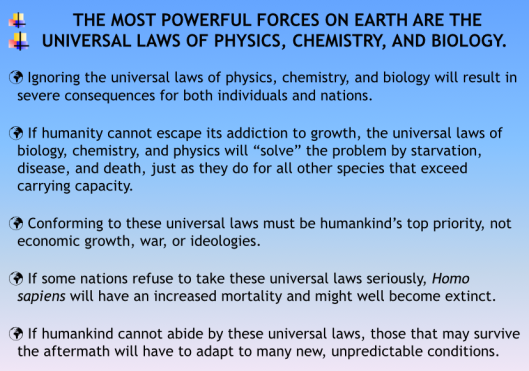
The irrational ramblings of a demagogue won’t change a shifting earth laying waste to a once rich ecosphere and grinding to dust the landmarks of modern man. Delusions and protestations have no bearing on the laws of chemistry and thermodynamics.
Civilizations are living organisms striving to survive and develop through predictable stages of birth, growth, maturation, decline and death. An often overlooked factor in the success or failure of civilizations are cultural memes—the knowledge, beliefs, and behaviors passed down from generation to generation. Cultural memes are a much more significant driver of human evolution than genetic evolution. Entire civilizations have been weeded out when their belief system proved maladaptive to a changing environment. One such cultural meme holding sway over today’s governments, institutions, and society is our economic system of capitalism. The pillars of capitalism represent a belief system so ingrained in today’s culture that they form a sort of cargo cult amongst its adherents.Cargo cults are any of the various Melanesian religious groups which focused on obtaining material wealth(manufactured Western goods that came on cargo ships) through magical thinking, religious rituals and practices. Today the term “cargo cult” is used to describe a wide variety of phenomena that involve superficial imitation of a process or system in order to fabricate a successful outcome without even the basic understanding of its mechanism.
The tenets of capitalism are ritually followed in the proclaimed belief that “a rising tide lifts all boats”, i.e. so-called improvements in the general economy will benefit all participants in that economy. Centuries of unbridled capitalism have demonstrated beyond any doubt that it does not lift all boats. A new study finds that half of Americans are “shut off from economic growth”. The rules of the game are so stacked against the masses that this week a professor said “only all-out thermonuclear war might fundamentally reset the existing distribution of resources.” Capitalism’s imperative for expansion, growing profit levels, and efficiency has ultimately dehumanized our culture. Not even when our basic life support systems are being torn asunder do the vast majority question the path we are on. We are all a captive audience to the system and those few dissident voices are snuffed out under the wheels of “progress”.
Truth be told, the corporate elite have long written off all those people living hand to mouth. Trump’s pick for Labor Secretary said, unlike workers, machines are “always polite, they always upsell, they never take a vacation, they never show up late, there’s never a slip-and-fall, or an age, sex, or race discrimination case.” Massive global unemployment resulting from the automation revolution has not yet been addressed by governments. Roughly half of all jobs in the U.S. are at risk of automation and two-thirds in the developing countries. This is all coming at a time when humans are fast destroying the ecosystems underpinning the very foundation upon which human civilization has developed over thousands of years. Mass migration of climate refugees will only further destabilize governments, stoke ethnic and cultural tensions, and give rise to fascist political movements. No conspiracy is needed to exterminate the “useless eaters”, just allow mother nature to take its course and climate change will be killing billions by mid century. Those in military planning know this and periodically express their fear of what is coming, but business-as-usual rolls on.
Capitalism’s constant impetus to shift costs, risks, and burdens off industry and onto the environment and society carries on under the guise of “being more competitive”. It’s a way of externalizing costs to maximize profit and if these costs were truly taken into account, none of the world’s top industries would be profitable(Interestingly, the link to this study has been scrubbed from the internet). It’s the height of magical thinking to put so much faith in some mystical “invisible hand of the free market” to solve existential threats such as an ever-widening wealth gap and the wholesale destruction of planetary life-support systems. There is no benevolent “invisible hand” turning individual self-interest into the common good. The primary mandate of capitalism is to protect and grow capital. The “invisible hand” is just a bunch of people scrambling to make as much money as possible, not caring or oblivious to those they hurt in the process. Fuck the invisible hand of the market. The invisible hand of mother nature will punish those who squander Earth’s rich but finite resources.
it’s been clear for some time that we have past the point of no return, triggering multiple tipping points in Earth’s living systems. New findings are continually confirming scientists’ worst nightmares. A key glacier in the Antarctic that holds back 10 feet of sea level rise was just described as breaking apart from the inside out. In other grim news, the long feared carbon bomb has now been quantified and is projected to release the emissions equivalent of an industrial country like the U.S. in the next few decades, prompting researchers to say that “climate change may be considerably more rapid than we thought it was.” Biodiversity loss is another critical threshold we have breeched: “New research shows that local extinctions have already occurred in 47% of the 976 plant and animal species studied.” A new study also reveals that the planet’s tallest animal is facing extinction after its numbers have plummeted in recent years, with the ominous warning that “many species are slipping away before we can even describe them.” Forests are being wiped out by armies of invasive insects. Because of a rapidly changing climate and the vast scale of the problem, the idea that reforestation will somehow save us is a pipe dream. Those forests won’t stay healthy enough to serve as carbon sinks and besides, seven times Earth’s land area would need to be in cultivation in order to reduce the planet’s atmospheric CO2 level down to 350ppm.
Note that the Permian Mass extinction is estimated to have happened anywhere over the course of 200,000 years to 15 million years. The current 6th mass extinction is happening orders of magnitude faster due to a multitude of factors including deforestation, habitat fragmentation, chemical pollution, poaching, etc., making this current disaster very unique in Earth’s history:
The team of geologists and biologists say that our current extinction crisis is unique in Earth’s history due to four characteristics: the spread of non-native species around the world; a single species (us) taking over a significant percentage of the world’s primary production; human actions increasingly directing evolution; and the rise of something called the technosphere. – Link
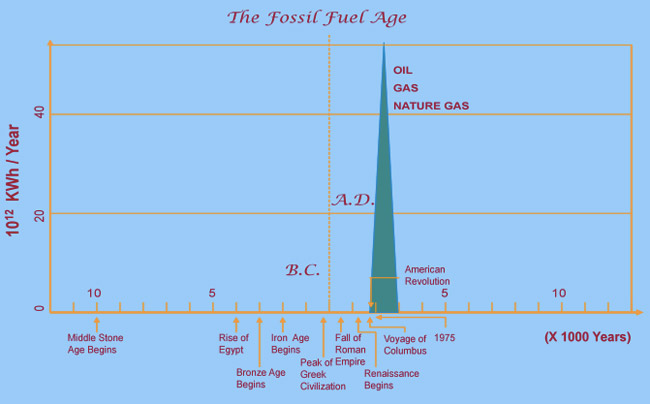
Perhaps the fate of humans was written in stone once we stood upright and developed tools. To a large degree, modern technology has been an expression of the energy-dense hydrocarbon fuels we discovered and are not willingly giving up anytime soon. Once fossil fuels ignited the Industrial Revolution and the Haber–Bosch process unleashed the human population bomb, nothing could stop the deadly carbon consumption feedback loop, not even decades of scientific warnings.
From a throwback to our primate ancestors, modern humans have been hard-wired to ignore threats that are not immediate or local; global ecological overshoot(of which climate is just one aspect) is imperceptible to the real-time cognitive processing of humans and represents the ultimate under-the-radar threat able to undermine our reasoning and response:
Psychological concepts of how we view the world around us, including ‘creeping normalcy’ or ‘landscape amnesia’, block day-to-day comprehension of what accelerating human activities represent—whether it is human population, the number of dammed rivers, forest destruction, or the impact of motor car emissions in a timespan that is geologically brief. Creeping normalcy refers to slow trends concealed in noisy fluctuations that people get used to without comment, while landscape amnesia describes forgetting how different the landscape looked 20–50 years ago (Diamond 2005: 425).
In his study of how societies fail, biogeographer Jared Diamond calls global warming a pre-eminent example of a ‘slow trend concealed by wide up and down fluctuations’ (2005: 425). He likens the denial of climate change impacts by leading politicians, including former US president George W. Bush (and his contemporary John Howard in Australia), in the late 1990s and early 2000s to the elite of ‘the medieval Greenlanders [who] had similar difficulties recognizing that their climate was gradually becoming colder, and the Maya and Anasazi (in Central and North America) [who] had trouble discerning that theirs was becoming drier’ (2005: 425). – link
We evolved to react to imminent dangers, not slow-rolling and seemingly invisible catastrophes as an unintended consequence of our cushy lifestyle. From lofty corporate boardrooms to the filthy streets of skid row, the mass of humanity is following the same biological script of overshoot and collapse seen in every organism from bacteria to reindeer herds. Fossil fuels only enabled the destruction to multiply a million-fold, culminating in one final and spectacular explosion of human activity that will leave the planet nearly barren for eons.
Open-ended growth appears to be inherent in nature, all the way from the DNA to the arthropods to mammals, including humans. Open-ended growth is the psychology of a cancer cell. I am not sure I know of a species which has learnt how to limit its own growth. Unfortunately species which transcend their environmental resources can hardly survive – the final arbiter of the climate impasse will be nature itself. ~ Andrew Glikson, Earth and paleo-climate scientist, Australian National University
The beauty and wonder of this planet is being trashed by a naked ape whose cleverness in tool-building has far outstripped his ability to handle it in any restrained or judicious manner. Nature’s rich book of life is being pancaked into a cheap, crumpled comic book.
Add in the development of mass consumerism, planned obsolescence, and the hypnosis of corporate-sponsored TV and you have a passive, malleable population happily marching towards the slaughterhouse. It’s fitting, then, that the masses would be swindled by a megalomaniac bankruptcy artist who dabbled in Reality TV. Every one of Trump’s cabinet picks is a big middle finger in the faces of those who fell for his pseudo-populist rhetoric: billionaires, Wall Street sharks, Goldman Sachs alumni, and hardcore laissez-faire capitalists chomping at the bit to deregulate, monetize, and privatize every last bit of what remains. The allure of capitalism has always been that you’re just one lucky break away from becoming one of those fat cats, if only someone would give you a chance. A prescient observation by Ugo Bardi from earlier this year:
Trump is a symptom of the ongoing breakdown of the social pact…capitalizing on this breakdown by…playing on the attempt of the white (former) middle class to maintain at least some of its previous prosperity and privileges. Trump is…an unavoidable consequence of resource depletion. – Link
The bottom line is that a swing towards authoritarianism happens when resources become scarce. Climate change is simply a symptom of humans overshooting the planet’s carrying capacity. Free market ideologues are nearly always climate ‘skeptics’ because acknowledging the reality of human-induced climate change would be an admission that industry must be curtailed or controlled. Left-leaning people nearly always accept the science because it goes along with their criticisms of capitalism which externalizes social and environmental costs for the benefit of just a few at the top of the economic hierarchy. Thus we see parasitic Trump surrounding himself with right-wing, climate denying, fossil fuel corporatists and insiders who will be doing everything in their power to dismantle health and environmental regulations including privatizing social services which are barriers to capitalist expansion.
To be blunt, our chance of developing a sustainable culture passed us by a long time ago. People will try to adapt until they cannot, and myths will be created to explain away harsh realities. A dystopic future in all its horrific glory has arrived: baked-in biospheric collapse, the inherent and irreconcilable contradictions of techno-capitalism, a dysfunctional political system unable to come to terms with root causes, and the cognitive dissonance of the masses blind to the bigger picture. Our numbers are not a safeguard from extinction.
Well the preprogrammed spectacle that has been the US Presidential election has finally concluded. The enormity of the result is staggering to behold, how exactly a buffoon with a third grade vocabulary can elevate himself to presumably the most powerful position in world politics boggles the mind.
Much political hand wringing awaits, as the punditry tries to make sense of their gross miscalculations, the nonstop media blitz, and the tacit realization that somehow, despite the protestations from the elitist high priests, a professional grifter has taken the top seat.
Accompanied by a rise of the correctly termed deplorables, a bolus of miscreants and malformed post-adolescent actors constituting a wave of lumpenproleteriat, swept the orange haired overlord into the center ring to claim his rightful throne. His superficial gaze ponders the land that he now lords over, a cornucopia of expansive panorama befitting a real estate baron. It is the jackpot, the mother lode, the penultimate land grab, a polity based version of accumulation by dispossession.
The alternative candidate was only marginally better.
So how does this happen? What possible explanation can be given for this outcome?
It turns out that the calculus of this is well understood, a narrative that goes back 150 years to elemental concepts of dialectic materialism and class consciousness. Viewed through the prism of class consciousness, the spectacle of Donald Trump and HRC makes perfect sense, for they are not opposites, not even opponents, they in fact occupy the same class structure. One is the unbridled face of capitalist excess, harkening back to the robber baron age of which he is a direct descendant, the other a sycophant of corporate dictate, a reliable war horse schooled in the art of fealty to the monied set. Both of the same class, he by inherited birthright and subsequent day job, she by studiously apprenticing to the political elites through a subservient career demonstrating pliability to corporate power.
Both textbook examples of the edict that money can be converted directly to social power.
But this is only part of the story, politicians are elected not by largesse and class membership, but by those that elevate them.
Irony in the extreme
It is fashionable for the left to publish scathing screeds denouncing the right wing deplorables, elitist rants that implore the gods to strike down those unworthy primates in their feeble mud huts. Why, they proclaim, we have turned the controls of the spaceship over to pooh flinging Neanderthals ransacking their disheveled Planet-of the Apes dioramas.
What is missing is a Margret Mead style field investigation to visit the deplorable on his home turf, to see him or her in situ, in their natural habitat. To do so is to witness a class decimated by opiate abuse, a cohort reduced to observer status in a consumerist driven economy-unable to participate at anything other than a token level as compared to their elitist contemporaries. A group asphyxiated by a toxic cocktail of service level jobs on the lower end of scale, counter balanced by a vastly underappreciated skilled labor component on the high end. It is this high skill level that is most misunderstood, much has been written about demeaning service jobs, the real story is not in this sector, the real story is in the upper level blue and grey collar worker. It is this group that has animated the Trump campaign
This cohort is typically not college educated, and often not exclusively white male. What it is though is productive skilled labor. On the purely blue collar side, they range from aircraft assemblers, machinists and other skilled craftsmen, to the iterant IT class, programmers, coders and mid-level technology workers.
What this group has in common is exploitation, alienation, and loss of the workmanship ideal. This coupled with an inchoate rage fanned by the fires of AM talk radio, Fox News, alt-right blogs and websites foments a misappropriated ethos of revenge, as an alienated cohort is forced to witness elites- decidedly unproductive workers- achieve high levels of undeserved success- at their expense.
These elites are living in the best houses, driving the nicest cars and fully reaping the bounty of a consumer class resplendent with trinkets and bobbles- and these people don’t know shit and they don’t do shit.
There is no greater insult in a capitalist economy than to see the spoils of plunder go to those who do nothing. And since time immemorial, this is the very essence of capitalist class exploitation, those that do the least get the most. Those of privilege subsume those without.
Deep State My Ass
Although an old story, we have at the same time amnesia and a new twist. We have lost the intellectual narrative of Das Capital, we have endured decades of abusive labor struggles, corrupted unions, and flat out wars with robber barons- and the left has lost. Labor has lost, collectivism has lost- and lost badly.
The New Deal set in motion a negotiated end to wildcat strikes and unruly pockets of labor unrest, in exchange for a social safety net and the newly formed principle of collective bargaining.
Labor disputes were to be centralized, and negotiated en masse to avoid any annoying (and costly) disruption to the capitalist class. Once so centralized, labor management was easy to co-opt, and in a few short decades was rendered impotent.
The intensity of these techniques remained vigorous during the 50’s, 60’s and early ‘70’s coinciding with the more or less chronic post war labor shortage while capital rebuilt and rolled out a highly networked system of value production. Tight labor markets confounded efforts to tamp down labor concessions- and the middle class prospered.
The laws of motion of Capital were not lost on the elites, as they moved to a neo—liberal agenda in the mid ‘70’s, specifically designed to offshore labor to low cost markets, and thwart a growing regulatory environment stateside.
This proved wildly successful (for Capital) by resetting the bar for socially necessary labor time to a new low, by using far eastern labor to dramatically undercut stateside salaries, effectively using soft power to bust labor unions. And, as any student of Marx knows, the cost of labor to Capital is driven by the cost of labor to reproduce itself, the availability of cheap foreign produced goods is consumed disproportionally by lower income workers, further enhancing the effects of globalization to benefit Capital.
These factors comprise the fundamentals of a superstructure that allows the accumulation of capital to purchase social power, and now the recipe is complete- hegemonic control over the political economy in Capital’s pursuit of unfettered value production.
This is an uncomfortable narrative for bourgeoisie economists and the punditry, they prefer to offer a new, pro-capitalist explanation for what we can observe, and they call this the Deep State. This supposedly is a secretive cabal of mysterious power brokers who operate behind the scenes to influence politics, the markets, foreign policy, and just about anything else that needs explaining.
There of course is no such thing, it’s just Capital operating with business as usual.
Early warning signs
I suppose you could trace the first spasms of the deplorables to Ned Ludd pitching his sewing machine out the third story window of 18th century England textile factory- as labor’s reaction to Capital’s scheming to suppress labor costs goes back centuries.
The first contemporary example, at least in the context of the Trump travesty, of the deplorables lashing out, is the appearance of Japanese cars in the parking lots of General Motors and Ford Motor Company, as (some) workers purchased imported cars that were better than what they were manufacturing at lower prices. The reaction from mainstream labor was swift and violent, cars were smashed by incensed co-workers as it was immediately recognized that jobs would be lost and collective labor bargaining defanged.
And of course Capital doubled down, immediately offshoring everything they could, first to the Japanese, then to the Chinese and other peripheral countries when Japanese labor rose to near US levels.
The current rise of the deplorable embodied by Trump’s supporters then is but a reconstitution of a very old sentiment, the lashing out of a cohort of the working class as they come to terms with a diffuse reality permeated with alienation, diminishing social power, and flat or declining wages. Their white collar managers are demonstrably incompetent, products of an overpriced university system turning out graduates with low level skill sets, high debt, and poor prospects for job opportunities.
To be sure, this group attracts truly unsavory subsets and species, these hangers on are not exploited worker class participants, the KKK and various and sundry white supremist groups do find common ground in the nationalist tendencies that are embedded in these movements, and one cannot discount the seriousness of these influences. But for the most part these nationalistic tendencies are reactionary, part of the inchoate response of alienation, and not deliberately predatory as is characteristic of hate groups
Media complicity
Much has been made recently of the role of the media in reporting, inaccurate polling data, the apparent rise of HRC, and the tendency to discount and even outwardly mock Trump’s rise. There are several areas to blame here, but inaccurate polling and disproportionate reporting of emails scandals are not really relevant.
One cannot forget that all the broadcast media accessible to mainstream voters are owned by Capitalist entities. They primarily make money through the sale of advertising, and nothing sells like conflict and controversy.
The instigating event to media complicity was the demise of the Fairness Doctrine in 1987. This FCC policy insured that controversial subjects received fair and impartial converge by news media, and a full spectrum of competing viewpoints were to be presented by the broadcast media. The operating theory is that the airwaves were part of the publicly owned commons, and that the privatization of these airwaves could and would lead to capture of what would amount to a corporate owned propaganda tool.
Indeed, within a year of the act’s elimination, Rush Limbaugh’s show hit the AM talk radio circuit, sowing the seeds of a vast communication portal to the disenfranchised lumpen. (Limbaugh reportedly has a $70mm annual salary)
Ten years later we had the beginnings of Fox News, and the official genesis of corporate media capture for the express purpose of policy promotion and influencing elections.
The effect of these efforts was profound- the growing and increasingly vocal discontent of alienated labor was subjected to a propaganda intervention, the media tools were designed to focus this building angst to anti-government/pro-capitalist belief systems. Much of this onslaught revolves around conspiracy theories, and these media portals rely on the technique of fabricating preposterous stories, wrapped in the all knowing glow of insider only knowledge, to reassure the recipient that they are truly privileged thinkers, as they can see what only the wise can see.
All that was missing was the appearance of a strong man- preferably with television media bonafides- to step up and receive the mantle of authenticity from a fawning media hungry for click throughs and profits.
It is important to note the promotion of Stephen Brannon as a senior advisor in the Trump cabinet, this move insures that the alt-right media is directly plugged into the highest level of White House proceedings. The significance of this is that Brannon has now become a de facto Minister of Information for the Trump administration, specifically chosen to disseminate spin to the alt-right media, keeping his proto-Fascist base properly satiated.
The Trump Dominion
So what might the Trump “brand” bring to American governance? We can again view this through the lens of capitalist valorization, as without question Trump’s hyper-capitalist underpinnings will animate his presidency.
First, at the personal level we know that hyper-capitalists in powerful political positions become de facto kleptocrats, using their position to personally enrich themselves, their immediate families, and associated cronies. Look for foreign policy relationships with other kleptocrats such as Putin and Mexican president Enrique Nieto. His business entities are inseparable from his political responsibilities, so we can and should expect an explosion of cross pollinated corruption as he intermingles his empire holdings with American political gravitas.
We should expect these “leadership” qualities to normalize the prioritization of capitalist objectives over any other considerations, and this ethos will quickly trickle down through the entire business ecosystem.
Make no mistake, this election result is an unmitigated disaster for the environment, for social and financial equality, and for the planet. There may well be no recovery from this, as the take away is unbridled, runaway capitalist value production, ironically, that will have the largest negative impact on the deplorable base constituency which elected him in the first place.
To help visualize the form that his rule will likely take, we might look to Mainland China for an example of what happens when State Capitalism intersects authoritarian rule. China may be called a Communist country, but it is very clearly a State Capitalist political economy under authoritarian rule. The State is used to clear the way for capitalist expansion at all costs, no regulations for any initiative that creates value production, the deconstruction of labor into quasi-prison conditions, and plenty of accumulation by dispossession in the form of displacing rice farmers into labor camps dedicated to capitalist production.
Trump’s stated focus on trade policies contain contradictions, but we might postulate that at least some of these policies might mirror Chinese action which attempt to bias trade agreements to allow for one sided tariff systems as well as technology transfers.
A further characteristic of China’s trade policy was massive investment in internal infrastructure, a policy Trump is almost certain to pursue.
We might also expect attempts to repatriate US corporations offshore profits, stockpiled over the last 10 years as a result of quasi-legal tax dodges, as well as significant reduction in corporate tax rates.
Many of his campaign promises contain intrinsic contradictions, or outright measures not favorable to value production. This is almost always due to ignorance of the laws of motion of Capitalism, and will quickly prove untenable.
An example would be his infamous anti-immigration wall. Apparently unbeknownst to Trump, Capital requires a permanent underclass to process seasonal labor, such as migrant farm work. Other low margin industries also require an undocumented underclass that can be further exploited outside of the mainstream minimum wage and benefits systems- such as car washes, restaurants, domestic help and gardeners for the upper class.
None of these industries can support payroll at the prevailing fair market wage. You’d have $10 tomatoes and $100 car washes, which of course just won’t do. This was tried under the Reagan administration when ICE was first formed, workplace raids were soon discontinued at the bequest of Capital as soon as they proved effective. Expect the same results with Trump’s wall, which will be stillborn.
This pattern will continue with most of his campaign promises, expect tangible change only in areas where Capital is the clear winner, such as infrastructure spending which will benefit Trump’s construction cronies. The same fate awaits the vaunted unraveling of Obama care, this will be watered down and ultimately look very similar to what is currently in place.
When will the deplorables first acknowledge that they have been duped?
Revolutions and the decline of the left
This situation is directly attributable to the failure of the left. What passes for the left in this country is not really leftist, but rather progressive. This political energy has been misdirected to insidious social issues, such as whether or not plastic bags should be provided in supermarkets, Big Gulp soft drink bans, and an inordinate amount of attention to LBGT issues. I’m not suggesting these issues are without merit, just not at the current energy spend that is being allocated.
These tactics result in inflaming the value systems of the deplorables, they lash out (rightly so) at the prospect of behavioral overreach of the progressive movement, this coupled with their sanctimonious highbrow attitude delegitimizes progressive causes, and expensive political capital is expended on third tier issues.
This energy is misdirected and disproportionate, the left should stand for anti-Capitalist causes, first and foremost. The left should be demonstrating frequently and loudly with well-defined objectives and messaging, so as to become a thorn in the side of value production, and at the same time, persistently contradicting the alt-right media propaganda that tries to evangelize the Capitalist mode of production.
The center of mass of the right’s “deplorables” is largely alienated labor and this should be recognized and reinforced with consistency.
This cohort shares much in common with Bernie Sander’s coalition for example, but the media shapes the perceptions to create an adversarial identity politics. In the main, the groups share the same sensibilities, but are compartmentalized by fabricated ideologies that bear little resemblance to reality.
Certainly they do not reflect a fundamental understanding of the laws of motion of Capital value production- from either side.
Work still needs to be done by the left to comprehend new forms of value production that are rapidly materializing. Examples would be the emergence of cognitive capital, which is the production of use value without labor participation, and reputational capital, which is the occurrence of supra profits without commiserate labor value through the use of branding and vanity labeling of commodities.
Capital is rolling out new forms of exploitation faster than the left can process these changes into a coherent theory of value.
The right invests in this type of intellectual post processing through the use of corporate funded think tanks, but of course, this is not available to leftist interests for obvious reasons, so other methods must be employed, such as university level study into post Capitalist possibilities.
Next steps
Much of the misdirection of the current election is due to the inability to recognize fundamental symptoms of alienated labor. The Democrats missed it, and so did the mainstream Republicans.
Alienated labor is unquestionably the domain of anti-Capitalist ideology, this is the only group that not only recognizes the depth of the problem, but has a narrative that explains how it occurs and what to do about it.
Any suggested corrective action at the political level is going to be cold comfort to those who recognize the complete collapse of the environment that is occurring around us. We must keep in mind that it took Capital 400 years to get to this point, and it will not be erased overnight excepting some planet scale calamity- which we cannot of course rule out.
But political level initiatives can prove effective in the meantime.
If the focus is kept on discouraging value production and dismantling socially necessary labor time, inroads can be made against the Capitalist mode of production.
Some tactics to achieve this are to shift focus to the point of realization, which is to attack Capital from the retail front. Some of these measures start out as Pollyannaish, such as don’t shop at chain stores, use credit unions not banks, do not use credit cards, look to buy commodity goods from businesses organized as collectives whenever possible.
But quickly we can see some areas that offer the potential for concrete change, if you feel you can start a business do so, but do so as a collective, e.g. structure the business to return profits in an equitable distribution to employees. This collapses the class structure and eliminates exploitation in a shift away from the principle of socially necessary labor time.
A compilation of such businesses at the community scale can then extend favorable conditions to supply chain partners that are also collectives, and non-favorable terms to traditional corporate models, whenever possible.
To promote these types of entities beyond a given community, state wide tax incentives can be used to encourage the creation and operation of collectives. One strategy might be to allow these businesses to operate tax free, while traditional corporate structures have to pay full freight.
Initiatives that support privatization in any form should be vigorously opposed- and protested. Examples would be the obvious attempts to privatize social security, national parks, etc., but awareness and activism should also extend to resisting privatization of intellectual property as well, such as attempts to extend the duration of protection on utility patents, new efforts to privatize internet IP, and drug compound monopolization- to name but a few.
This is a grass roots style build out, when successful at the state or regional level, this can expand to the national level, where with sufficient political strength, more substantial measures can be deployed to discourage traditional corporate value production. Examples might be limiting businesses to less than 500 employees maximum, by applying draconian tax structures when these employment numbers are exceeded.
Longer term, energy production should be nationalized, as well as the financial system.
Taken as an integrated system, these measures redirect, however slowly, towards a more equitable system that ultimately can be based on needs production, instead of the bottomless pit of value production.
“When you cannot feed your children, you will do anything, even if it means going to war. This is the reality of climate change.” ~ Dr. James Orbinski
80% of the world’s productive agricultural land is in river deltas which are vulnerable to flooding from storm and tidal surges as well as salt penetration inland –as much as 20 km in some cases. Just 1 meter(3.28ft) of sea level rise(SLR) would threaten one third of this food-producing land and render nearly all the barrier islands of the world uninhabitable. (Overly-)Conservative estimates from the IPCC in 2013 predicted 1m of SLR rise by 2100, but the last two decades have seen global sea level increase more than twice as fast as it did in the 20th Century and only recently have scientists realized the true rate of SLR has been grossly underestimated(here and here). James Hansen (et al) has argued all along that 5 meters of sea level rise by the end of the century is possible, taking decades to happen rather than centuries. They conclude that glaciers in Greenland and Antarctica will melt 10 times faster than previous consensus estimates. The last time CO2 levels were at 400ppm was during the Pliocene Era when sea level was 5 to 40m higher (16-131ft); unfortunately, Earth is warming 50 times faster than when it comes out of an ice age. Professor Harold R. Wanless who has studied the geologic sedimentary record says that we are in for a nasty surprise within this century:
Most of the models projecting future sea level rise assume a gradual acceleration of sea level rise through this century and beyond as ice melt gradually accelerates. Our knowledge of how sea level rose out of the past ice age paints a very different picture of sea level response to climate change. At the depth of the last ice age, about 18,000 years ago, sea level was some 420 feet below present level as ice was taken up by large continental ice sheets. Subsequent ice melt was not a gradual acceleration and then deceleration process. Rather it was a series of very rapid pulses of sea level rise followed by pauses. These rapid pulses of rise, from three to thirty feet, were fast enough to leave drowned reefs, sandy barrier islands, tidal inlet deltas, and other coastal deposits abandoned across the continental shelf. That is what happens when climate change warms enough to destabilize some ice sheet sector. It rapidly disintegrates, resulting in a rapid rise.
We are already witnessing the demise of the Great Barrier Reef, the oldest and largest living organism on the planet, which continues to suffer the lethal effects of a warming and acidifying ocean. We’ve destroyed the planet’s air conditioner in the Arctic and set the stage for an impending Blue Ocean Event where 24 hours a day of summer sunlight penetrating the uncovered dark Arctic waters will create another tipping point for runaway climate change. The Arctic climate is changing so fast science can barely keep track of what’s happening or predict global consequences. On top of this, nature’s carbon sinks have been severely weakened over the last few centuries, hindering the ability of the planet to absorb ever-increasing greenhouse gases. And these things are happening before a large destructive pulse of SLR hits the planet.
History has proven considerably worse than the Club of Rome’s projections. The original report made only passing reference to some of the most critical environmental problems of today. In response to this, the Stockholm Resilience Centre identified a set of nine ecological processes regulating land/ocean/atmosphere and their accompanying boundaries within which humans must stay to avoid biospheric collapse. In 2015, researchers found that four of these planetary boundaries had already been breached: biodiversity loss, damage to phosphorous and nitrogen cycles, climate change and land use. None of these critical boundaries were picked up by the original Limits to Growth report. We have destroyed the stability of the Holocene Epoch and continue to wreak havoc with every passing day. In other words, there are many other environmental crises too numerous to list that are coming to a head, and catastrophic sea level rise is just the icing on the burned cake. The last time Earth had such a disruptive species, cyanobacteria altered the atmosphere and killed off all the anaerobic life forms including itself. Ironically, oxygen was the byproduct of the cyanobacteria that proved lethal to those ancient lifeforms and paved the way for the rise of photosynthetic organisms. The cyanobacteria had a 500 million year run, but modern man has only been around for 0.01% of that time. Our large brain has made it possible for us to destroy ourselves in record time.
So you would think that these stark facts laid out before us would be causing panic in the global markets and seats of power around the world because, clearly, no one is safe from this unfolding apocalypse. In what many call the ‘most powerful nation on Earth’, surely a leader must be on the verge of taking the helm of this sinking ship. In any rational world, they would be compelled to battle this planetary emergency with the war-time urgency it demands. In the election year of 2016 there are only two prospects in our corporatocracy, one of whom is so frightening that hundreds of the world’s scientists felt compelled to issue a warning against his possible election. The other candidate seems much more palatable on the surface, but her record and recent emails illustrate just how tortured her positions are on environmental issues. Anyone who has studied the numerous practices that make modern civilization truly unsustainable, the depths of corruption and waste in its global socio-economic system, and how predatory one has to be in order to survive and “succeed’ in it realizes in the end that it wouldn’t matter much who fills that figurehead position. Toeing the line of the dominant culture is a prerequisite for the job. That’s one reason why nations are building walls in response to climate change refugees and putting faith in unproven and unrealistic techno-fixes to save themselves while at the same time drilling for new oil, financing new coal plants, allowing climate goals for corporations to add up to only a quarter of the amount needed to limit warming to 2°C, and giving the shipping industry a pass on curbing its emissions(if shipping was a country it would be the world’s 8th biggest carbon polluter).
The biosphere is collapsing under the weight of 7.5 billion people living off the combustion of a one time endowment of ancient carbon energy, from the factory-farmed produce they eat to the petroleum-based medical supplies that keep them alive. And global population growth may be accelerating at an even greater rate than recent predictions. As Germany has shown, “renewable energies” are nothing more than ‘fossil fuel extenders’ still wedded to fossil-fueled extraction processes for the production and maintenance of those technologies. It’s a shell game of sorts. Industrialized countries will say their carbon footprint has gone down without telling you they’ve moved their dirty industrial operations to Third World countries. Developing countries will make promises of “green growth” while their state-owned banks and companies expand fossil fuel production overseas. We’ve been fooling ourselves for a very long time about what is truly sustainable and will continue to do so as the system falls apart, geoengineering fixes are applied, interstellar space colonization fantasies are dreamed up, and wars are fought for what remains. Humans have constructed a reality incompatible with the well-being of the natural world and the stability of the biosphere, but we won’t be able to escape the rules of physics, chemistry, and biology. We’ve spent generations making the bed we’re going to be lying in, never realizing it’s also our death bed. Time is not on our side.
Most are not listening and our leaders are misleading, so it bears repeating: ‘The Oil Age’ made us all confident idiots with short attention spans. To both candidates: runaway, catastrophic climate change resulting in loss of habitat and mass starvation is our biggest threat.
In a civilization gone mad with delusions of grandeur, we’re left with tatters of human sociability held together by rancid mythologies.
Despite human fossil fuel burning recently reported to be “flat”, CO2 levels have been on a tear for the last six months, reaching new worrying levels which have some wondering whether permafrost melt may be contributing to the unusually high spike if no decline happens soon. The giant holes in Siberia serve as an ominous sign. Considering that the current El Niño is contributing only 10% to what we are now seeing, runaway global warming may be accelerating worldwide. But don’t worry, Warren Buffett says climate change is no more of a problem than the Y2K bug and will be profitable through increased premiums and inflation.
In our warming world, the hydrologic cycle is changing and creating extreme weather; crop-destroying droughts and floods are becoming more frequent. The Jet Stream is transforming into something different, becoming wavier with higher ridges and troughs prone to stagnating in the same region. As global temperatures rise over time, hotter air will be trapped under these layers of high pressure from a mangled Jet Stream, cooking everything to death. Rising winter temperatures are beginning to destroy the “winter chill” needed for many fruit and nut trees to properly blossom and produce maximally. Climate change is also disrupting flower pollination and pushing fish toward the North/South poles, robbing poorer countries at the equator of crucial food resources. In a new study, marine scientists are surprised to find a disturbing trend in the increasing numbers of a specific type of phytoplankton, coccolithophores, which have been “typically more abundant during Earth’s warm interglacial and high CO2 periods.”
Homo sapiens have only been on the planet for the equivalent of a few seconds in geologic time but have managed to overwhelm and foul up all of earth’s natural processes and interdependencies, leaving a distinct layer in the sedimentary record. There is nothing modern humans do that is truly sustainable. Here are a few glaring examples:
While the resource intensity of GDP may be falling (less resources needed to produce 1$ worth of goods/services), the absolute decoupling of resource use, emissions, pollution, etc from GDP growth is the only thing that matters and that is not happening. If the world’s population continues to grow as projected and current lifestyles do not change, global resource consumption will increase anywhere from 2 to 5 times by 2050. It defies logic that a continually growing economy would be able to reduce its resource intensity down to near-zero to achieve a sustainable ecological footprint.
According to recent research, even if we converted 100% of farmland to reforestation projects it would only lower temperatures 0.45C by the end of the century. Converting half of global farmland to reforestation would result in just a 0.25C drop. Other recent studies have come to the same conclusion:
No amount of reafforestation or growing of new trees will ultimately off-set continuing CO2 emissions due to environmental constraints on plant growth and the large amounts of remaining fossil fuel reserves,” Mackey says. “Unfortunately there is no option but to cut fossil fuel emissions deeply as about a third of the CO2 stays in the atmosphere for 2 to 20 millennia.
Relying on machines for answers to the existential problems of a species run amok with planet-destroying tools and weaponry is rather ironic and tragic. We’re locked-up inside a complexity trap of our own making. The human propensity for tool-building coupled with our discovery of fossil fuels has created a set of living arrangements in which we are now enslaved to those machines and tools. The globalized capitalist economy externalizes its destruction and atrocities, keeping the masses in a state of ignorance and denial. Our corporate overlords are not conscientious citizens, but mindless organizations whose sole purpose is to grow profits no matter the external damage done to society and the environment. Between the economic oil hitmen who ensure that profits flow smoothly and GOP politicians who openly espouse their science illiteracy, a hospitable climate for future humans seems remote. Hopeful delusions have given way to the stark reality of our predicament as scholars like Noam Chomsky who originally started his career fighting for a modicum of social justice have now set the bar at just the chance of human survival. Despite the best efforts of scientists, environmentalists, and activists, the wealthy countries most able to do something won’t “get it” until famine, disease, and war come to their country. All is being left for the almighty ‘free market’ to sort out at the same time that climate change, a conflict multiplier, ramps up.
The sixth mass extinction gathers steam and climate inertia works to catch up to the catastrophic ecological collapse already baked-in. All the while, modern man engages in the spectacle of tribal politics(building walls, exuding military strength, recapturing past glories of their nation) and presidential candidates discuss the size of their penis.
For those who come to understand modern man’s predicament, it can either be the ultimate mind fuck or an epiphany that helps a person appreciate the fragility of life, the urgency of living in the here and now, and the grand cosmic joke of a global, hi-tech civilization that arose from the burning of ancient fossil remains only to have those fumes become a deadly curse, extinguishing any trace of our lofty accomplishments…
The fossil record, Plotnick points out, is much more durable than any human record.
“As humanity has evolved, our methods of recording information have become ever more ephemeral,” he said. “Clay tablets last longer than books. And who today can read an 8-inch floppy?” he shrugged. “If we put everything on electronic media, will those records exist in a million years? The fossils will.”
– Link
As China’s appetite for resources wanes with the bursting of its real estate bubble and America’s shale oil boom fueled by easy credit comes to an end, floundering petrostates are beginning to queue up for bail-outs. Financialization appears to have exacerbated the collapse in oil prices. Of course none of this capitalist boom-bust cycle negates the fundamentals of peak oil; prices will swing upwards again in a few years as marginal producers get weeded out. After all, the world still consumes nearly three million gallons of oil per minute, and only a relatively thin margin separates surplus from a shortage. Most of our energy usage does not involve electricity which is what alternative energies like wind and solar produce. Electricity comprises just 18% of the total global energy consumption of which alternatives make up a tiny sliver. 250 new human beings are added to the planet every minute; each born into a world of depleting resources and mounting pollution; each scrambling to secure the necessities of life. The black stuff will remain the primary fuel supporting this growing population of a globalized technological civilization.
A recent study estimates that if we are serious about implementing alternative energies to satisfy the goals of the Paris climate accord, then upwards of 12 trillion dollars will have to be spent over the next 25 years. This price tag is an investment that is 75% more than current growth projections. At a time when governments have spent their last ammo pumping more electronic money into the economy to try to stimulate economic growth, the prospects of decarbonizing the entire global energy system appears daunting, especially considering the many shortcomings of alternative energies. Time constraints on a planet indifferent to our energy needs are also bearing down on us:
As the Keeling curve creeps irreversibly higher and the gap between rhetoric and reality widens, pipe dreams like geoengineering and carbon sequestration will become desperate Hail Marys for a species whose time is running out. The New York Times editorial by Piers Sellers, a NASA Earth Sciences director who has terminal cancer, perfectly sums up this techno-fix mindset: “…it will be up to the engineers and industrialists of the world to save us.” Keep calm, keep shopping, and await further instructions; the elites have it all under control. Jeb Bush’s recent comment that we should pin our hopes on “someone in a garage” fixing climate change illustrates the widespread delusion that technological innovation, good ol’ entrepreneurial spirit, and capitalist market-based solutions will be our saviours. Ironically, Jeb belongs to the political party hell-bent on defunding public education, a policy that would seem to make those plucky garage inventors even more implausible.
We cannot possibly rely on a system that profits from the very disaster it has helped to create, yet that is the dead-end feedback loop we are locked into. Mexico is a good example of how landscapes and communities are being carved up for alternative energy farms and carbon trading schemes that benefit only large corporations. Even philanthrocapitalism promotes the convenient myth that market forces and the whims of billionaires will solve systemic problems. The precautionary principle has been thrown out the window in the pursuit of short-term profits and power. We have only a vague inkling of nature’s rich complexity and interdependence. The scale of our ignorance is frightening considering our oversized impact.
The truth of our predicament has been criminally concealed since the 1970s by the fossil fuel industry which all the while knew that an overheated Arctic would melt away, exposing fresh deposits of carbon for them to exploit. Unfortunately the bonanza they planned for has not materialized; melting permafrost wreaks havoc on infrastructure and exploration. The cryospheric regions of earth, key geographic features regulating the planet’s climate, were systematically dismantled within the geologic blink of an eye; such environmental changes are imperceptible to the real-time cognitive processing of humans, but in geological ‘deep time’ these events are cataclysmic and portend a dire future for humans. There are more signs that the Atlantic Meridional Overturning Circulation (AMOC) is slowing down.
“We’re sitting on these planetary boundaries right now, argues Rockstrom, and if these systems flip from one stable state to another — if the Amazon tips into a savannah, if the Arctic loses its ice cover and instead of reflecting the sun’s rays starts absorbing them in water, if the glaciers all melt and cannot feed the rivers — nature will be fine, but we will not be.” ~ Johan Rockstrom, director of the Stockholm Resilience Center
The time to avoid critical tipping points in those decades has passed. The projections from the IPCC were downplayed and underestimated in order to continue the destructive business-as-usual:
“…new scientific findings were more than twenty times as likely to support the ASC perspective [that disruption through AGW may be far worse than the IPCC has suggested] than the usual framing of the issue in the U.S. mass media. The findings indicate that…if reporters wish to discuss ‘‘both sides’’ of the climate issue, the scientifically legitimate ‘‘other side’’ is that, if anything, global climate disruption may prove to be significantly worse than has been suggested in scientific consensus estimates to date”.
We’re in the early throes of economic and ecological system failure; headlines grow more alarming each year:
Plastic is projected to outweigh fish in the world’s oceans by 2050. This may happen much sooner since it was just discovered the number of fish remaining in the ocean has been grossly overestimated. We only recycle 5-10% of plastics today and many are not recyclable. It’s cheaper for industry not to recycle and the quality of plastic is degraded when it is recycled. No international body exists that can hope to regulate dumping in the oceans. International ships dump freely without consequence. Unenforceable legislation is heroically passed in bodies of government from time to time, but it remains ineffective. Waste is also shipped across borders to more “business friendly” countries where waste can be cost-effectively dumped.
Hot days are occurring 145 times more often over the last 10 years than just a few decades ago. Unique World Heritage Sites are being destroyed by climate change. The latest one, an ancient Gondwana ecosystem in Tazmania, burned down to the ground from fires sparked by dry lightning strikes, a direct result of climate change. A warming planet is also providing a growing range of favorable places for mosquitoes, the bane of mankind, to spread pestilence and disease. Our interconnected world can fast-track their dissemination with the help of a single intercontinental plane flight. At the moment, the Zika virus is grabbing headlines with its explosive expansion. Scientists are on the verge of confirming that it has jumped to the common mosquito and the WHO recently declared it an international health emergency. Microcephaly appears to be just the tip of the iceberg for the fallout of this virus. Normal-appearing newborns are suffering ill effects as well. It is believed that the Zika virus was introduced into Brazil during the World Soccer Cup in 2014 when an influx of tourists visited cities throughout Brazil. The 2016 Olympics in Rio will provide a perfect vehicle for the worldwide distribution of Zika.
“…history tells us that civilizations experiencing dramatic declines in their net energy uptake usually develop authoritarian political systems in an effort to stave off collapse, but then crash and disappear anyway.” ~Eric Zencey
Historically speaking, the elite are last to feel the effects of their hubristic decision-making, insulated as they are in their positions of wealth and power. Modern ideals and virtues of human rights, social justice, and a strong American middle class have all been aberrations of a civilization built atop a surfeit of energy.
The disparity between MSM news and real world problems like climate change, pollution, growing wealth inequality, the unraveling food chain, etc. are breathtaking. Wrecking the biosphere and bringing on a mass extinction leaves no one unscathed or in any position to survive long-term. Secret plans of survival by the “elite” are simply another myth. The wealthy may be buying up tracts of land in remote areas, but they are perhaps more delusional than anyone else because of how their wealth insulates them from hard realities. Without all those just-in-time supply chains operating seamlessly across a stable planet, no one gets out alive.
Another climate conference has once again come and gone, echoing hollow promises and ugly unspoken realities. I won’t waste anyone’s time analyzing the verbiage of this so-called agreement which failed to even mention the term fossil fuels, probably at the behest of those who financed the entire farce, i.e. the carbon-extraction companies. Suffice it to say that countries were approving fossil fuel exploration projects before the ink of the global climate agreement had fully dried. As long as corporations are able to push environmental and social costs off their balance sheets and onto the backs of the weak and defenseless, dirty coal will be burnt and the cheapest slave labor will be employed. Questioning root causes like our inherently unsustainable way of life is still very much taboo and will remain so even after our descendants are sifting through the wreckage. Sure, mainstream publications have expanded their coverage of man-made climate change and global warming, but these existential threats to life on Earth remain an enigma to the vast majority, a footnote in some obscure textbook.
Retailers on the East Coast talk about a crisis for winter clothing sales because the weather has been too unseasonably warm to attract buyers, but nary a mention of man’s role in influencing these abnormal events, such as a super El Niño amplified by global warming. As the developed world continues to roll the climate chaos dice, we now face a higher chance of turbo-charged El Niños every 4 to 12 years and all the destruction that they bring —mass coral bleaching events, die-offs of marine mammals, record flooding and drought, crop failure and famine, refugee crises, etc. This year’s El Niño is on track to becoming the strongest on record with meteorologist Eric Holthaus exclaiming, “Our planet’s climate has undergone a step-change this year.”:
This climate “step-change” may also be indicative of a considerable underestimation of the Earth’s climate sensitivity. What should be painfully obvious by now is that the carbon footprint for everyone will have to decrease dramatically and quickly in order to slow emissions. In other words, the world’s richest will have to radically alter their lifestyles. That’s never going to happen in any variant of capitalism, a system so entrenched that it is inconceivable to imagine anything substantially different taking its place. Instead we get things like corporate greenwashing, carbon trading, decades of climate conferences, First World offshoring of manufacturing emissions into the Third World, and out-and-out fraud like the VW auto emissions scandal. The problem has been identified for nearly half a century, yet we continue to deceive ourselves with half-baked solutions and hypocritical indignation. The inertia of the system is simply too great and the dominant culture has a tendency to kill the messenger of bad news, so there is a strong incentive to sugarcoat things, but a deus ex machina is nowhere on the horizon. We’ll only change in response to the hard realities from an increasingly inhospitable planet. Sunken costs and material incentives built into our socio-economic system prevent radical change and fetishize the myth of the easy techno-fix, a yet-to-be-invented technology that will magically sustain modern civilization while at the same time keep the wolves of ecological collapse at bay. Even more delusional, a prominent tech magnate has urged humanity to pursue interstellar colonization before we render the Earth uninhabitable, but as an internet commenter quipped, “A post-nuclear war, global warming-baked and hyper polluted Earth will still be paradise compared to Mars.” Some technophiles admit the future actually looks rather grim:
…But the most worrisome threats are not merely anthropogenic, they’re technogenic. They arise from the fact that advanced technologies are (a) dual-use in nature, meaning that they can be employed for both benevolent and nefarious purposes; (b) becoming more powerful, thereby enabling humans to manipulate and rearrange the physical world in new ways; and (c) in some cases, becoming more accessible to small groups, including, at the limit, single individuals…
Just as technology is not neutral, so too is the economic system driving this technology. The institution of capitalism, which has been copied and exported all over the world since WW II, has established widespread acceptance for the condition of mass production, mass consumption, and waste at an ever accelerating rate, pushing the world deeper and deeper into ecological crisis. For example, the ubiquity of plastics now exhibits itself as microscopic pieces on every beach in the world and in our dinner with trillions more pieces in the oceans than previously thought. Scientists estimate that nearly all sea birds will be ingesting some sort of plastic by 2050. In spite of this growing evidence of a plasticised planet, the production of plastics has only increased while recycling remains an effort in futility:
For more than 50 years, global production of plastic has continued to rise. Some 299 million tons of plastics were produced in 2013, representing a 3.9 percent increase over 2012’s output. With a market driven by consumerism and convenience, along with the comparatively low price of plastic materials, demand for plastic is growing. Recovery and recycling, however, remain insufficient, and millions of tons of plastics end up in landfills and oceans each year – link
There’s no going back from this global complexity trap we’ve built around ourselves. All those bits of plastic will end up in the sedimentary layer of the Anthropocene along with elevated concentrations of CO2, radionuclides from nuclear fallout and waste, as well as novel metals and pollutants never before seen. Once underway, mass extinctions cannot be reversed, especially when driven by over seven billion pleasure-seeking, individualistic “consumers”. Materialism and greed, we are told, are natural human instincts, and they are all too eagerly rewarded by an economic system which reduces everything to a financial object and monetizes every aspect of the natural world. Today’s environmentalism is, as Derrick Jensen pointed out, similar to the palliative care given to prisoners in Nazi Germany death camps. The emaciated ecological ghosts of so many species are right before us, yet nearly everyone is blind to the unfolding catastrophe of the 6th mass extinction:
…we lose a huge chunk of the world’s diversity that will never come back. We lose the potential for communication with other lifeforms, with the only remaining ones eventually whittled down to domesticated animals or weed species that thrive in civilized man’s destructive footsteps. The conversation of life itself is turning into small talk, but the only recognition that seems to be made by this culture is how [biodiversity loss] “reduces carbon storage”. How trees and animals can provide “ecosystem services”, as if they existed for nothing more than to continue the existence of the mad king ape. – pathofraven
Yes, we are pretty far gone when a four minute comedy routine makes more sense than anything broadcasted on the evening news. Corporate mass media-controlled public debates have degenerated into infomercial sound bites. In a society where success is measured by the key metrics of money and profit, it should be no surprise that a wealthy, xenophobic businessman is able to garner mass appeal by hogging publicity and playing on the fears and base desires of the populus. “Make America Great Again” is a catchy slogan for a society ignorant of the collapsing world around them and oblivious to the over-consumptive, profligate way of life that is proving to be their undoing. For a celebrity-obsessed culture whose world is falling apart, the next logical choice for its leader would seem to be a reality TV show star who says he can restore the illusion of the American dream and build a great wall to keep all the riff-raff out.
A fascist right-wing administration might just provide that extra push that takes us all over the edge into collapse. With the Presidency largely serving as a figurehead position for the Deep State, I’m not convinced a different candidate would make a measurable difference in the grand scheme of things anyway. Our “democracy” is, after all, just one more illusion in a bread-and-circus election cycle:
“Today, we must look to the city of Las Vegas, Nevada, as a metaphor of our national character and aspiration, its symbol a thirty-foot-high cardboard picture of a slot machine and a chorus girl. For Las Vegas is a city entirely devoted to the idea of entertainment, and as such proclaims the spirit of a culture in which all public discourse increasingly takes the form of entertainment. Our politics, religion, news, athletics, education and commerce have been transformed into congenial adjuncts of show business, largely without protest or even much popular notice. The result is that we are a people on the verge of amusing ourselves to death.” – Neil Postman, Amusing Ourselves to Death: Public Discourse in the Age of Show Business
So while terrorism takes center stage in the overstretched Empire of Amnesia, remember this simple fact: 303 Americans were killed in terrorist attacks worldwide in the last decade while 320,523 Americans were killed because of gun violence in that same time period. Random mass shootings, capitalism’s “free market” genocides, the disruption of the Holocene’s stable climate regime by anthropogenic climate disruption, tipping points in the earth’s biosphere, terminal industrial disease, and many other things come to mind that pose a much bigger danger to the average American, but the War on Terror, conceived as open-ended, serves as a conveniently omnipresent boogieman for jerking the chain of the taxpayer and justifying the growth of an intrusive security state. What better way to control the masses as the wheels continue coming off the global economy and the biosphere becomes evermore threadbare. The rich will retreat into their luxury spider holes until the coast is clear.
As a young boy raised in the rigid catechism of the Catholic Church, I was no stranger to contradiction and non sequitur.
The high, arching vaults of cathedral whose vertical volume is designed to put man in his place among the towering edifice of the saints, the superimposed almost miniature scale of the pews, the oppressive silence of a vast and empty church.
The looming spectacle of towering oak confessionals, hushed inside with heavy curtain, and black, pitch black, it takes a few moments to find the kneeling pad and to position yourself near the thin fabric partition panel, a wooden core perforated with small holes from which movement and shadow emerge.
A rustling ensues and an invisible door slides open, exposing the partition to the priest’s chamber on the other side. You cannot see but you can hear.
The priest speaks in a thick Irish brogue, first in Latin then after an appropriate incantation, in English. I tremble in the darkness as the sins of a 12 year tumble out, slowly and haltingly at first, then uncontrollably. A tidal wave of transgressions, the bad words spoken, the stolen candy, the parental disrespect, the poor scholastic performance, all of it comes out. There is no consolation, no hope of salvation, the depths of hell soon to open up and engulf me, the oxygen is gone and I begin to suffocate, the pregnant pause and heavy silence of the invisible priest validates the certainty of my demise.
The priest pauses, taking it all in, his mind weighing the calculus of just penance for such sins of the living. Venial and mortal are weighed against gravitas and malign, the 20 century old calculator passed through the ages whirrs and crackles, and the penance is announced:
“Two laps around the rosary beads and six Hail Mary’s will settle the accounting nicely. To be completed immediately.”
I emerge from the dank confessional into a beam streaming from stained glass clerestory windows, light in step and free of heart, the banality of the exchange from sinner to winner lost in the eager imagination of a 12 year old.
For this is the story of a centuries old institution, full of hypocrisy and theology squandered through the millennia, as it attempts to rehabilitate itself.
The Church occupies a precarious space between irrelevance and populist hypocrisy on the one side, and the frothy wrath of conservative thinking, chaired by Capital on the other. Chastened by its post-Enlightenment fall from grace, the Church tentatively sought out the meager ground of allowable existence bifurcating these two forces.
As a result, the Church’s positions are filtered to maintain an uneasy equilibrium between these opposing dictates.
The Church long ago decided that a post Enlightenment bias toward hypocrisy and irrelevance was preferred, as at least survival was possible. Tangling with the forces of Capital in its unwavering march of exploitation, both of labor and of environment, was clearly a more ominous undertaking than offending suburban church ladies by turning a blind eye towards meaningful social commentary.
But the fetters of Capital were but a primer for the existential challenges the Church has always faced since time immemorial. The conservative Church has millennia of expertise at a very deep level in not only understanding external threats, but in countering them- effectively.
These existential threats come in several forms, but one of the most damaging comes from the positioning of Man within Nature.
The essential premise is the concept of Dominion, a stated Church philosophy that Nature is under the dominion of Man, entirely subservient to and dictated by Man. Dominion taken literally asserts mastery or control over a subject, the fundamentalist view takes this further into (theological) Dominion of government and other religions not compliant with Christianity. Taken in this form, Dominion reflects a dangerous authoritarian system- even fascist- means of societal structure.
The Roman Catholic interpretation allows for Dominion in the context of the greater good, a collectivist view which is not absolute. This is drastically different than the fundamentalist view which has no room for greater good considerations.
We can see the slippery slope emerge and morph through the ages until the intersection with Capital and its attendant system of value production. Herein we see a definition of the “greater good” that becomes increasingly influenced by Capital until it becomes entirely subsumed to represent any conceivable exploitation of the environment in the pursuit of profits.
The Church’s liberalized interpretation of Dominion becomes its own worst enemy.
Another significant factor in the theological scrum of ideologies is the notion of monotheism, versus pantheism and polytheism.
These concepts juggle the position and relationship of Man to the Environment, and a central objective of Christianity in general and Catholicism in particular is displacing these alternative theisms by a singular omnipotent and externalized God.
This displacement is essential to establish Christian dominance in all matters-science, and sociology included. Christianity wants no competitors, no sharing of power, no interference from pagan idolatry, it insists on a zero tolerance policy.
Pantheism in particular has a much more integrated understanding of the relationship of Man and Nature by deifying aspects of nature, a position considered heresy by the mainstream Church.
Acknowledging that elements of Nature are sacred is a concession to neo-paganism- an existential threat to the Church which has spent millennia trying to unravel these alternative belief systems.
The Church systematically dismantled these pluralistic options to establish, maintain, and control theological dominance- a strategy that remained effective for 1600 years, notwithstanding a few religious wars and dust-ups along the way.
But what we are left with is a dismissal of Nature, and enforced subservience, and an attack stance towards any belief system that suggests any outsized importance for Nature beyond relying on an externalized God.
These manifestations are relatively benign in a pre-Capitalist world with insignificant populations, but an explosion in population coupled with the intersection of Capital proves to be a poisonous elixir.
The constraints of dominion and a subservient Nature pass through the millennia, benign at first with (relatively) small numbers of humans embedded in a vast tableau of Nature, then exploding into crisis with the intersection of Capital and the Industrial Revolution.
Against the backdrop of the Industrial revolution, the ascendancy of Capitalist value production, and importantly, the tectonic shift from an agrarian lifestyle of self-sufficiency to a wage labor economy, there arises an increasing and profoundly powerful exploitation of the environment.
This manifests in two dimensions, firstly, on the input side as natural resources are extracted at an increasing rate in support not just of an exponentially increasing population, but of the added and significant burden of creating profit for profit’s sake, for which there is no end and no demand limits.
On the output side, the waste products of unlimited value production are unleashed on the environment as recklessly and wantonly as possible, so as to avoid any reduction in surplus value. Controls and environmental regulations are criticized as “job killers” and discarded, a not so subtle reminder that your ability to eat is dependent on their ability to profit.
But the cognitive dissonance of these conditions are painfully obvious, and Capital needs a compelling narrative that will support its ceaseless plunder.
It finds a willing if unlikely partner in the nascent American Christian movement that arose during the early to mid-20th century.
While Catholicism held back from full throated endorsement of the robber baron business model, the Christian fundamentalist and Evangelical movements exploded onto the scene with full endorsement.
In retrospect, the alliance between Christian fundamentalists, Evangelicals, and Capitalists should have been easy to foresee as inevitable. The Catholic Church’s long standing focus on the plight of the poor, and its ascendancy in American society became troubling to many on the Right. The size of the Catholic constituency began to grow within American culture to the extent that the dream of a parallel, Catholic society become feasible to implement, and in fact the Catholic Church did just this, with thousands of Catholic schools built and staffed by (mostly) clergy and nuns.
In and of itself this parallel culture of a differing and more restrictive moral fabric was not especially concerning to conservatives, the focus on the plight of the poor however was very disturbing.
After all, several hundred years of caring for the poor, providing sanctuary within Church buildings, sheltering refugees, etc., one might begin to ask why are these people here, and what conditions exist to precipitate this plight.
And there are more than a few folks who would very much like that these questions not be asked- because they are very afraid of the answers.
In response, the Right girded its loins to prepare for a campaign of discrediting and aggressive preventative measures, posturing against recognizing systematic exploitation of the poor, and eventually, applying the same tactics to environmental exploitation as well. In this fashion, fundamentalist and Evangelical Christians founded a counter offensive against the as yet unspoken undercurrent of Marxist underpinnings buried deep within Catholic theology.
As chronicled in Princeton professor Kevin Kruse’s book “One Nation under God, How Corporate America invented Christianity”, Capital, fearful of the burgeoning support for New Deal policies, began to associate itself with Christianity to establish a moral imperative for so-called free market business practices.
Back in the 1930s, business leaders found themselves on the defensive. Their public prestige had plummeted with the Great Crash; their private businesses were under attack by Franklin D. Roosevelt’s New Deal from above and labor from below. To regain the upper hand, corporate leaders fought back on all fronts. They waged a figurative war in statehouses and, occasionally, a literal one in the streets; their campaigns extended from courts of law to the court of public opinion. But nothing worked particularly well until they began an inspired public relations offensive that cast capitalism as the handmaiden of Christianity.
The two had been described as soul mates before, but in this campaign they were wedded in pointed opposition to the “creeping socialism” of the New Deal. The federal government had never really factored into Americans’ thinking about the relationship between faith and free enterprise, mostly because it had never loomed that large over business interests. But now it cast a long and ominous shadow.
Every Christian should oppose the totalitarian trends of the New Deal.
It wasn’t until Billy Graham mobilized the Evangelical right in the early fifties that the movement really took off.
They all believed religiosity, if widely and officially deployed, would be a mighty weapon in the battle against collectivist liberals at home and Communists abroad. As their ally, Billy Graham, preached in 1951 at one of his ever popular crusades, Americans urgently needed to rededicate themselves to “the rugged individualism that Christ brought” to the world.
Accordingly, throughout the 1930s and ’40s, corporate leaders marketed a new ideology that combined elements of Christianity with an anti-federal libertarianism. Powerful business lobbies like the United States Chamber of Commerce and the National Association of Manufacturers led the way, promoting this ideology’s appeal in conferences and P.R. campaigns. Generous funding came from prominent businessmen, from household names like HarveyFirestone, Conrad Hilton, E. F. Hutton, Fred Maytag and Henry R. Luce to lesser-known leaders at U.S. Steel, General Motors and DuPont.
Rev. James W. Fifield, pastor of the elite First Congregational Church of Los Angeles, led the way in championing a new union of faith and free enterprise. “The blessings of capitalism come from God,” he wrote. “A system that provides so much for the common good and happiness must flourish under the favor of the Almighty.”
Christianity, in Mr. Fifield’s interpretation, closely resembled capitalism, as both were systems in which individuals rose or fell on their own. The welfare state, meanwhile, violated most of the Ten Commandments. It made a “false idol” of the federal government, encouraged Americans to covet their neighbors’ possessions, stole from the wealthy and, ultimately, bore false witness by promising what it could never deliver.
This malignant coupling of commerce and Christianity was hugely successful, culminating with the addition of the words “In God We Trust” on all US paper currency in 1957. The stage was set for the usurpation of Christian principles with Capitalist principles, as the saints and martyrs of Christendom were exchanged for the imprint of US president’s faces on US currency.
The problem with focusing on the plight of the poor is that sooner or later, the threads of class consciousness begin to emerge.
The rise to prominence of Latin America within the Catholic Church in the ’60’s and ’70’s brought forward a disruption to the fundamentalist juggernaut operating at full steam in North America.
Led by Gustavo Gutierrez and other Catholic intellectuals, the nascent movement of liberation theology emerged, informed by the subtle undercurrent of Marxist class struggle embedded in Orthodox Catholicism.
At its core, liberation theology re-emphasizes Catholicism from the perspective of the poor.
A more detailed examination of the principles of liberation theology nets some surprising tenements. It turns out much of the first few centuries of Church teaching viewed the poor in a much more sympathetic light, and directly associated exploitation as causality for the condition, and further, assigned a series of accusations of sinfulness at to those who were doing the exploiting.
Hence, one of the primary missions of the Catholic Church was not just to eradicate sin, and to provide recompense for those that succumb, but importantly, to side with and defend the exploited.
The underpinnings of this renewed focus on the poor from early Church teaching reveals that the response to poverty from those more fortunate, should not be just charity giving from surplus, but giving from sustenance as well. In other words, personal sacrifice, but also a rejection of material possessions even to the point of personal suffering.
Further, liberation theology makes a significant breakthrough in our understanding of right and wrong, it legitimizes the concept that sin is not just an act of individual moral failure, it can also be an act of organizational failure, e.g. not only can people sin but institutions, governments, and economic systems can also be sinful in their very existence and practice.
These points may seem obvious, but they represent a profound contradiction within the mainstay of Christian Conservativism off all stripes, which demands fealty to the rigid dictates of individuality, only individuals can sin and therefore only individuals have accountability.
This represents an existential threat to right wing Christianity, and as easily anticipated, the full court propaganda press goes into warp drive to head off any traction that may be had by such musings. These arguments are particularly troubling to American Christians in general, and Catholics in particular, as these types of viewpoints obliterate and contradict the central thesis of America’s religious consolidation with Capitalism. Indeed, the National Review published an article “The secret roots of liberation theology” which claims this was concocted by the Russian KGB. We just can’t have this gaining any momentum, so one should expect a flurry of these types of smear articles as the Pope’s encyclical becomes more widely distributed.
This does symbolize a renewed battle of ideologies chaired by strange bedfellows, now apparently led by a new champion, the Catholic Church
Is the Church struggling for relevancy? Is an activist posture forthcoming that activates 1 billion lumpen proletariat into the vanguard, through a coupling of class consciousness, ecological destruction, and limits to growth?
Nikki Manaj’s preposterous attire symbolizes the tongue and cheek rebuttal of a “Red Pope”, as a communist sympathizer who embodies in his recent encyclical, a call to “un-American” action theories, a Pope who overextends his position and segues into science, economics, and other topics far afield of his domain expertise.
After all, he calls for an end to endless growth, rampant consumerism, excessive consumption by the wealthy, and cessation of environmental destruction.
How dare he!
Everyone knows the American dream, that indefatigable strain of individuality, the boot strap mentality to step over every obstacle at any and all costs, that deepest reliance and valorization on the individual, this as anyone knows, is the very cornerstone of spirituality, after all God wants you to be strong and rich!
But the Pope, in the encyclical ‘Laudato Si’ says not so much.
In the meantime, economic powers continue to justify the current global system where priority tends to be given to speculation and the pursuit of financial gain, which fail to take the context into account, let alone the effects on human dignity and the natural environment. Here we see how environmental deterioration and human and ethical degradation are closely linked. Many people will deny doing anything wrong because distractions constantly dull our consciousness of just how limited and finite our world really is. As a result, “whatever is fragile, like the environment, is defenseless before the interests of a deified market, which become the only rule”.
A challenge to the free market ideology? Why, this is blasphemy. But we have seen similar observations in the previous exhortation, wherein the consumerist free markets were challenged for the first time with papal authority. This encyclical, however, goes much, much further.
To be sure, most of the controversy and commentary on ‘Laudato Si’, is focused on the destruction of the environment. Readers of this blog will find nothing new or interesting in these claims, as they are self evident, and although they are a strong and recurring theme of the encyclical, I find other elements much more interesting.
Perhaps the most powerful thrust of this Pope’s directive is the restating of Christian priorities from social to economic. The Christian right has seized on the culture wars of women’s reproductive rights, same sex marriage, women in the priesthood, etc. as not only central issues, but the very backbone of a ideological spectrum that extends to denial of racism and denial of climate change. These superficial cause celebres, distract and deflect attention away from critical issues and rely on principles of substitution to activate fundamentalist solidarity.
In contradiction to these movements, the current Papal encyclical as well as the previous exhortation resets the priorities to elevate inequality, climate change, and ecological destruction as a by-product of value production, as the key topics of concern.
This substantially deflates the Christian Right’s standing and values, and sets into motion a conflict and dialogue that ultimately may not end well.
These top level contradictions quickly devolve into further disagreement, especially in subjects such as property ownership.
We are not God. The earth was here before us and it has been given to us. This allows us to respond to the charge that Judaeo-Christian thinking, on the basis of the Genesis account which grants man “dominion” over the earth (cf. Gen 1:28), has encouraged the unbridled exploitation of nature by painting him as domineering and destructive by nature. This is not a correct interpretation of the Bible as understood by the Church. Although it is true that we Christians have at times incorrectly interpreted the Scriptures, nowadays we must forcefully reject the notion that our being created in God’s image and given dominion over the earth justifies absolute domination over other creatures. The biblical texts are to be read in their context, with an appropriate hermeneutic, recognizing that they tell us to “till and keep” the garden of the world (cf. Gen 2:15). “Tilling” refers to cultivating, ploughing or working, while “keeping” means caring, protecting, overseeing and preserving. This implies a relationship of mutual responsibility between human beings and nature. Each community can take from the bounty of the earth whatever it needs for subsistence, but it also has the duty to protect the earth and to ensure its fruitfulness for coming generations. “The earth is the Lord’s” (Ps 24:1); to him belongs “the earth with all that is within it” (Dt 10:14). Thus God rejects every claim to absolute ownership: “The land shall not be sold in perpetuity, for the land is mine; for you are strangers and sojourners with me” (Lev 25:23).
I’m guessing John Locke missed this part.
But the real issue, long since lost in Capital’s co-opting of biblical principles is the notion of an equity position for all inhabitants.
One of the more interesting comments in the encyclical, although not covered extensively, is the concept of a Jubilee, a long standing biblical reference to a resetting of the ownership economy approximately every 50 years.
……. Finally, after seven weeks of years, which is to say forty-nine years, the Jubilee was celebrated as a year of general forgiveness and “liberty throughout the land for all its inhabitants” (cf. Lev 25:10). This law came about as an attempt to ensure balance and fairness in their relationships with others and with the land on which they lived and worked. At the same time, it was an acknowledgment that the gift of the earth with its fruits belongs to everyone. Those who tilled and kept the land were obliged to share its fruits, especially with the poor, with widows, orphans and foreigners in their midst: “When you reap the harvest of your land, you shall not reap your field to its very border, neither shall you gather the gleanings after the harvest. And you shall not strip your vineyard bare, neither shall you gather the fallen grapes of your vineyard; you shall leave them for the poor and for the sojourner” (Lev 19:9-10).
Yet it would also be mistaken to view other living beings as mere objects subjected to arbitrary human domination. When nature is viewed solely as a source of profit and gain, this has serious consequences for society. This vision of “might is right” has engendered immense inequality, injustice and acts of violence against the majority of humanity, since resources end up in the hands of the first comer or the most powerful: the winner takes all. Completely at odds with this model are the ideals of harmony, justice, fraternity and peace……….
Whether believers or not, we are agreed today that the earth is essentially a shared inheritance, whose fruits are meant to benefit everyone. For believers, this becomes a question of fidelity to the Creator, since God created the world for everyone. Hence every ecological approach needs to incorporate a social perspective Catechism of the Catholic Church, which takes into account the fundamental rights of the poor and the underprivileged. The principle of the subordination of private property to the universal destination of goods, and thus the right of everyone to their use, is a golden rule of social conduct and “the first principle of the whole ethical and social order”. The Christian tradition has never recognized the right to private property as absolute or inviolable, and has stressed the social purpose of all forms of private property. Saint John Paul II forcefully reaffirmed this teaching, stating that “God gave the earth to the whole human race for the sustenance of all its members, without excluding or favoring anyone”. These are strong words. He noted that “a type of development which did not respect and promote human rights – personal and social, economic and political, including the rights of nations and of peoples – would not be really worthy of man”. He clearly explained that “the Church does indeed defend the legitimate right to private property, but she also teaches no less clearly that there is always a social mortgage on all private property, in order that goods may serve the general purpose that God gave them”.
Consequently, he maintained, “it is not in accord with God’s plan that this gift be used in such a way that its benefits favor only a few”. This calls into serious question the unjust habits of a part of humanity.
This would appear to be a pretty straightforward indictment of the rentier class, again with disruptive conclusions regarding property rights.
The natural environment is a collective good, the patrimony of all humanity and the responsibility of everyone. If we make something our own, it is only to administer it for the good
If we do not, we burden our consciences with the weight of having denied the existence of others. That is why the New Zealand bishops asked what the commandment “Thou shalt not kill” means when “twenty percent of the world’s population consumes resources at a rate that robs the poor nations and future generations of what they need to survive”.
Clearly there is a pattern emerging centering on strong critique of our socially accepted concept of property rights, linkage to ecology and use for the greater good, and the continuing acceleration of vast inequality.
With this linkage established, the encyclical moves into discussion of root cause responsibility, which is named generally as “consumerism” but when explored in more detail we see commentary specific to excessive consumption and overproduction.
Politics must not be subject to the economy, nor should the economy be subject to the dictates of an efficiency-driven paradigm of technocracy. Today, in view of the common good, there is urgent need for politics and economics to enter into a frank dialogue in the service of life, especially human life.
Saving banks at any cost, making the public pay the price, foregoing a firm commitment to reviewing and reforming the entire system, only reaffirms the absolute power of a financial system, a power which has no future and will only give rise to new crises after a slow, costly and only apparent recovery. The financial crisis of 2007-08 provided an opportunity to develop a new economy, more attentive to ethical principles, and new ways of regulating speculative financial practices and virtual wealth. But the response to the crisis did not include rethinking the outdated criteria which continue to rule the world. Production is not always rational, and is usually tied to economic variables which assign to products a value that does not necessarily correspond to their real worth. This frequently leads to an overproduction of some commodities, with unnecessary impact on the environment and with negative results on regional economies.
In perhaps one of the most powerful passages in the encyclical, the endless cycle of consumerism, inequality, and environmental destruction is laid bare:
Since the market tends to promote extreme consumerism in an effort to sell its products, people can easily get caught up in a whirlwind of needless buying and spending. Compulsive consumerism is one example of how the techno-economic paradigm affects individuals. Romano Guardini had already foreseen this: “The gadgets and technics forced upon him by the patterns of machine production and of abstract planning mass man accepts quite simply; they are the forms of life itself. To either a greater or lesser degree mass man is convinced that his conformity is both reasonable and just”.
This paradigm leads people to believe that they are free as long as they have the supposed freedom to consume. But those really free are the minority who wield economic and financial power. Amid this confusion, postmodern humanity has not yet achieved a new self-awareness capable of offering guidance and direction, and this lack of identity is a source of anxiety. We have too many means and only a few insubstantial ends.
The current global situation engenders a feeling of instability and uncertainty, which in turn becomes “a seedbed for collective selfishness”. When people become self-centred and self-enclosed, their greed increases. The emptier a person’s heart is, the more he or she needs things to buy, own and consume.
It becomes almost impossible to accept the limits imposed by reality. In this horizon, a genuine sense of the common good also disappears. As these attitudes become more widespread, social norms are respected only to the extent that they do not clash with personal needs. So our concern cannot be limited merely to the threat of extreme weather events, but must also extend to the catastrophic consequences of social unrest. Obsession with a consumerist lifestyle, above all when few people are capable of maintaining it, can only lead to violence and mutual destruction.
I believe the encyclical has touched on some critical founding principles in its pursuit of re-establishing relevance to the Catholic Church. First, considerable text has been devoted to the walking back, rehabilitating even, the concept of Dominion over Nature. Much of the previous definition had been exclusionary of any meaningful deification of Nature as noted earlier, and was ultimately co-opted by Capital to allow a profit driven land and resource grab with appalling veracity. Coupled with Evangelical and fundamentalist Christian support, this was cemented into American thinking and remains a formidable intellectual obstacle.
Will the encyclical succeed in resetting environmental priorities to a restorative, rather than profit driven cycle? Of course the answer is no, and even if it could, it is likely too late.
Considerable text has also been allocated to the discussion of the integration of science and technology into Church teachings. This represents a good step forward, although it took quite some time (400 years!) to come up with a way to reconcile science with the necessary mysticism of a religion. Rather than considering science as the enemy (with apologies to Galileo) the pope has instead embraced science to ultimately support a morality statement in mobilizing against climate destruction. I think this is a pretty clever way to take the position.
If I permit myself a bit of altruism, one might see in the encyclical a roadmap to a different world, a different place and a different outcome. Surely if this prescription were followed as suggested for 21 centuries we would have a better place? I think the answer to this is yes, but it requires a revisionist perspective, to overlook the 16 centuries of power dominance and various and sundry atrocities of the Church, the take-no-prisoners approach to leadership which contributed greatly to the world we have now.
But I suspect the greatest impact of the message is not directed to the 20% of the world participating in excessive consumption, who will likely never change of their own volition.
Perhaps it is meant for the 1 billion who are not. The 1 billion who will bear the brunt of the effects of climate change. What might they do with this information?
The dawn of the second day of the Easter Triduum came for me with a strange mission- stewardship of the Vigil Candle. As a 12 year old altar boy, I had been bestowed the symbolic responsibility of insuring the lighted Vigil candle remained that way during my shift.
The lighted paschal candle symbolizes the presence of the Holy Spirit, in that darkest of days between Crucifixion on the cross (Good Friday) and the Resurrection (Easter Sunday). As a lay person one might conjure this a period of instability, indeterminate, a body lying in state with no clear connection to either world, an ethereal space between the earthly bounds of sin and exploitation and the soul cleansing transition to afterlife.
The fragility of the flickering candle light represents that it can go either way.
In the pre-dawn hours I walked alone the familiar route from my house to the church. Alongside the church was the entrance to the priest’s chambers, down a long path bordered by Calla lilies and lush elephant ferns to the rear of the church. Inside chambers was a veritable forest of dark baroque woodwork, neatly organzied apothecaries, hanging vestments and the strong lingering odor of incense. There was a small closet with altar boy gowns, it was first come/first serve to find a usable size, and I was fortunate enough to find one that fit.
I was noticed by the poor sap with the earlier shift, he needed no encouragement to leave his post on the altar, shed his gown quickly and head for the door.
I took his place on the altar, kneeling for what promised to be a long three hours with my eye on the flickering candle.
For a 12 year old, spending the pre-dawn hours alone in a darkened church, lit only by flickering candles under the watchful eye of various saints and church luminaries, is not an assignment that one relishes. The mind wanders, reflecting first on memorized phrases from ritualized catechism, from other worldly repose the minutes and hours while away to more traditional boyhood daydreaming- anything to stave off the fear of impending doom.
Shocked from my reverie by a sharp jab, I turned to see an elderly woman poking me frantically. There was no speaking allowed on the altar, she was no doubt one of a small army of lay persons that brought flowers and attended daily early mass- apparently from lack of anything better to do. She gestured emphatically towards the vigil candle.