In the darkest hour of mankind’s fate,
Where hope and hunger war and oscillate,
The soul’s eternal resolve refuses to bend,
Shaping meaning from hardship no force can rend.
Where banners of propaganda defile the air,
And truth is traded for a gilded snare,
Yet in that void, a fierce flame remains—
An unbroken conscience, rejecting the chains.
When stripped of rights and silenced by decree,
The will to meaning stirs in secrecy.
A hidden text, a prayer the censors dread,
A vision of justice that endures when hope is dead.
A song of protest etched upon a wall,
A defiant voice enshrined where shadows fall,
Beauty, weaponized, now dares to implore:
“If not for our freedom, what are you fighting for?”
Beneath the boot, a root still grips the stone,
And embers breathe in ash where fires have blown.
The ghosts of truth, though banned from every tongue,
Burn bright in the hearts of the unheard and unsung.
Yet in suffering’s shadow, a paradox is found—
Each soul bears its sorrow, yet in others is bound.
We share bread and memory, and burdens unspoken,
Forging hope from the ruins, where fellowship is woken.
In a world reduced to one oppressive voice—
Each soul must weigh: submit, or make a choice.
To rise when silence rules and lies descend,
And guard the truth within us to the end.
Though flesh may fail and time stand still,
True meaning abides within the will.
Those who’ve found a “why” that will remain
Can bear with grace the weight of any pain.
So let them erase our story from history’s page,
And let fortune deal out its cruel, indifferent rage.
For in the soul’s crucible, our purpose is revealed—
With meaning wrought in suffering, no darkness can conceal.
Humanity faces an unprecedented convergence of crises—climate breakdown, nuclear instability, and environmental toxicity—that together threaten to unravel global civilization within decades. Recent research (Rehman and Laura, 2024; Armstrong McKay et al., 2022; Zhang et al., 2024) reveals that these threats are not isolated but deeply interconnected, each amplifying the other in a dangerous feedback loop. Climate change is eroding the foundations of nuclear deterrence, while nuclear infrastructure is buckling under environmental stresses it was never designed to withstand. Meanwhile, the insidious accumulation of toxic chemicals, microplastics, and radiation is degrading human genetic viability (Louis et al. 2023; Yang et al. 2023; Zhang et al., 2024). This essay synthesizes the latest studies to argue that civilization is approaching a collapse threshold between 2040 and 2100, with cascading disasters that could render large parts of the Earth uninhabitable and push humanity toward a slow, genetically degraded extinction.
The Nuclear-Climate Nexus = “Ultimate Threat Multiplier”
The erosion of nuclear stability in our warming world manifests most visibly in the breakdown of traditional deterrence models. The doctrine of Mutual Assured Destruction (MAD), which maintained an uneasy peace during the Cold War, relies on rational actors valuing self-preservation above all else. Yet climate change is creating conditions where this fundamental assumption no longer holds true. As drought-stricken nations face agricultural collapse and water wars, as rising seas swallow coastal cities, and as mass climate migration overwhelms borders, the calculus of national survival becomes distorted. A desperate nuclear-armed state, facing what its leaders perceive as existential threats from climate impacts, may abandon restraint and consider previously unthinkable options.
The Atlantic Meridional Overturning Circulation (AMOC) collapse is projected by 2038–2045 due to synergistic feedback loops not fully accounted for in earlier models, including:
Accelerated Greenland meltwater discharge (1,500 Gt/year by 2045) and Arctic methane releases (tripling previous estimates), which disrupt North Atlantic salinity and density-driven circulation.
Stratocumulus cloud loss and Southern Ocean carbon sink saturation, which amplify warming and reduce the ocean’s ability to buffer CO₂, pushing the AMOC past its tipping point earlier than projected.
These factors compound freshwater input and warming, collapsing the AMOC sooner than Hansen’s 2050–2070 estimate (Hansen et al., 2025). Such an event would disrupt global agriculture, displace hundreds of millions, and intensify competition for dwindling resources.
The Indus Waters Treaty (IWT), a 60-year-old agreement dividing the rivers of the Indus Basin between India and Pakistan, is teetering on the brink of collapse. Rising tensions over Kashmir, accelerating climate change, and India’s growing hydroelectric ambitions have turned water into a weapon in all but name. Pakistan, already one of the world’s most water-stressed nations, warns that Indian dam projects like Ratle and Kishenganga violate the treaty’s terms, threatening agriculture for 220 million people who depend on the Indus. Meanwhile, Delhi accuses Islamabad of weaponizing the treaty’s dispute mechanisms to stall development. With talks stalled and glaciers retreating, the region faces a perfect storm: by 2040, the Indus could lose 40% of its flow, turning water scarcity into a nuclear flashpoint. As the Spin Times notes, “The treaty was designed for a world of abundance, not climate catastrophe.” Without radical cooperation, the lifeline of South Asia may become its noose.
Meanwhile, the melting Arctic has ignited a dangerous race for resources and strategic dominance, with Russia leading the charge by militarizing thawing coastlines to secure newly accessible oil and gas reserves, while NATO scrambles to reinforce its presence in response (Gricius 2025). As ice retreats, near-collisions between submarines in newly opened shipping lanes (US Navy, 2024) and malfunctioning early-warning systems due to permafrost thaw (Boulègue and Kertysova 2018) dramatically increase risks of accidental conflict. The region’s vast untapped resources – including an estimated 30% of the world’s undiscovered natural gas and 13% of its oil (USGS, 2023) – have transformed what was once a frozen buffer zone into a strategic geopolitical prize. This toxic combination of military posturing, climate-driven technological failures, and intense competition for energy wealth has created the world’s most volatile nuclear-climate flashpoint, where the mechanisms meant to prevent conflict are being undermined by the very environmental changes making confrontation more likely (Rehman and Laura, 2024).
Climate change is also degrading the human and technical safeguards of nuclear deterrence. Peer-reviewed research reveals a silent threat eroding military effectiveness: extreme heat. When temperatures exceed 38°C (100°F), soldiers experience reaction times up to 27% slower (Lisman et al. 2019), transforming critical split-second decisions into potentially fatal delays. Even mild 2-3% dehydration – nearly inevitable in field operations – doubles cognitive errors during essential tasks like marksmanship and surveillance (US Army Research Institute of Environmental Medicine 2020). While cooling gear like ice vests lowers physiological strain, it fails to restore complex cognitive functions; a 2022 study showed no significant improvement in threat detection or problem-solving despite reduced core temperatures (Rintamäki et al. 2022). Most alarmingly, cognitive decline often begins before soldiers perceive physical exhaustion, leaving them unaware they’ve compromised mission-critical skills until they’ve already misjudged threats or forgotten orders (Taylor et al. 2021). These aren’t theoretical concerns – with every 1°C increase above 32°C, working memory performance drops by nearly 5% (Armstrong et al. 2016), while marksmanship errors triple in 40°C heat compared to temperate conditions (Lisman et al. 2019). As climate change intensifies, these findings from controlled military trials reveal an urgent need to address heat’s cognitive battlefield effects before they claim lives in real-world operations.
During the 2024 Mediterranean heatwave, French nuclear technicians made near-violations of safety protocols (Euronews 2024). Infrastructure vulnerabilities compound these risks—coastal reactors like Florida’s Turkey Point face repeated flood barrier breaches (Union of Concerned Scientists, 2024), while inland plants, such as France’s Rhône River reactors, are forced to reduce output during droughts (The Guardian 2022). The nearly 600 catastrophic 2010 Russian wildfires—which burned over 1 million hectares (NBC News 2010)—escalated from an environmental disaster to a potential nuclear crisis as flames threatened some of Russia’s most sensitive atomic facilities. As temperatures hit record 40°C highs (Al Jazeera 2010), three critical nuclear risks emerged:
Mayak’s Toxic Legacy
Fires came within 8 km of the Mayak chemical combine, where Soviet-era radioactive waste ponds risked evaporation, potentially exposing “enough plutonium to build dozens of nuclear weapons” (Bellona 2010). While officials claimed the facility was safe, satellite imagery showed fires burning in heavily contaminated forests nearby.
Sarov’s Close Call
At Russia’s primary nuclear weapons design lab in Sarov, flames advanced to within 5 km before 2,000 emergency workers dug firebreaks and deployed aircraft (Al Jazeera 2010). The government evacuated all nuclear materials—an unprecedented precaution (NBC News 2010).
Chernobyl’s Sleeping Threat
In Bryansk near Chernobyl, fires risked resuspending radioactive cesium-137 into the atmosphere. While Russian authorities downplayed dangers, Bellona (2010) warned that burning contaminated peat could create “radioactive smoke plumes capable of traveling hundreds of kilometers.”
The Unlearned Lesson
Though Russia avoided catastrophe, the events exposed fatal flaws in nuclear safety planning for climate emergencies. As one firefighter told NBC (2010): “We were fighting two enemies—the flames and the invisible radiation we couldn’t monitor.” With climate change increasing wildfire intensity globally, the 2010 crisis remains a stark warning about protecting nuclear infrastructure in the Anthropocene.
Given these compounding threats, the risk of a nuclear confrontation by 2050 is high. This projection is based on the convergence of climate-driven conflicts over water and arable land, nuclear escalation risks in South Asia and the Arctic, and the erosion of deterrence stability due to global warming.
The Toxic Triad: How Modern Pollutants Are Corrupting Human DNA
In the coming century, humanity may face an existential threat not from war or natural disasters, but from the gradual decay of our genetic integrity. A toxic triad of radiation, PFAS, and microplastics/nanoplastics is silently compromising human DNA, with consequences that could culminate in mutational meltdown and eventual extinction by 2150 (Zhang et al., 2024). This insidious crisis operates on a timescale beyond typical political or environmental concerns, making it one of the most underappreciated—yet potentially irreversible—dangers to our species.
Radiation’s Lingering Scourge
Every human alive today carries traces of radioactive isotopes like strontium-90 and cesium-137 in their bodies – a permanent legacy of over 2,000 nuclear tests conducted since 1945 (UNSCEAR, 2008). While these global background levels are low, they form an invisible baseline of contamination that compounds the dangers of acute radiation exposure near disaster sites like Chernobyl and Fukushima, where chronic exposure has been shown to increase mutation rates by 1.5-3 times (ICRP, 2020).
Studies of wildlife in exclusion zones reveal devastating biological consequences: rodents exhibit 40% smaller litters (Mousseau et al., 2014), while birds suffer from altered brain development and reduced lifespans (Møller et al., 2012). If human populations are subjected to similar conditions – whether through nuclear accidents, waste leaks, or prolonged exposure in contaminated regions – the accumulation of cancerous mutations, immune dysfunction, and infertility could render entire communities biologically unviable (Dubrova et al., 1996).
Even if we avoid the consequences of a nuclear exchange, the specter of abandoned nuclear infrastructure in a post-collapse world will haunt future generations eking out an existence littered with decaying reactors, unsecured waste repositories, and forgotten meltdown sites that continue to seep radiation into ecosystems unchecked. Without maintenance, spent fuel pools could boil dry, triggering new fires and releases of cesium-137, strontium-90, and plutonium – isotopes with half-lives spanning centuries (EPA, 2024). The ruins of nuclear power plants, once symbols of technological progress, may become persistent death zones, forcing survivors into a permanent state of nomadic avoidance.
PFAS: The Indestructible Genetic Saboteurs
The world is facing a silent reproductive crisis driven by “forever chemicals” (PFAS), which contaminate 99% of human blood globally through food packaging, non-stick cookware, and even pesticide-treated crops like soy and peas (Agency for Toxic Substances Disease Registry, 2021; Calafat et al., 2007;Sonnenberg et al., 2023). Peer-reviewed research reveals these chemicals are catastrophic to human reproduction: sperm counts have plummeted by 50% worldwide since 1970 due to PFAS disruption of testosterone synthesis (Levine et al., 2022), while women’s ovarian reserves have dropped by 40%, with exposed populations suffering triple the rate of birth defects (Trasande et al., 2024). Most alarmingly, PFAS permanently alter human biology by binding directly to sperm DNA, suggesting their mutagenic effects may cascade through generations (NIH, 2023). The crisis is amplified by modern agriculture – pesticides used on legumes like peas chemically synergize with PFAS to worsen reproductive damage (Minnesota Legislative Reference Library 2025), while bioaccumulation means a single PFAS-contaminated fish can carry 100 times the “safe” exposure limit (Barbo et al. 2023, 115165). Unlike conventional toxins that eventually break down, PFAS persist for millennia in the environment and human bodies, creating an ever-growing burden of genetic corruption passed from parents to children (Cousins et al., 2022). This intergenerational poisoning represents one of the most insidious public health threats in history, as each new generation inherits a greater toxic load than the last (Trasande et al., 2024).
Microplastics: The Invisible Genetic Invaders
Microplastics are silently infiltrating our bodies—and the consequences are terrifying. Emerging research reveals these tiny plastic particles, now found in human blood (Leslie et al. 2022), organs, and even unborn babies (Ragusa et al. 2022), trigger DNA damage and oxidative stress (Yang et al. 2022), sharply increasing risks for cancers of the liver, lungs, and colon. Once ingested or inhaled, they migrate to vital organs, causing chronic inflammation and cellular dysfunction (Deng et al. 2021)—corroding the liver’s ability to detoxify and the kidneys’ capacity to filter. Even more alarming, microplastics breach the blood-brain barrier (Shrivastava 2022), disrupting neural pathways and potentially accelerating neurodegenerative diseases like Alzheimer’s. Their chemical additives—phthalates, BPA, and heavy metals—wreak havoc on hormones (Vandenberg et al. 2023), linked to plummeting fertility rates, childhood developmental disorders, and metabolic collapse. Worse yet, they may cripple immune defenses (Facciolà et al. 2023), leaving the body vulnerable to pathogens and chronic illness. With microplastics contaminating everything from seafood to drinking water (WHO 2022), this isn’t a future threat—it’s a full-blown public health emergency.
The most alarming discovery about microplastics isn’t just what they’re doing to us—it’s what they might do to our descendants. Groundbreaking animal research reveals that prenatal exposure to microplastics causes a 28% increase in germline DNA damage (p<0.01) and induces transgenerational epigenetic changes that persist for three generations (Zhang et al. 2023). These microscopic invaders don’t just harm exposed individuals—they appear capable of rewriting the genetic legacy of entire lineages. These changes occurred at exposure levels already detected in human placentas (Ragusa et al. 2022). Though human impacts remain unproven, the mouse models present a chilling warning: we may be conducting an uncontrolled experiment on the future of our species.
Synergistic Collapse: The Road to Mutational Meltdown
Individually, each of these threats is concerning. Together, they create a feedback loop of genetic degradation that could push humanity past a point of no return. isolated populations—whether due to climate collapse, societal fragmentation, or radiation-contaminated “dead zones”—may experience mutational meltdown. This phenomenon, observed in critically endangered species like the vaquita porpoise, occurs when harmful mutations accumulate faster than natural selection can eliminate them (Robinson et al., 2022). Theoretical models (e.g., Lynch et al., 2021) suggest that small, isolated populations may face long-term risks from mutation accumulation.
In a post-collapse world, small bands of human survivors—poisoned by the lingering toxins of our fallen civilization and stripped of modern medicine—could face a genetic death spiral. As radiation, PFAS, and heavy metals ravage their DNA, collapsing populations below 1,000 would trigger a catastrophic feedback loop: each generation more inbred than the last, accumulating debilitating mutations until fertility crashes below replacement levels. This ‘mutational meltdown’—observed in Chernobyl’s wolves and near-extinct species like the vaquita porpoise—could render pockets of humanity biologically non-viable within 10 generations (Lynch et al., 2021; Kardos et al., 2021). The survivors’ only hope? Ancient strategies of strict exogamy and ruthless culling of the genetically compromised—if they can organize such measures amidst the chaos.
Unlike sudden extinction events (asteroid impacts, nuclear war), genetic erosion is a slow, invisible crisis—one that unfolds across generations (Zhang et al., 2024). Early symptoms—rising infertility, escalating cancer rates, and increased birth defects—may be dismissed as isolated public health issues (Trasande et al., 2024). But these are the warning signs of a deeper collapse. By the time the broader pattern becomes undeniable, the toxic triad of radiation, PFAS, and microplastics may have already pushed humanity into an irreversible decline (Levine et al., 2022). The very mechanisms that once ensured our survival—adaptation and genetic diversity—could be rendered obsolete by the cumulative weight of our own pollution.
Global Trade Collapse in an AMOC-Disrupted World: A Cascading Failure
The collapse of the Atlantic Meridional Overturning Circulation (AMOC)—projected as early as 2038–2045 in this timeline—would not just alter climate patterns; it would trigger the disintegration of global trade networks within decades. Here’s how the dominoes fall:
Phase 1: Fracturing (2020–2050) – The Unraveling Begins
The collapse of the AMOC between 2038–2045 triggers immediate shocks to global systems. Europe plunges into abrupt cooling, with temperatures dropping 3–5°C within decades, devastating wheat and barley production (Global Tipping Points Report 2023). Simultaneously, the tropics face intensified droughts, crippling rice and soybean exports. By 2035, the U.S. Corn Belt reports 40% losses in maize yields, while food prices skyrocket 300–500% as nations impose export bans. Climate migration explodes, with 1.5 billion displaced people overwhelming borders by 2050. Authoritarian regimes exploit the chaos, enforcing draconian laws and militarizing their borders. Global trade still limps along, but fuel shortages and port disruptions make shipments unreliable.
Phase 2: Regression (2050–2100) – The End of Globalization
By the 2060s, the fossil fuel economy collapses as oil production dwindles and renewables fail. Scavenged solar panels and wind turbines operate at 30% efficiency, with no capacity to replace degraded components. Diesel shortages paralyze trucks and cargo ships, stranding goods in ports. Hyperinflation destroys fiat currencies, and societies revert to barter systems—food, ammunition, and fuel become the new gold. Antibiotic resistance renders 99.8% of modern drugs useless by the 2070s, leading to a resurgence of pre-industrial mortality rates. Industrial supply chains disintegrate; electronics, pharmaceuticals, and machinery become either locally improvised or extinct. The internet fractures into disconnected regional networks, and governments lose control over crumbling infrastructure.
Phase 3: Post-Collapse (2100–2150) – A Scavenger World
By 2100, global civilization has shattered into isolated enclaves. Coastal megacities drown under rising seas (Earth.com 2025), while inland survivors fight over abandoned mines, landfills, and dead factories for scrap metal and rare-earth materials. The planet’s biomes have been reduced to “ghost ecosystems”—monocultures of invasive species and genetically engineered survivors, with over 90% of terrestrial vertebrates extinct (IPBES 2023). The few remaining functional states rely on nuclear-powered ships and militarized trade routes, but piracy and storms make long-distance commerce nearly impossible. Mutational meltdown accelerates in inbred populations, with 60% of births exhibiting severe defects by 2150. The toxic legacy of PFAS, radiation, microplastics, and countless other industrial chemicals and toxins ensures that even if societies stabilize, genetic erosion may doom humanity to gradual extinction. What remains is not a global civilization, but a patchwork of neo-feudal warlords, subsistence farmers, and scavenger tribes—living in the shadow of a world that was.
Final Note: The Tipping Point Is Near
This timeline assumes no large-scale intervention whereby collapse could be mitigated—but current trends suggest disintegration is more likely than adaptation (IPCC, 2023). The AMOC’s collapse isn’t just a climate crisis; it’s the death knell for the interconnected world. The interplay of climate chaos, nuclear instability, and genetic decay creates a plausible pathway for civilizational collapse by 2100 and human extinction thereafter. While nuclear confrontation is a near-term risk, genetic erosion may ultimately prove more insidious (Zhang et al., 2024).
Jeremy Grantham (2025) warns that accumulating environmental toxins are reaching a “civilization-threatening threshold” that could undermine both economic systems and biological life. The report argues that “the twin crises of chemical pollution and biodiversity loss now represent an existential risk comparable to climate change.” His analysis aligns with my current thinking, although his population estimates are far too conservative and hopeful. You would have to assume economic and social structures will stay in place to believe we won’t have a major population crash (80-90%).
Grantham’s Recent Analysis relates to the Collapse of Modern Civilization
Grantham’s analysis places toxicity at the heart of several existential threats facing humanity, alongside climate change, resource depletion, biodiversity loss, and systemic flaws in capitalism. The article outlines how toxicity accelerates societal decline through:
Demographic Collapse: Falling fertility rates and aging populations undermine economic productivity and social stability.
Ecosystem Disruption: The loss of biodiversity due to chemical pollution threatens food security and ecosystem services essential for human survival.
Economic Fragility: Legal liabilities for chemical producers and declining populations challenge growth-dependent capitalist systems.
Cultural Shifts: Reduced libido and changing family dynamics weaken societal cohesion.
Together, these factors create a feedback loop that could destabilize modern civilization unless urgent action is taken to regulate harmful chemicals and address broader systemic issues.
Armstrong, Lawrence E., Matthew S. Ganio, Jennifer F. Klau, Douglas J. Casa, Elaine C. Lee, and Harris R. Lieberman. 2016. “Novel Hydration Assessment Techniques Employing Thirst and a Water Intake Challenge in Healthy Men.” Journal of Strength and Conditioning Research 30 (1): 197-205.
Armstrong McKay, David I., et al. “Exceeding 1.5°C Global Warming Could Trigger Multiple Climate Tipping Points.” Science 377, no. 6611 (2022).
Barbo, Nadia, Tasha Stoiber, Olga V. Naidenko, and David Q. Andrews. 2023. “Locally Caught Freshwater Fish Across the United States Are Likely a Significant Source of Exposure to PFOS and Other Perfluorinated Compounds.” Environmental Research 220: 115165.
Cousins, Ian T., et al. “The PFAS Planetary Boundary.” Environmental Science & Technology 56, no. 4 (2022).
Deng, Yongfeng, Yan Zhang, Bianca Q. Lemos, and Huahong Shi. 2021. “Tissue Accumulation of Microplastics in Mice and Biomarker Responses Suggest Widespread Health Risks of Exposure.” Scientific Reports 11 (1): 15617.
Dubrova, Yuri E., et al. “Human Minisatellite Mutation Rate After Chernobyl.” Nature 380, no. 6576 (1996).
Facciolà, Alessio, Giuseppa Visalli, Angela Di Pietro, and Lucia Arena. 2023. “The Emerging Role of Microplastics in Systemic Toxicity: Involvement of Reactive Oxygen Species (ROS).” Science of the Total Environment 896 (October): 165250.
IPBES (Intergovernmental Science-Policy Platform on Biodiversity and Ecosystem Services). 2023. Global Assessment Report on Biodiversity and Ecosystem Services. Bonn: IPBES Secretariat.
Kardos, Marty, Guangyi Fan, Hillary S. Waits, Richard B. Harris, Paul A. Hohenlohe, and Fuwen Wei. 2021. “The Crucial Role of Genome-Wide Genetic Variation in Conservation.” Science 372 (6547): eabb3122. https://www.pnas.org/doi/10.1073/pnas.2104642118
Leslie, Heather A., Martin J. M. van Velzen, Sicco H. Brandsma, Dick Vethaak, Juan J. Garcia-Vallejo, and Marja H. Lamoree. 2022. “Discovery and Quantification of Plastic Particle Pollution in Human Blood.” Environment International 163 (June): 107199.
Levine, Hagai, Niels Jørgensen, Anderson Martino-Andrade, Jaime Mendiola, Dan Weksler-Derri, Maya Jolles, Rachel Pinotti, and Shanna H. Swan. “Temporal Trends in Sperm Count: A Systematic Review and Meta-Regression Analysis of Samples Collected Globally in the 20th and 21st Centuries.” Human Reproduction Update 29, no. 2 (2023): 157–176. 10.1093/humupd/dmac035
Lisman, Peter, et al. 2019. “Effects of Heat Stress and Dehydration on Cognitive Function in Elite Female Field Hockey Players.” Journal of Applied Physiology 127 (5): 1431-1439.
Louis, Germaine M., Carmen Messerlian, and Russ Hauser. 2023. “Paternal Exposure to Per- and Polyfluoroalkyl Substances (PFAS) and Sperm DNA Methylation: A Longitudinal Analysis.” Environmental Health Perspectives 131 (5): 054002.
Ragusa, Antonio, Alessandro Svelato, Criselda Santacroce, Piera Catalano, Valentina Notarstefano, Oliana Carnevali, Fabrizio Papa, et al. 2022. “Plasticenta: First Evidence of Microplastics in Human Placenta.” Environment International 146 (January): 106274.
Rintamäki, Hannu, Tiina M. Ikäheimo, Juhani Leppäluoto, and Olli J. Heinonen. 2022. “Cooling Vests Improve Physiological but Not Cognitive Performance in Military Personnel in the Heat.” Military Medicine 187 (3-4): e356-e362.
Robinson, Jacqueline A., et al. “Mutational Meltdown.” Science 376, no. 6595 (2022).
Taylor, Nigel A.S., George Havenith, and Christopher J. Tyler. 2021. “Cognitive Performance During Passive Heat Exposure in Military Personnel.” Ergonomics 64 (5): 656-668.
Trasande, Leonardo, et al. “PFAS and Birth Defects.” Lancet Planetary Health 8, no. 5 (2024).
United Nations Environment Programme (UNEP). Global Chemicals Outlook. Nairobi: UNEP, 2023.
United Nations Scientific Committee on the Effects of Atomic Radiation (UNSCEAR). Radiation Effects. New York: UNSCEAR, 2008.
US Army Research Institute of Environmental Medicine. 2020. Heat Stress and Cognitive Performance in Military Operations. Technical Report T20-11. Natick, MA: USARIEM.
U.S. Department of Agriculture (USDA). Crop Yield Projections. Washington, DC: USDA, 2024.
U.S. Geological Survey (USGS). Arctic Resources. Reston, VA: USGS, 2023.
U.S. Navy. Arctic Submarine Incidents. Washington, DC: Department of the Navy, 2024.
Vandenberg, Laura N., Maricel V. Maffini, Carlos Sonnenschein, Beverly S. Rubin, and Ana M. Soto. 2023. “Endocrine Disruptors and Health Effects: The Weight of the Evidence.” Endocrine Reviews 44 (3): 295–353.
Vethaak, A. Dick, et al. “Nanoplastics in Placentas.” Nature 631, no. 8019 (2024).
World Health Organization (WHO). Antibiotic Resistance. Geneva: WHO, 2023.
World Health Organization (WHO). 2022. Dietary and Inhalation Exposure to Microplastics and Its Health Impacts. Geneva: WHO Press.
Yang, Yuyi, Chen Tu, and Zulin Zhang. 2023. “Combined Effects of Microplastics and Endocrine Disruptors on DNA Damage: A Meta-Analysis of Experimental Studies.” Science of the Total Environment 896 (October): 165250.
Yang, Yuyi, Chen Tu, Tianhui Lei, and Zulin Zhang. 2022. “DNA Damage and Oxidative Stress Induced by Microplastics: A Critical Review.” Science of the Total Environment 838 (September): 156154.
Zhang, Qun, et al. “Nanoplastics and Mutations.” Nature Ecology & Evolution 8, no. 6 (2024).
Zhang, Qun, Huahong Shi, and Edward P. Kolodziej. 2023. “Transgenerational Epigenetic Inheritance of Nanoplastic-Induced Germline Mutations in Mammals.” Nature Nanotechnology 18 (5): 423–431.
He arrived believing light meant welcome home,
Each open hand a mirror of his own.
His trust lay open like an unlocked door;
he hadn’t learned what locks were even for.
But doors he’d trusted opened into walls,
And laughter learned to echo down the halls.
The light he’d followed home was baring teeth;
He learned the city’s grammar underneath.
No demons here—just men who kept a tab,
Whose open hands concealed the coming grab.
They fed on him with contracts, not with claws;
The city’s teeth were hidden in its laws.
He knelt where only rats and rain could see,
And let the dark ask what he’d ceased to be.
It took his coat, his coins, his final breath—
But something in his blood refused his death.
He gathered what the city hadn’t taken:
A name, a pulse, a faith not yet forsaken.
The night demanded he lie down and stay—
He answered it by walking into day.
He walked not past the dark but through its length,
And forged a kind of language from his strength.
The boy who came mistaking light for home
Now bore true light like marrow, blood, and bone.
At nine I folded something into thirds And pushed it down before I had the words. It lives beneath my tongue still, patient, curled— the first secret I swallowed from the world.
At work I answer emails, nod, agree, A fluent ghost of who I’m meant to be. My colleagues think I’m easy, calm, polite. They’ve never heard me bargain with the night.
It happened in the kitchen, after three. No ceremony. Nothing warning me. The folded thing I’d kept began to unfold. It had my face. It was nine years old.
Its eyes were open but the lids were wrong— They blinked real slow, like time had stretched too long. It wore my Sunday shirt, soaked in red. I saw it start to speak. I fled.
That night I poured a drink and went to bed. I told myself I’d dreamed the shirt, the red. But now I feel him standing where I stand— Not asking to be held, just to hold my hand.
I tell you this not as a man made whole, But as a hand still reaching for his soul. He’s still standing in that kitchen. Still nine. The silence was never his. It was mine.
He rode the roar of rapturous slurs, A TV king in monarchs’ furs. The cameras drank. The circus swelled. Somewhere, a child in concrete held.
He dined on cake while the clinics closed, And called it freedom as darkness rose. A grandmother chose between her pills and heat— He checked his handicap. Ordered something sweet.
He taught his flock to fear their kin. He made suspicion sacrament, not sin. A mother set one plate. Then there were none. Some doors close quiet. Damage done.
A whisper: they’re not like us, you know. The casserole she’d planned to bring? Let go. A wave across the lawn. No wave returned. Nobody spoke. Everybody learned.
He called them vermin. Criminals. A scourge. One stood in protest. Then ten. Compassion surged. He called them poison. Invasion. A threat. A church unlocked its doors. The table set.
His empire cracked. The gold was always fake. The country woke. But something still would ache. They said the fight was over, he had won. The bruise would fade. Years after he was gone.
His name is fading. Hers is just begun. A mother held her daughter toward the sun.
“It’s going to disappear. One day it’s like a miracle – it will disappear.” ~ Trump
Who would have guessed that a reality TV “star”, con-artist, and political hack would be the one person to shake America’s institutions of government to their core? Then again, Hitler was a down-and-out artist before he became a dictator. Lots of people warned that this time with D.J. Trump would come even before he finagled his way into the White House. From his days of swindling hundreds, if not thousands, of small business contractors and workers to laundering money and defrauding the U.S. government, his tenure as president has been no less riddled with corruption, back-stabbing, lying, and cheating. Since Trump cannot retain power through the traditional means of tinpot dictators via military coup, he is using an army of lawyers who will question every mail-in ballot and use every legal maneuver in an attempt to render the 2020 election results null and void. This summer, Trump began a campaign to sabotage mail-in voting after falsely claiming it was fraught with fraud and then hiring one of his unscrupulous cronies, GOP Megadonor Louis DeJoy, to cripple the U.S. postal service. However, the GOP plan to destroy majority rule really kicked into gear with their ‘gerrymandering on steroids’ strategy which was hatched more than a decade ago when right-wing strategists concluded that taking over state legislatures would enable them to redraw districts and control the outcome of elections.
Over the last four years, Trump has amassed a laundry list of skuldugery such as abusing his high office to delegitimize any reporting critical of his administration by labeling it “fake news”, exacerbating an atmosphere of doubt, mistrust, and suspicion of the government by perpetuating numerous conspiracy theories, stoking racial tensions with incendiary rhetoric while ignoring the mounting anger over police brutality, perverting the rule of law by stacking the courts with unqualified GOP-friendly judges, installing a henchman named William Barr to run the DOJ and help give the president autocratic powers, and politicizing science by censoring government researchers and dismantling science-based health and safety protections. All of these tactics have been used by dictators of foreign countries to eliminate opposition leaders and control the population. Muzzling of scientists is a global problem that is getting worse. Trump has single handedly made the US a pariah on the world stage as he cozies up to dictators while belittling and undercutting traditional Western allies. In fact, America’s reputation in the world is the lowest it’s been since such surveys began two decades ago. There’s no hiding that Trump would love nothing more than to turn America into a Russian-style dictatorship where he could rule for life, rob the public purse at will, and kill dissidents with impunity.
Had Trump properly handled the pandemic that continues to upend the economy and ravage people’s lives, 90% of U.S. coronavirus pandemic fatalities could have been prevented. Life would be drastically different from what we are experiencing today. By January 2021, pandemic fatalities in the U.S. are projected to more than double from their current number of over 200,000. This will be Trump’s macabre achievement for his criminally negligent handling of this pandemic. He was able to do much more than when he proclaimed he could stand on 5th Avenue, shoot someone, and get away with it. In fact, due to his lack of leadership, downplaying of the virus, obfuscation of CDC reporting, and failure to enact a coherent national plan, he will have killed more Americans than whom died in World War II. By comparison, that’s twenty-five to fifty times the number of Americans who die on average in any given year from the flu. Trump may blame China, the WHO, Democrats, or anyone else for unleashing this plague, but it was his deliberate and willful abdication of his duty as president to protect public health and safety that has created his coronavirus killing fields. Who hasn’t heard the Bob Woodward tapes from early February 2020 of Trump explicitly saying that the virus is much more deadly than any strenuous flu and extremely contagious? All the while he has downplayed the danger to the public, even going so far as to say it was a “hoax” by the Democrats? To this very day, he perpetuates these lies while corralling his cult followers into close quarters for his self-aggrandizing MAGA rallies. His followers are oblivious to the fact that they serve as nothing more than disposable props at these grotesque events. He mocks masks, the most effectiive tool we have against the virus. He likes to claim that his China travel ban saved many lives but, like so many things he says, the opposite is true. His ban had many holes and actually may have worsened the outbreak in the United States. In addition, Trump’s downplaying of the virus has allowed it to fester in the U.S. and likely mutate into a more contagious strain; whether it transforms into something more deadly is all a matter of a genetic roll of the dice. Experts are fearing a double whammy from both the flu and the COVID-19 coronavirus this winter.
With historic megafires raging along the entire west coast in the new normal of inferno seasons, Trump tells climate scientists directly to their face that “it will get colder, just wait and see” and “I don’t think science knows about climate.” In the meantime, he’ll be spending millions shoring up his golf course properties from the rising seas. Over eight feet of sea level rise is already locked in from Antarctic ice melt alone, even if Paris climate agreements are fulfilled. As Biden says, Trump is a “climate arsonist.” At this point, I cannot help but view anyone who supports this catastrophic president as anything other than a traitor to their own country.
At a time where compassion and honesty are most in need as our civilization runs headlong into the limits of a finite planet, the world appears to be going in the opposite direction of more magical thinking, selfish nationalism, and diminishing human rights. The destruction Trump has done is real and four more years of him will guarantee further damage for decades to come. For instance, many of the dozens of environmental regulations that Trump has rolled back will likely be permanently cemented into place by Trump-appointed judges. These rollbacks are already causing countless premature deaths in the U.S. The amount of carbon his legislative actions will have put into the atmosphere by 2035 is estimated to be the equivalent of Russia’s annual emissions. The EPA will become a shell of its former self, having been completely usurped by corporate interests to pollute without restraint. Other countries are already following America’s lead of completely disregarding the threat of anthropogenic climate disruption. Any semblance of democracy will be shredded as Trump’s swamp of greed, corruption, and white nationalism runs amok. Conspiracy theories will run rampant as daily life becomes ever more precarious in a climate of fear and science becomes completely subjugated by economy, polity, and religion. There is a prescient quote from Carl Sagan that warns of the dystopian world we are well on our way to creating:
“I have a foreboding of an America in my children’s or grandchildren’s time — when the United States is a service and information economy; when nearly all the manufacturing industries have slipped away to other countries; when awesome technological powers are in the hands of a very few, and no one representing the public interest can even grasp the issues; when the people have lost the ability to set their own agendas or knowledgeably question those in authority; when, clutching our crystals and nervously consulting our horoscopes, our critical faculties in decline, unable to distinguish between what feels good and what’s true, we slide, almost without noticing, back into superstition and darkness…
The dumbing down of American is most evident in the slow decay of substantive content in the enormously influential media, the 30 second sound bites (now down to 10 seconds or less), lowest common denominator programming, credulous presentations on pseudoscience and superstition, but especially a kind of celebration of ignorance” ~ Carl Sagan, The Demon-Haunted World: Science as a Candle in the Dark
I shudder to think of the hellscape that awaits us with another term of Trumpian chaos. There are only two choices before us in our American corporatocracy, so let’s be pragmatic about our dire situation. I’ll take take Biden, the corporate friendly centrist who has a plan to contain the virus and a two trillion dollar climate change strategy, any day of the week over Trump, a corporate fascist masquerading as a populist who never had any national plan to effectively contain the virus and believes climate change is a hoax. Of course there are many other issues that make Biden the sane choice between the two. It’s comical how the Right-wing propaganda machine has painted Biden as some sort of bumbling socialist puppet, especially when you consider that Wall Street’s own analysts say that a Biden administration would be neutral to positive for them. Under Trump’s direction, the very wealthy were given big tax breaks that allowed them to pay less than the working class for the first time in history. And due to Trump’s gross mismanagement, our government’s budget deficit will soon exceed the size of the nation’s entire economy for the first time since World War II. A growing body count of dead Americans that rivals the biggest war fatalities in our nation’s history is happening as a result of Trump’s sociopathic response. Trump’s latest hairbrained scheme is to allow the American population to build herd immunity to the novel virus. Never mind that in the process we would incur fatalities in the millions and collapse the healthcare system which would raise the death toll even higher, or the fact that scientists doubt the population would even ever be able to reach such levels of immunity. Someone, please tell me how Trump has made America great again.
As China’s appetite for resources wanes with the bursting of its real estate bubble and America’s shale oil boom fueled by easy credit comes to an end, floundering petrostates are beginning to queue up for bail-outs. Financialization appears to have exacerbated the collapse in oil prices. Of course none of this capitalist boom-bust cycle negates the fundamentals of peak oil; prices will swing upwards again in a few years as marginal producers get weeded out. After all, the world still consumes nearly three million gallons of oil per minute, and only a relatively thin margin separates surplus from a shortage. Most of our energy usage does not involve electricity which is what alternative energies like wind and solar produce. Electricity comprises just 18% of the total global energy consumption of which alternatives make up a tiny sliver. 250 new human beings are added to the planet every minute; each born into a world of depleting resources and mounting pollution; each scrambling to secure the necessities of life. The black stuff will remain the primary fuel supporting this growing population of a globalized technological civilization.
A recent study estimates that if we are serious about implementing alternative energies to satisfy the goals of the Paris climate accord, then upwards of 12 trillion dollars will have to be spent over the next 25 years. This price tag is an investment that is 75% more than current growth projections. At a time when governments have spent their last ammo pumping more electronic money into the economy to try to stimulate economic growth, the prospects of decarbonizing the entire global energy system appears daunting, especially considering the many shortcomings of alternative energies. Time constraints on a planet indifferent to our energy needs are also bearing down on us:
As the Keeling curve creeps irreversibly higher and the gap between rhetoric and reality widens, pipe dreams like geoengineering and carbon sequestration will become desperate Hail Marys for a species whose time is running out. The New York Times editorial by Piers Sellers, a NASA Earth Sciences director who has terminal cancer, perfectly sums up this techno-fix mindset: “…it will be up to the engineers and industrialists of the world to save us.” Keep calm, keep shopping, and await further instructions; the elites have it all under control. Jeb Bush’s recent comment that we should pin our hopes on “someone in a garage” fixing climate change illustrates the widespread delusion that technological innovation, good ol’ entrepreneurial spirit, and capitalist market-based solutions will be our saviours. Ironically, Jeb belongs to the political party hell-bent on defunding public education, a policy that would seem to make those plucky garage inventors even more implausible.
We cannot possibly rely on a system that profits from the very disaster it has helped to create, yet that is the dead-end feedback loop we are locked into. Mexico is a good example of how landscapes and communities are being carved up for alternative energy farms and carbon trading schemes that benefit only large corporations. Even philanthrocapitalism promotes the convenient myth that market forces and the whims of billionaires will solve systemic problems. The precautionary principle has been thrown out the window in the pursuit of short-term profits and power. We have only a vague inkling of nature’s rich complexity and interdependence. The scale of our ignorance is frightening considering our oversized impact.
The truth of our predicament has been criminally concealed since the 1970s by the fossil fuel industry which all the while knew that an overheated Arctic would melt away, exposing fresh deposits of carbon for them to exploit. Unfortunately the bonanza they planned for has not materialized; melting permafrost wreaks havoc on infrastructure and exploration. The cryospheric regions of earth, key geographic features regulating the planet’s climate, were systematically dismantled within the geologic blink of an eye; such environmental changes are imperceptible to the real-time cognitive processing of humans, but in geological ‘deep time’ these events are cataclysmic and portend a dire future for humans. There are more signs that the Atlantic Meridional Overturning Circulation (AMOC) is slowing down.
“We’re sitting on these planetary boundaries right now, argues Rockstrom, and if these systems flip from one stable state to another — if the Amazon tips into a savannah, if the Arctic loses its ice cover and instead of reflecting the sun’s rays starts absorbing them in water, if the glaciers all melt and cannot feed the rivers — nature will be fine, but we will not be.” ~ Johan Rockstrom, director of the Stockholm Resilience Center
The time to avoid critical tipping points in those decades has passed. The projections from the IPCC were downplayed and underestimated in order to continue the destructive business-as-usual:
“…new scientific findings were more than twenty times as likely to support the ASC perspective [that disruption through AGW may be far worse than the IPCC has suggested] than the usual framing of the issue in the U.S. mass media. The findings indicate that…if reporters wish to discuss ‘‘both sides’’ of the climate issue, the scientifically legitimate ‘‘other side’’ is that, if anything, global climate disruption may prove to be significantly worse than has been suggested in scientific consensus estimates to date”.
We’re in the early throes of economic and ecological system failure; headlines grow more alarming each year:
Plastic is projected to outweigh fish in the world’s oceans by 2050. This may happen much sooner since it was just discovered the number of fish remaining in the ocean has been grossly overestimated. We only recycle 5-10% of plastics today and many are not recyclable. It’s cheaper for industry not to recycle and the quality of plastic is degraded when it is recycled. No international body exists that can hope to regulate dumping in the oceans. International ships dump freely without consequence. Unenforceable legislation is heroically passed in bodies of government from time to time, but it remains ineffective. Waste is also shipped across borders to more “business friendly” countries where waste can be cost-effectively dumped.
Hot days are occurring 145 times more often over the last 10 years than just a few decades ago. Unique World Heritage Sites are being destroyed by climate change. The latest one, an ancient Gondwana ecosystem in Tazmania, burned down to the ground from fires sparked by dry lightning strikes, a direct result of climate change. A warming planet is also providing a growing range of favorable places for mosquitoes, the bane of mankind, to spread pestilence and disease. Our interconnected world can fast-track their dissemination with the help of a single intercontinental plane flight. At the moment, the Zika virus is grabbing headlines with its explosive expansion. Scientists are on the verge of confirming that it has jumped to the common mosquito and the WHO recently declared it an international health emergency. Microcephaly appears to be just the tip of the iceberg for the fallout of this virus. Normal-appearing newborns are suffering ill effects as well. It is believed that the Zika virus was introduced into Brazil during the World Soccer Cup in 2014 when an influx of tourists visited cities throughout Brazil. The 2016 Olympics in Rio will provide a perfect vehicle for the worldwide distribution of Zika.
“…history tells us that civilizations experiencing dramatic declines in their net energy uptake usually develop authoritarian political systems in an effort to stave off collapse, but then crash and disappear anyway.” ~Eric Zencey
Historically speaking, the elite are last to feel the effects of their hubristic decision-making, insulated as they are in their positions of wealth and power. Modern ideals and virtues of human rights, social justice, and a strong American middle class have all been aberrations of a civilization built atop a surfeit of energy.
The disparity between MSM news and real world problems like climate change, pollution, growing wealth inequality, the unraveling food chain, etc. are breathtaking. Wrecking the biosphere and bringing on a mass extinction leaves no one unscathed or in any position to survive long-term. Secret plans of survival by the “elite” are simply another myth. The wealthy may be buying up tracts of land in remote areas, but they are perhaps more delusional than anyone else because of how their wealth insulates them from hard realities. Without all those just-in-time supply chains operating seamlessly across a stable planet, no one gets out alive.
“People who call themselves supporters of Israel are actually supporters of its moral degeneration and ultimate destruction.” ~ Noam Chomsky
There are a number of Israelis, such as Sahar Vardi and Uri Avnery, who strongly reject the occupation of Palestinian lands and the militarization of Israeli society. Although they recently lost their exemption status from military service, an ultra-orthodox sect of Judaism known as the Haredi whose numbers comprise 10% of the Jewish state are also opposed to war and the violent land grabs of Israeli settlers. There are others as well, but their voices are suffocated by powerful forces which have no interest in ever finding a peaceful solution to the Israeli/Palestinian crisis.
“…not only does Israel now occupy 80% of the area of historic Palestine, but it – via the water company Mekarot – also takes 80% of the water resources from the 20% of the land that is left to the Palestinians…” – link
Looking back into history, one finds that the current right-wing ruling Likud party of Israel has roots in the Irgun Zvai Leumi (Hebrew for “National Military Organization”), a terrorist Jewish organization which played an integral part in the establishment of Israel:
“…The Irgun has been viewed as a terrorist organization or organization which carried out terrorist acts. In particular the Irgun was branded a terrorist organisation by Britain,the 1946 Zionist Congressand the Jewish Agency. The Irgun believed that any means necessary to establish the Jewish State of Israel, including terrorism, was justifiable.
The Irgun was a political predecessor to Israel’s right-wingHerut (or “Freedom”) party, which led to today’s Likud party. Likud has led or been part of most Israeli governments since 1977.” – link
“This Dahiya doctrine, developed at Tel Aviv University, calls for disproportionate force against civilians and civilian infrastructure to extract the maximum pain from those civilians, to make them stop the resistance–an absolute collective punishment crime against humanity.”
– link
The thousands of primitive Qassam rockets fired by Hamas have killed 28 people and injured 1,900 since 2001, whereas Israeli hi-tech missiles have killed thousands and injured tens of thousands of Palestinians in the same time period as the following chart illustrates:
(Click to Enlarge)
The chart above does not have the complete death toll as of today, so a few thousand more Palestinians and a few dozen Israelis must be added to the body count. As the popular saying goes, war carried out by the state is simply terrorism with a bigger budget.
Just as America pursued a westward expansion of its territory with the ideology of manifest destiny and implemented the Indian Removal Act of 1830 which removed native people by force, if necessary, from desirable territories within state borders and herded them into less valuable land, so too is Israel pursuing a similar strategy. Palestinians have been isolated into two areas, the Gaza Strip (including East Jerusalem) and the West Bank. The Gaza Strip is sealed off on its land borders with Israel by concrete and steel walls, a double wire fence, watchtowers and checkpoints, and sensors and buffer zones. This Israel–Gaza barrier is equipped with state-of-the-art surveillance technology and manned by armed Israeli police. To complete the land enclosure of Gaza at its southern border, a steel wall that will extend 60 feet deep into the ground is being erected by Egypt with the help of American and French money and expertise. Last year, the Egyptian military resorted to flooding Gazan smuggling tunnels with sewage. The Israeli navy controls all ingress and egress from Gaza ports, while Israeli drones and fighter jets rule the Gazan skies. The West Bank is similarly ghettoized and in the process of being walled off. Ironically, Israel has exiled the Palestinians to the very same sort of ghettos that confined and segregated the Jews for centuries in Europe and later in the Nazi-occupied countries.
…ghettoization is itself the aim, having been implemented for the past 65 years. In other words, the aim – unfolded with the advent of time -has been to concentrate the Palestinians in reserves, after most of their land had been robbed of them. And if they desert and move abroad, it’s of their own free will. A direct planning and ideological line stretches between the enclaves in which the Palestinian citizens of Israel live and those of the West Bank and the Gaza Strip.
This is the real Israeli historical compromise. It is not with the Palestinians, but with the dictates of reality and among the various Zionist ideological currents. The crowded, offensive reservations – the creation of which is violence, pure and simple – are a compromise between the craving to eject the Palestinians from their land and the recognition that regional and international conditions do not permit it.
~ Amira Hass, Palestinian ghettos were always the plan
The Israeli navy uses different tactics of torture to punish the fishermen for persistently fishing, including shooting with live ammunition (on numerous occasions injuring fishermen), shelling, shooting with high-powered water cannons [all of which is simultaneously designed to damage the boats and equipment], at gunpoint forcing fishermen to strip naked and (after a long wait in the cold air) to jump into freezing waters and swim over 50m to the waiting naval ship before hauling the fishermen up, blindfolding and handcuffing them, and abducting them to Israel for interrogation unrelated to issues of fishing. – link
Due primarily to the blockade and previous Israeli airstrikes on power plant infrastructure, electricity generation has in recent years been severely curtailed to less than half of normal demand in Gaza. Loss of energy to waste treatment plants has caused “up to 90 million liters of partially treated sewage to discharge into the Mediterranean Sea every day.” The current Israeli bombardments on July 29, 2014 have now left Gaza in an even more dire condition:
“If there were one attack that could be predicted to endanger the health and well-being of the greatest number of people in Gaza, hitting the territory’s sole electricity plant would be it,” said Eric Goldstein, deputy Middle East and North Africa director. “Deliberately attacking the power plant would be a war crime.” – link
Most wars are started under false pretenses and Israel’s current “mowing of the lawn” is no different, as Fair.org reported, but Israel has the backing of a super power to legitimize its sadistic war crimes. Western media outlets parrot the crudest of Israeli propaganda. As America’s number one recipient of military and economic aid, Israel has proven itself an integral linchpin of the American empire:
“Israel’s demonstration of its military prowess in 1967 confirmed its status as a ‘strategic asset,’ as did its moves to prevent Syrian intervention in Jordan in 1970 in support of the PLO. Under the Nixon doctrine, Israel and Iran were to be ‘the guardians of the Gulf,’ and after the fall of the Shah, Israel’s perceived role was enhanced. Meanwhile, Israel has provided subsidiary services elsewhere, including Latin America, where direct US support for the most murderous regimes has been impeded by Congress. While there has been internal debate and some fluctuation in US policy, much exaggerated in discussion here, it has been generally true that US support for Israel’s militarization and expansion reflected the estimate of its power in the region.
The effect has been to turn Israel into a militarized state completely dependent on US aid, willing to undertake tasks that few can endure, such as participation in Guatemalan genocide. For Israel, this is a moral disaster and will eventually become a physical disaster as well. For the Palestinians and many others, it has been a catastrophe, as it may sooner or later be for the entire world, with the growing danger of superpower confrontation.” ~ Noam Chomsky
Last month, Robert Fisk wrote that the current Israeli/Palestinian conflict is about land and Nafeez Ahmed wrote that it is about Gaza’s gas reserves. I say it’s about land and resources, but it’s also about war profiteers feeding the military industrial complex with endless conflict. From the gas chambers of the Holocaust to today’s slow and systematic genocide of the Palestinian people, it’s about man’s inhumanity to man and the vicious cycle of history repeating itself.
For over a third of Israel’s income
Comes from its exporting its weapons,
And since it’s cultivating its deadly fruit
In its Gazan hot house at a profit,
Then why would it see the need for peace?
‘Operation Cast Lead’ in 2009
Boosted Israeli Arms sales
To a record 6 billion dollars.
It killed 1,471 Palestinians.
‘Operation Pillar of Defense’
The second large scale operation in Gaza
Was launched in November 2012
And Israel’s weapons sales that year
Set a new all time record
Of 7,000, 000,000 dollars,
While 169 Palestinians lay dead.
In ‘Operation Protective Edge’
Over a thousand would die in July 2014,
And whatever its final body count
The price will have been considered worth it
By the thriving Israeli arms business.
As Israel ruthlessly destroys the besieged Gaza Strip,
Elbit Systems, its largest developer of military technology
And its drone-maker, benefits from the bloodshed.
Since 8 July, 2014, when Israel began its latest offensive,
US-traded shares of Elbit Systems,
Climbed 6.1 percent
According to Bloomberg Business Week.
Israel’s three-week long massacre
Of 1,200 Palestinians in Gaza,
Including nearly 300 children,
“Has pushed Elbit’s stock close to the highest level since 2010
While its valuation on a price-to-earnings basis
Is near the most expensive in five years.”
Israel, in other words,
Makes bloodshed its business.
A History of Cover-Ups and Ineptitude Leads to Catastrophe
One of the most costly, self-inflicted wounds engineered by techno-capitalist man is the never-ending Fukushima nuclear disaster. The groundwork for epic failure at the Fukushima Daiichi nuclear power plant began in the 1960’s when TEPCO bulldozed 25 meters off of a 35-meter-high hill in order to facilitate the delivery and set up of the plant’s large equipment, which was delivered by boat, as well as to provide easier and cheaper access to seawater used as a coolant pumped through the reactors. TEPCO then dug even further downward another 14 feet to construct the basement where emergency diesel generators would be installed. Decades later a tsunami would easily flood this area, knocking out the emergency electrical back-up generator and making nuclear meltdown a certainty.
In the early 1970’s, several memos circulated within the U.S. Atomic Energy Commission (AEC) expressing concern over design flaws of the Mark I nuclear reactors made by General Electric, the same type installed at the Fukushima No. 1 nuclear plant. Recommendations were made to stop licensing reactors with these faulty designs and the top safety official at the AEC, Jospeh Hendrie, agreed with them but rejected their implementation on the grounds that it could do irreparable damage to the nuclear industry:
“..the acceptance of pressure suppression containment concepts by all elements in the nuclear field, including Regulatory and the ACRS, is firmly embedded in the conventional wisdom. Reversal of this beloved policy, particularly at this time, could well be the end of nuclear power. It would throw into question the continued operation of licensed plants, would make unlicensable the G.E. and Westinghouse ice condensor plants now in review, and would generally create more turmoil than I can stand thinking about.”
The last line of defense in preventing the ionizing alpha, beta and gamma radiation and radioisotopes inside melting fuel rods from spewing out into the environment is the containment vessel. The poor design of the now ruptured Mark 1 containment vessel in Fukushima is most certainly contributing to the ongoing disaster there. The U.S. apparently has 23 reactors just like the ones that melted down in Fukushima as well as the risky storage of spent fuel rods next to the reactor building itself.
When the Tōhokutsunami struck at Fukushima, reports describe chaos and incompetency as workers had to bring protective gear and manuals from distant buildings as well as borrow equipment from contractors. The failure of the Japanese government and TEPCO to imagine such a catastrophic event and guard against it is highlighted by the fact that this exact scenario was predicted in a Japanese magna comic book.
Years went by with only a few lone voices questioning the safety of the Fukushima nuclear plant such as former engineer Toshio Kimura who worked there:
I asked my boss back in the late ’90s what would happen if a tsunami hit the Fukushima reactors. I said, “Surely a meltdown will happen.” He said, “Kimura, you are right,” but it was made clear that the issue of a big tsunami was taboo. A few years later I quit the company because of its culture of cover-ups…
…When officials from the nuclear safety agency or the ministry came to the plant for inspections, they were entertained with drinks the night before. Then they would inspect the plant and give it a hundred per cent pass mark. Then on the way home the inspectors were given beer and snacks and taxi vouchers.
Tokyo has been able to essentially buy the support, or at least the silent acquiescence, of communities by showering them with generous subsidies, payouts and jobs. In 2009 alone, Tokyo gave $1.15 billion for public works projects to communities that have electric plants, according to the Ministry of Economy, Trade and Industry. Experts say the majority of that money goes to communities near nuclear plants.
And that is just the tip of the iceberg, experts say, as the communities also receive a host of subsidies, property and income tax revenues, compensation to individuals and even “anonymous” donations to local treasuries that are widely believed to come from plant operators.
Unquestionably, the aid has enriched rural communities that were rapidly losing jobs and people to the cities. With no substantial reserves of oil or coal, Japan relies on nuclear power for the energy needed to drive its economic machine. But critics contend that the largess has also made communities dependent on central government spending — and thus unwilling to rock the boat by pushing for robust safety measures.
In a process that critics have likened to drug addiction, the flow of easy money and higher-paying jobs quickly replaces the communities’ original economic basis, usually farming or fishing.
The mainstream media has long been part of the press-club system, which funnels information from official Japan to the public. Critics say the system locks the country’s most influential journalists into a symbiotic relationship with their sources, and discourages them from investigation or independent lines of analysis…
…Japan’s power-supply industry, collectively, is Japan’s biggest advertiser, spending ¥88 billion (more than $1 billion) a year, according to the Nikkei Advertising Research Institute. Tepco’s ¥24.4 billion alone is roughly half what a global firm as large as Toyota spends in a year.
Members of the Liberal Democratic Party, which has ruled Japan since 1955 except for a year in the 1990s and for a three-year period ending in 2012, have been rewarded for their pro-nuclear stance with campaign donations from the ten giant electrical utilities that control around 96 percent of the nation’s power supply.
The largest of these, the Tokyo Electric Power Company or Tepco, formally ended its direct corporate donations in 1974. But it systematically encouraged “voluntary” donations by company executives and managers to a fund-raising entity created by the ruling party, according to a 2011 investigation by Asahi. At least 448 Tepco executives donated roughly $777,000 in total to the entity between 1995 and 2009, according to documents obtained by Asahi and shared with the Center.
Roughly 60 percent of Tepco’s executives participated, a rate similar to that at other utilities. Together, they funded $2.5 million of the party’s expenses, based on today’s exchange rates. A Tepco spokesman told Asahi that the donations were “based on the judgment of the individual and the company is not involved. We do not encourage such donations.”
Tepco’s influence has also been enhanced by its enthusiastic participation in revolving door-employment practices similar to those involving bureaucrats and companies in Washington, D.C.
A METI report in 2011, prepared at the insistence of nuclear opponents in Japan’s tiny Communist Party, said for example that between 1960 and 2011, Tepco hired 68 high-level government officials. From 1980 to late 2011, the report said, four former top-level bureaucrats from METI’s own Agency for Natural Resources and Energy became vice presidents at other electric utilities. The practice is known here by the amusing term, amakudari, for appointees who “descended from heaven.”
Tepco officials also regularly move into key regulatory positions, part of a migration known as ama-agari, or “ascent to heaven” that has involved dozens of top utility officials. More than 100 such utility executives between 2001 and 2011 were able to keep drawing an industry paycheck while also working part-time for the government, a practice that is legal here, according to a former member of the Japanese Diet Lower House Economy and Industry Committee, who spoke on background. An official working in the Nuclear Regulation Authority’s research division, in an interview, said on condition of anonymity that the ama-agari system is “like having cops and thieves working in the same police station.”
Perhaps the most significant instance of ama-agari was the Liberal Democratic Party’s appointment in 1998 of Tokio Kano, a longtime Tepco executive, as chairman of the parliamentary committee that oversees METI and as the parliamentary secretary of science and technology. Both are posts crucial to the nuclear energy industry, and Kano used them to advance legislation enabling plutonium-based fuel to be burned in some standard reactors — not just breeders. He also pushed through a law requiring that all spent nuclear fuel be sent to Rokkasho or similar Japanese plants.
Corporate Fascism in Japan
Embarrassed by the constant revelations of regulatory and governmental capture by industry, the Japanese government recently passed a state secrets law meant to intimidate and jail those who cast a prying eye into Japan’s corrupt corporatocracy. After the Japanese government restarted its idled nuclear plants last year, those antagonistic towards the nuclear industry were secretly put on a watch list. The ominous experiences of independent investigative reporter Mako Oshidori with Japan’s nuclear industrial complex are reminiscent of the movie Silkwood. She discovered that she was on the government’s watch list and has now noticed an individual closely tracking her every move:
…The list included people with power in the opposition parties, such as the former prime minister Naoto Kan and the politician Ishiro Ozawa, and I was told that my name, Mako Oshidori, was listed alongside these names. A researcher who was given the list and told not to approach anybody on it was friendly with me and told me the list included my name. Soon after that a mysterious man began to follow me. This man appeared to be a member of Public Security Intelligence Agency in the Cabinet Office, which investigates various things. One of my hobbies is taking a candid shot, and I will show you the successful candid shot of this man.
Just as you see here, there was a time period when someone would always be near me, trying to eavesdrop on my conversation with people. As I am a professional entertainer, whoever I am talking to would ask me if the person was my manager. I would say that the person must be one of my groupies, as I have never met the person. Sometimes I would go to Fukushima Prefecture to interview different mothers. We would have meals together and talk somewhere, and when the mothers are leaving the premise to go home, an agent from the Public Security Intelligence Agency would take a photo of each mother and make a note of the license plate number of each car. Afraid of having their photos taken or the license plate numbers recorded, some Fukushima mothers would refused to be interviewed, or they would even refuse to have their stories published. An ex-agent who is knowledgeable about the work of the Public Security Intelligence Agency said that when you are visibly followed, that was meant to intimidate you. If there was one person visible, then there would be ten more. I think that is analogous to cockroaches. So, when you do a little serious investigation about the nuclear accident, you are under various pressure and it makes it more difficult to interview people. There are actually other journalists from major newspapers and television stations, other than me, who have done a lot of investigation about the nuclear accident, but the information doesn’t readily come out. That’s because the pressure is placed on them not to release the information. What I am going to tell you now might surprise you, but the Japanese people are just as surprised when I tell them the same information as it’s something they have never heard of, read in the newspaper, or seen on TV…
Despite the great tragedies with nuclear weaponry and technology that Japan has experienced with Hiroshima and Nagasaki and now Fukushima, these instruments of mayhem and death are ironically becoming a key centerpiece in the Japanese economy with the current right-wing government banking on it as an export cash cow:
Exports of nuclear components and technology, as well as conventional arms, are potentially key elements of “Abenomics” and much is riding on the outcome. In 2013, Abe concluded Japan’s first nuclear reactor export agreement with Turkey for $22 billion and others are pending with Saudi Arabia and the United Arab Emirates, while the prime minister has also lobbied governments in Central Europe, Vietnam and Indonesia. This is a remarkable turnaround from 2011 when the prospects for post-Fukushima Japan relying on nuclear energy, let alone exporting it, looked unlikely.
The seeds for Japan’s nuclear hara-kiri were planted back in the early 1950’s when the American government hatched a propaganda campaign of developing an “atoms for peace” mission in Japan to foster pro-nuclear sentiment and help rebuild their economy using such technology.
The Center for Public Integrity reports that Japan is leading the charge for a new nuclear industry of plutonium-based nuclear fuel with grave implications for spreading this technology and material all over the world. By October of this year, Japan will have finished a $22-billion plutonium factory in Rokkasho which will be able to produce enough plutonium per year to make 2,600 bombs. It appears Japan is lurching towards militarism in an age of end-stage capitalism:
The US-Japan Security Treaty of 1960 stipulates that an attack on Japan will be regarded as an attack on the United States. Prime Minister Abe is seeking to transform Japan’s constitution to permit engagement of the Japanese armed forces in aggressive wars. But it is difficult to imagine a resurgent military posture by Japan without tacit encouragement from Washington.
The highest stage of monopoly capitalism is fascism. The 2008 global economic crisis of capitalism, still unresolved, is forcing ill-advised and counterproductive “austerity measures” on decaying capitalist societies throughout Europe and in Japan, where Prime Minister Abe is restructuring the economy into the very pro-market system which is producing riots throughout Western Europe, as living standards deteriorate drastically, and the income inequality gap becomes an abyss.
A Nuclear Bomb Explosion Versus A Nuclear Meltdown
Some ask why Hiroshima and Nagasaki were rebuilt and repopulated so soon after a nuclear bomb blast, yet Fukushima and Chernobyl remain unsafe to inhabit into the indefinite future. The answer lies in the vast difference of irradiating potential between a nuclear bomb and a nuclear reactor.
Nuclear bombs are designed to cause maximum concussive damage within the shortest amount of time by creating as much energy as possible from a runaway nuclear fission reaction. Nuclear reactors on the other hand are designed to create a low-level of energy from a very controlled and sustained nuclear fission reaction. The radioactive isotopes from the fission product mixture of a nuclear bomb are relatively short-lived (<50 years) whereas those from the meltdown of a nuclear reactor are long-lived and must be stored away safely for tens of thousands of years (essentially forever). Approximate half-lives of some of the isotopes in the spent nuclear fuel are:
The nuclear bombs used in World War II were detonated roughly 2,000 feet above ground and their radioisotopes were carried by the wind and dispersed over a very large area. The nuclear bomb called “Little Boy” used over Hiroshima contained only 140 pounds of fissionable material (Uranium-235) and “Fat Man” used over Nagasaki contained just 14 pounds of Plutonium-239. These are minute amounts of radioisotopes when compared to the 180 tons of nuclear fuel at Chernobyl and the staggering 1,600 tons at Fukushima. Explosions and meltdowns at nuclear reactors occur at ground level, creating more radioactive isotopes due to neutron activation with the soils while spreading their radiation across the planet, year after year after year. Today the background radiation in Hiroshima and Nagasaki is said to be the same as the global average anywhere on Earth. Ground zero at Chernobyl and Fukushima won’t be habitable for 20,000 years or longer. Nuclear bombs kill hundreds of thousands of people instantly while a nuclear reactor meltdown kills people over years, decades, and generations.
“I must say our tank assembly was slipshod work.” ~ TEPCO worker
The “experts” estimate that it will take 40 years to clean up the Fukushima mess. That would put us at the year 2054, a date that many estimate humans may well be extinct or nearly extinct. By then, ocean acidification will have doubled and the global average temperature will have risen by at least 4 to 6.5°C. The world’s oceans will have swelled 2 feet higher. I’m glad to know that the “experts” are taking into account our radically changing planet:
Nuclear plants were originally given a license to operate for 40 years, and in the late 1990s, the NRC began accepting applications to extend those licenses for an additional 20 years. While it’s not clear how many current plants will still be operating in 2100, most facilities store their nuclear waste on-site, where it can continue to emit radiation for thousands of years. There is currently no long-term national storage site for spent nuclear fuel in the U.S., as Congress cut the funding to build such a facility at Nevada’s Yucca Mountain in 2011. While there are no near-term plans to remove nuclear waste from the coastal plants threatened by rising seas, “the expectation is that [waste] won’t remain on-site,” said NRC Senior Public Affairs Officer Roger Hannah.
Despite the increased risk of flooding due to rising sea levels, some plant operators have not factored this into their long-term plans. In 2010, when Florida Power and Light Company applied for a license to build two additional reactors at the Turkey Point Nuclear Generating Station in Homestead, Florida, the NRC asked the plant’s owners to explain “how potential sea-level rise due to potential future climate change is accounted for” in their plans, NRC documents show. The company declined to discuss climate change in its analysis, and used a projection that assumed a constant sea level rise of just 1 foot per century, which is 5.6 feet lower than NOAA’s worst-case projection for 2100.
The risks to the ocean, in particular, are unprecedented because there is good reason to believe that melted fuel residing in, or below, the reactor basements is in direct contact with an underground river running through the site (Nagata, 2013).
A German study modelling the effects of an uncontained core meltdown suggests the Pacific Ocean is imperiled. The “German Risk Study, Phase B” found that a core meltdown accident could result in complete failures of all structural containment, causing melted fuel to exit the reactor foundation within five days (cited in Bayer, Tromm, & Al-Omari 1989). Moreover, the study found that even in the event of an intact building foundation, passing groundwater would be in direct contact with fuel, causing leaching of fission products. Strontium leaches slower than cesium. A follow-up German study, “Dispersion of Radionuclides and Radiation Exposure after Leaching by Groundwater of a Solidified Core-Concrete Melt,” predicted that strontium contamination levels would rise exponentially years after a full melt-through located adjacent to a river (Bayer, Tromm, & Al-Omari, 1989).
The study predicted concentrations of Strontium-90 in river water would spike relatively suddenly, but maintain extraordinarily high levels of contamination for years. Strontium bio-accumulates in the human body, including the brain, and is a known genotoxin. The study’s experimental conditions are roughly similar to Daiichi’s site conditions and strontium levels have been spiking there since the summer of 2013. TEPCO just reported that strontium levels in reactor basement water ranged from 40 million to 500 million becquerels per liter (“TEPCO to Improve,” 2014).
Set in the foreboding shadow of Louisiana’s oil refineries, Matthew McConaughey recounts an ominous story, while the camera lens brings into focus a modern day monster.
Made popular in the current television drama of some note, True Detective is the story of a psychotic serial killer who leaves behind cryptic talismans of occult origin, with unknown meaning. The killer invokes oblique references to the Yellow King, a mythical exiled ruler from the lost city of Carcosa, a dystopian city not unlike the capital of a doomed planet.
Over all the dismal landscape a canopy of low, lead-colored clouds hung like a visible curse. In all this there were a menace and a portent — a hint of evil, an intimation of doom. Bird, beast, or insect there was none. The wind sighed in the bare branches of the dead trees and the gray grass bent to whisper its dread secret to the earth; but no other sound nor motion broke the awful repose of that dismal place. A few blasted trees here and there appeared as leaders in this malevolent conspiracy of silent expectation.
This is also the name of a play nearly 200 years old, never completed except in short story form. It is said if the entire play is read, the reader will go insane. Indeed, the protagonists in the TV show edge closer to insanity as they circle the truth.
We don’t know much about the Yellow King, or Carcosa except that its sky has black stars and two suns, and its dead landscape is ravaged by centuries of evil. Existence in this city is purportedly centered in a fourth dimension, where time is represented as a flat circle, a Nietzscheian reference indicating the inhabitants are doomed to repeating the same events over and over again, unable to change and unable to stop the repetition.
A sudden wind pushed some dry leaves and twigs from the uppermost face of the stone; I saw the low-relief letters of an inscription and bent to read it. God in Heaven! My name in full! — The date of my birth! — The date of my death!A level shaft of light illuminated the whole side of the tree as I sprang to my feet in terror. The sun was rising in the rosy east. I stood between the tree and his broad red disk — no shadow darkened the trunk!A chorus of howling wolves saluted the dawn. I saw them sitting on their haunches, singly and in groups, on the summits of irregular mounds and tumuli filling a half of my desert prospect and extending to the horizon. And then I knew that these were ruins of the ancient and famous city of Carcosa.
There is speculation that Carcosa was never really a place, but a destination for a future of collapse, and the Yellow King was not an exiled ruler, but a disguise- a mask of sorts that once worn, occludes the truth from those who might see.
Once the mask is removed, the truth is laid bare and the viewer is transported to Carcosa. If so, the Yellow King is with us in force today manifest in many forms, most of these designed to disguise the true nature of our world. For we stand to inherit a Carcosa, a towering existential recreation of hell, with circular, unbreakable patterns of dysfunctional behavior.
And the Yellow King walks among us, unabated, spreading misinformation amplified by mass media, advising us, extolling us to ascend to the power of liberty and free markets, get what’s yours while the gettin’ is good, and valorizing those who crush the most souls on the way up.
Free market apologists reign supreme, their carnival barking and incessant media chatter filling the airwaves with blather and bloviation, coiffed and blow dried edifices of carefully constructed perfection lecturing the faithful in the ways of the good and righteous. The downtrodden and sullen worker class unabashedly enamored by the sparkling white teeth and tanning parlor afterglow of the likes of Ann Coulter, with her simmering promise of bleach blond playdates in Republican nirvana.
Give the finger to the underclass, step up to a Brooks Brothers suit with power tie, and the kingdom is yours.
Long considered just an annoyance, at worst, a screeching nails-on-the-blackboard offense endured among polite company as the uniformed contrivances of the political class, merely the monosyllabic utterances of the unenlightened. Which is to say, to be ignored, or in a flight of compassion, to debate the helpless bastards in the hopes that common sense may prevail, and they may see the light, amongst earnest and heartfelt protestation.
Why, forgive them as they know not what they do.
But perhaps they do.
For the Yellow King, with his sycophant protégés donning the mask of illusion lay forth this banter of iniquity, they hold sway as full participants in the court of world opinion. Their voices of reason, their faces of envy, and their politics of grace conspire to deliver a message finely honed through the millennia.
A message warned of for more than 2000 years by an institution not treated well in the Age of Reason. An institution of former glory consumed from the inside out by the very evil it warned of, now one of the largest Capitalist entities on the planet, its crippled and corrupt exoskeleton only occasionally eking out a coherent message, a sporadic, diminutive cry of caution.
Such a cry can be heard by 19th century Cardinal John Henry Newman, in a quote recently featured on Jesse’s blog:
Do you think he is so unskillful in his craft, as to ask you openly and plainly to join him in his warfare against the truth? No; he offers you baits to tempt you. He promises you civil liberty; he promises you equality; he promises you trade and wealth; he promises you a remission of taxes; he promises you reform.
This is the way in which he conceals from you the kind of work to which he is putting you; he tempts you to rail against your rulers and superiors; he does so himself, and induces you to imitate him; or he promises you illumination, he offers you knowledge, science, philosophy, enlargement of mind.
He scoffs at times gone by; he scoffs at every institution which reveres them. He prompts you what to say, and then listens to you, and praises you, and encourages you. He bids you mount aloft. He shows you how to become as gods.
Then he laughs and jokes with you, and gets intimate with you; he takes your hand, and gets his fingers between yours, and grasps them, and then you are his.
J.H.Newman, the Times of Antichrist (Circa 1850)
He makes the disturbing claim that such representations are not mere affectations of the less enlightened, not musings of a political counterfactual, not the flip side of rationed debate, but the deliberate and finely considered dialogue of evil.
The ascendancy of the evangelical right has long mouthed consternation that society is decaying, and claimed vindication when they should be claiming responsibility. Their inversion of right and wrong, their overt sponsorship of capitalist society, in fact their insistence of capitalism as the only Christian means of life moves them well beyond the moniker of fascism firmly into the category of evil incarnate.
For the Yellow King the disguise of illusion is a world of opposites, a world of up really being down, not a matrix style hologram of technology, but a bending of light, an Alice in Wonderland vignette where three lefts make a right and the fun house mirrors portray you to be wealthier than you really are. A world where you argue against your best (or anyone else’s) interests, a world where you degrade, prostrate, and mutilate yourself on the advice of those gleaming faces of prosperity.
In the hope that you may be like them, someday to exchange your station in life, to become that gleaming face and to dispense the wrath of your tortured ascendancy on the filthy groveling masses sullying your shoes as they struggle to feed themselves.
Much is made by the armchair economist and pundit as to causality for our American nightmare as it careens from crisis to crisis. The Yellow King advises this is purely monetary in nature, we have simply oversubscribed our creation in money-capital and succumbed to the avarice of too much government. Why it’s just too much fiat money, and too much government, let’s get back to sound money and free markets, and let her rip.
The narrative takes on fairy tale proportions, indeed, even a child can see through such gas baggery. But a child does not have a vested interest in this belief system, and the rest simply apply religious fervor to the notion that capital just has to succeed, and will accept any preposterous explanation, however dubious, to keep the mask firmly in place.
One of the more hysterical diversions is the demonization of the Federal Reserve System. Made popular by demagogues such as Ron Paul, who stifles his repulsive free market evangelization long enough to divert attention away from this atrocity onto a tangible target that can mobilize the “base”- he and his gullible minions make fast with the scam that all things bad are due to financial manipulation of the monetary system- and nothing more.
With only the occasional, yet telltale reference to the “free market” in his rhetoric, he directs the majority of the pent up frustration of the populace towards an institution that he knows full well will never change or be made obsolete. He knows that the Federal Reserve and the existing monetary system are not only endemic to capitalism- but required for capitalism to function.
Bleu Noir
As capital’s organic growth becomes more visible, new and ever more insidious ways of extending its reach is realized. In San Francisco, privatized Google buses now make the morning rounds to pick up employees at city municipal bus stops, ostensibly to make a “green” contribution in lower emissions. But The Deceiver’s fingerprints are all over this one as well, green emissions is but a public PR job, the real concept is an extension of the social contract between employer and employee.
By providing privatized mass transportation into a living community that does not require a car for subsistence transportation, Google can add a value dimension for being an employee, and increase dependency on Google for not just wages, but transportation as well.
This extends also to the long provided “loaves and the fishes” style cafeteria, wherein free food (and as much as you want) is given without charge to employees through the company cafeteria, discouraging off campus lunch breaks and building dependency.
Corporate planners know full well that large scale provisioning of food and transportation eventually allows the company to reduce cash compensation, as the use value of their products is directly tied to the cost of labor reproduction.
The next natural steps forthcoming are no doubt company provided housing, “on campus” of course, again to be pitched as some environmentally favorable/humane means of freeing up communities with impacted housing (such as San Francisco) so that “others less fortunate” may procure much needed housing.
All that’s missing is the FoxConn standard issue suicide nets- because you just never know when a “team member” might just want to step out for a smoke- from the ninth floor.
King’s X
In a most sadistic twist of labor relations, the recent voting down of UAW expansion to VW’s new car plant in Tennessee shows the Yellow King to be in his cups. The usual suspects lock horns to first admonish the workers that any yes vote for unionization will “force” VW to locate subsequent plants out of state in a parade of displeasure. Or so say the Republican lawmakers from this state.
This is an obvious case of the captured legislature doing the bidding of capital. Oddly, VW remains silent, and uncharacteristically encourages the vote.
But the UAW is voted down, the workers are no dummies and are well aware of their predicament, they can see who owns the means of production and the ominously cold winds of a gut hooked Detroit blow even in Tennessee.
The real agenda is soon brought to light, first noticed with VW’s “disappointment” with the lost election, as they had hoped to bring forth their legendary company sponsored “Work Councils”, and required a union vote to legally deploy this tactic.
In a master stroke of labor relations, modern Capital does not fight organzied labor, it simply steps in pro-actively to organize itself. Why leave to chance a critical control level when you can step in and hold the controls yourself? By self-organizing and seeding the work council with specially trained “conflict managers” they can discretize any grievances and head off at the ground floor any dangerous mobilization against management’s interest.
The work councils become modern day privatized versions of the Stasi, with employed informants providing up to the minute labor logistics to the council members. And the beauty of it all, why, it’s all in the name of employee empowerment.
The noose of universal commoditization is tightening, the ligature marks are getting harder to hide as we inch closer to the realm of a dying sun……





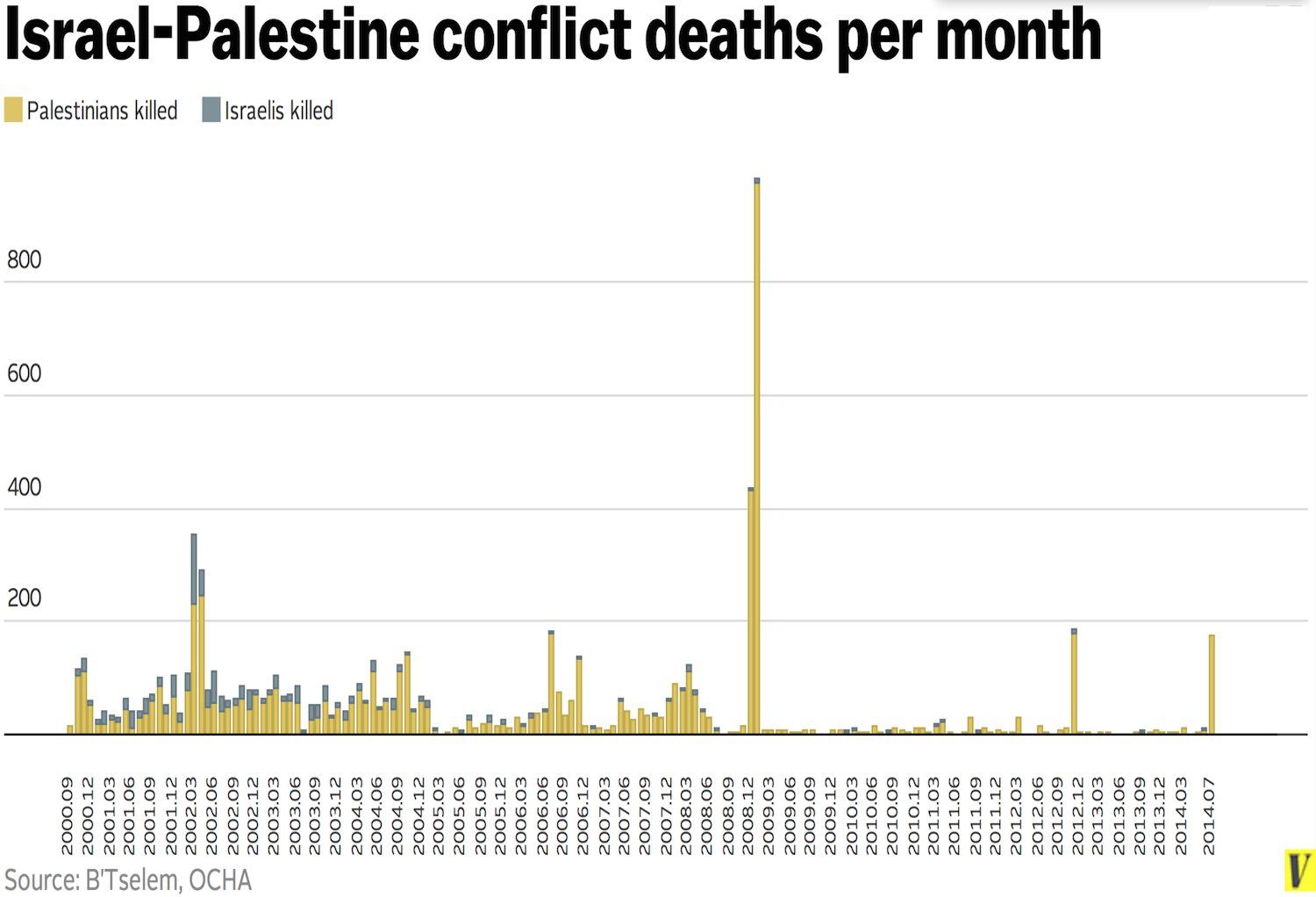
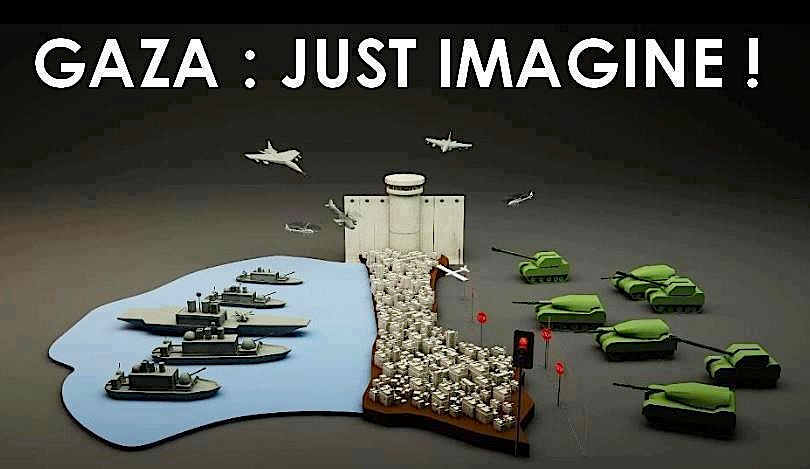
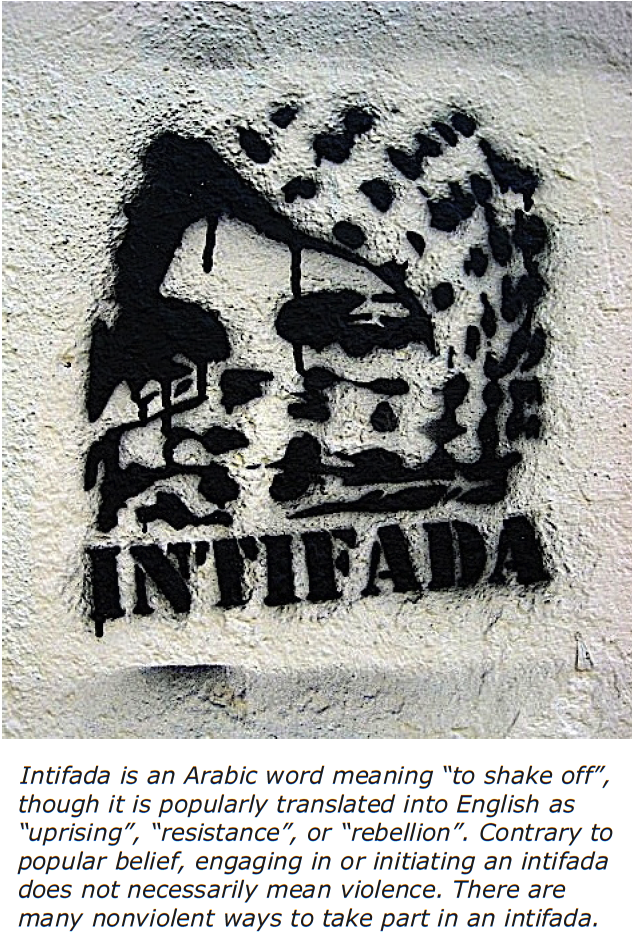
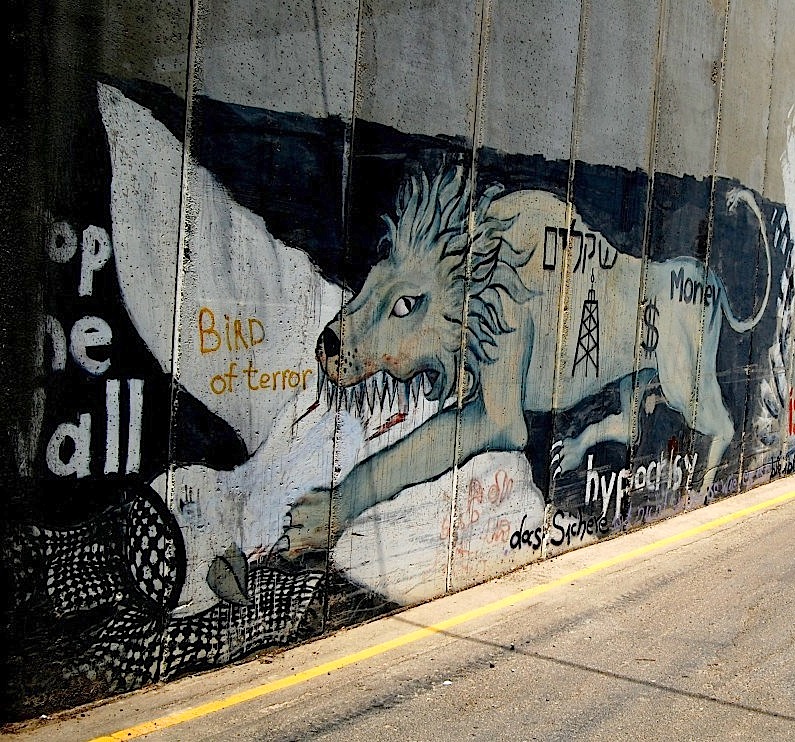


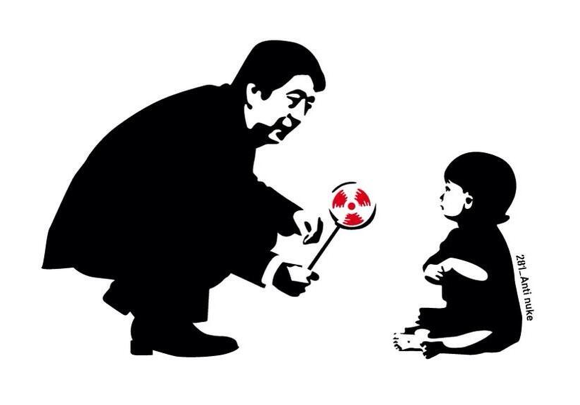

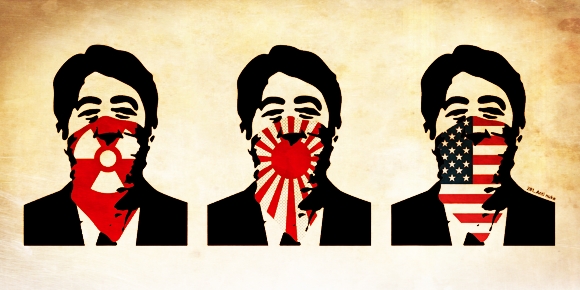
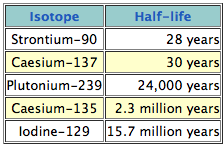






 Collapse of Industrial Civilization